The gut-brain connection is changing how scientists understand mental and physical health. Many people think of the digestive system as something completely separate from emotions and cognitive function. However, modern research shows that the gut and brain are deeply connected through constant communication between the digestive tract, nervous system, hormones, and immune responses.
The gut-brain connection affects far more than digestion. It may influence mood, stress levels, anxiety, focus, sleep quality, and emotional resilience. Some people notice that periods of stress trigger stomach discomfort. Others experience brain fog, fatigue, or mood swings after eating poorly for several days. These experiences are not simply coincidences.
Researchers continue to study how gut bacteria, inflammation, and diet influence mental well-being. While gut health is not the only factor behind anxiety or depression, growing evidence suggests it plays an important role in emotional balance, stress regulation, and mental clarity.

What Is the Gut-Brain Connection?
The gut-brain connection refers to the communication network linking the digestive system and the brain. This relationship is often called the gut-brain axis.
The two systems communicate through several pathways:
- The vagus nerve
- Hormones
- Immune system signals
- Neurotransmitters
- Gut bacteria and their metabolites
One of the most fascinating discoveries surrounding the gut-brain connection is that gut bacteria influence the production of neurotransmitters associated with mood regulation. According to Harvard Medical School, about 95% of serotonin is produced in the gastrointestinal tract rather than the brain. Serotonin plays an important role in emotional stability, sleep quality, appetite, and overall mood.
Scientists have also found that the gut microbiome influences inflammation throughout the body. Chronic inflammation has been associated with anxiety, depression, and cognitive decline.
Why Gut Health May Affect Mental Well-Being
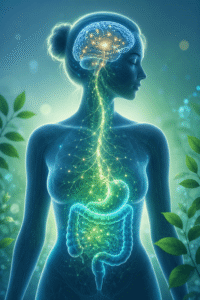 The human gut contains trillions of microorganisms. Together, they form the gut microbiome. A healthy microbiome contains a diverse balance of beneficial bacteria that help support digestion, immune function, and communication with the nervous system.
When the microbiome becomes imbalanced, the body may react in several ways:
- Increased inflammation
- Digestive discomfort
- Sleep disturbances
- Changes in appetite
- Difficulty concentrating
- Increased stress sensitivity
Research published through the National Institutes of Health suggests that disruptions in gut microbiota may contribute to symptoms associated with anxiety and depression. Scientists studying the gut-brain axis are also exploring whether specific probiotic strains, dietary interventions, and microbiome-targeted therapies could eventually support traditional mental health treatments.
Although this field is still developing, many researchers believe the gut-brain connection deserves serious attention.
The Role of Stress in the Gut-Brain Axis
Stress does not only affect the mind. It can also affect the digestive system directly.
During stressful periods, many people experience symptoms such as:
- Nausea
- Bloating
- Loss of appetite
- Acid reflux
- Stomach pain
- Changes in bowel movements
This happens partly because stress hormones influence digestion and gut bacteria.
Chronic stress may weaken the intestinal barrier and contribute to inflammation. Some researchers refer to this as “leaky gut,” although the medical community still debates the term and its broader implications.
Interestingly, the relationship works both ways. Poor gut health may also increase emotional distress. This creates a cycle where stress harms the gut, and gut imbalance worsens stress responses.
Many people describe this experience online. In discussions on Reddit wellness forums and digestive health communities, users frequently mention that improving their diet helped reduce anxiety symptoms or improve mental clarity. Others describe how chronic digestive problems made them feel emotionally exhausted or socially withdrawn.
Of course, personal stories are not scientific proof. However, they often reflect patterns researchers are beginning to investigate more seriously.
Brain Fog and the Gut-Brain Connection
One symptom commonly discussed in gut health communities is brain fog.
Brain fog is not a formal medical diagnosis. It usually refers to symptoms such as:
- Poor concentration
- Mental fatigue
- Forgetfulness
- Slower thinking
- Reduced motivation
Some studies suggest inflammation and microbiome imbalance may contribute to these symptoms.
For example, researchers studying the gut-brain connection have explored how inflammatory compounds produced in the gut may influence cognitive function. While scientists still need more evidence, many experts believe gut health may influence mental clarity more than previously assumed.
People who improve their nutrition sometimes report feeling mentally sharper within weeks. This may be partly related to blood sugar stability, improved sleep, reduced inflammation, or healthier gut bacteria.
Foods That Support the Gut-Brain Connection
Diet plays a major role in gut health. Certain foods help beneficial bacteria thrive, while highly processed diets may negatively affect microbial diversity.
Fiber-Rich Foods
Fiber acts as fuel for beneficial gut bacteria. Diets rich in vegetables, fruits, legumes, oats, and whole grains are often associated with better gut diversity.
Research suggests that fiber-rich and plant-based dietary patterns may support cognitive function, emotional balance, and gut microbiome diversity.
Examples of gut-friendly fiber sources include:
- Lentils
- Chickpeas
- Broccoli
- Apples
- Oats
- Flaxseeds
Fermented Foods
Fermented foods contain beneficial bacteria that may help support the microbiome.
Popular examples include:
- Yogurt
- Kefir
- Sauerkraut
- Kimchi
- Miso
Some people notice digestive improvements after adding fermented foods gradually into their diet. However, tolerance varies from person to person.

Omega-3 Fatty Acids
Omega-3 fats may help reduce inflammation and support brain function.
Foods rich in omega-3s include:
- Salmon
- Sardines
- Chia seeds
- Walnuts
- Flaxseed oil
Johns Hopkins Medicine highlights that anti-inflammatory dietary patterns rich in fiber, omega-3 fatty acids, and plant-based foods may help reduce chronic inflammation and support overall health.
Polyphenol-Rich Foods
Polyphenols are plant compounds that beneficial gut bacteria can use.
Good sources include:
- Berries
- Green tea
- Dark chocolate
- Olive oil
- Pomegranates
These foods are commonly included in Mediterranean-style diets, which are often associated with lower depression risk.
Habits That May Harm Gut Health
Certain lifestyle habits may negatively influence the microbiome over time.
These include:
- Chronic sleep deprivation
- High stress levels
- Excessive alcohol consumption
- Smoking
- Highly processed diets
- Frequent unnecessary antibiotic use
Sleep is especially important. Some studies suggest that poor sleep quality can alter gut bacteria composition within a relatively short time.
Many people underestimate how strongly daily habits affect both digestion and mental well-being.
Can Probiotics Improve Mental Health?
Scientists are currently studying “psychobiotics,” a term used to describe probiotics that may influence mental health.
Some small studies suggest certain probiotic strains may help reduce stress or anxiety symptoms. However, results remain mixed, and probiotics are not a replacement for professional mental health care.
The microbiome is extremely complex. A probiotic that works for one person may not work for another.
Experts generally recommend focusing first on overall dietary patterns, sleep quality, stress management, and lifestyle habits before relying heavily on supplements.

A More Holistic View of Mental Wellness
The gut-brain connection reminds us that mental health is not only psychological. Physical health, nutrition, sleep, movement, and inflammation may all influence emotional well-being.
This does not mean every mental health struggle begins in the gut. Anxiety and depression are complex conditions influenced by genetics, trauma, environment, hormones, stress, and many other factors.
Still, caring for gut health may support overall resilience.
Simple lifestyle changes sometimes make a noticeable difference:
- Eating more whole foods
- Reducing ultra-processed foods
- Managing stress
- Improving sleep habits
- Staying physically active
- Drinking enough water
For many people, these habits support both digestive comfort and emotional stability.
Conclusion
The gut-brain connection is one of the most fascinating areas of modern health research. Scientists continue to discover how closely the digestive system and nervous system interact.
A healthy gut may help support mood, stress regulation, cognitive clarity, and emotional balance. Meanwhile, chronic stress and poor lifestyle habits may negatively affect the microbiome and overall well-being.
Although research is still evolving, the evidence surrounding the gut-brain connection continues to grow. Paying attention to gut health may become an important part of a more holistic approach to mental wellness.
How Caffeine and Sugar Influence Anxiety Levels
Building Healthy Boundaries in Relationships: The Key to Mutual Respect and Emotional Well-Being

I’m Victoria, the creator behind Eva My Balance. Passionate about beauty, wellness, sustainable living, and mindful self-care. My mission is to inspire you to live consciously and beautifully—inside and out.