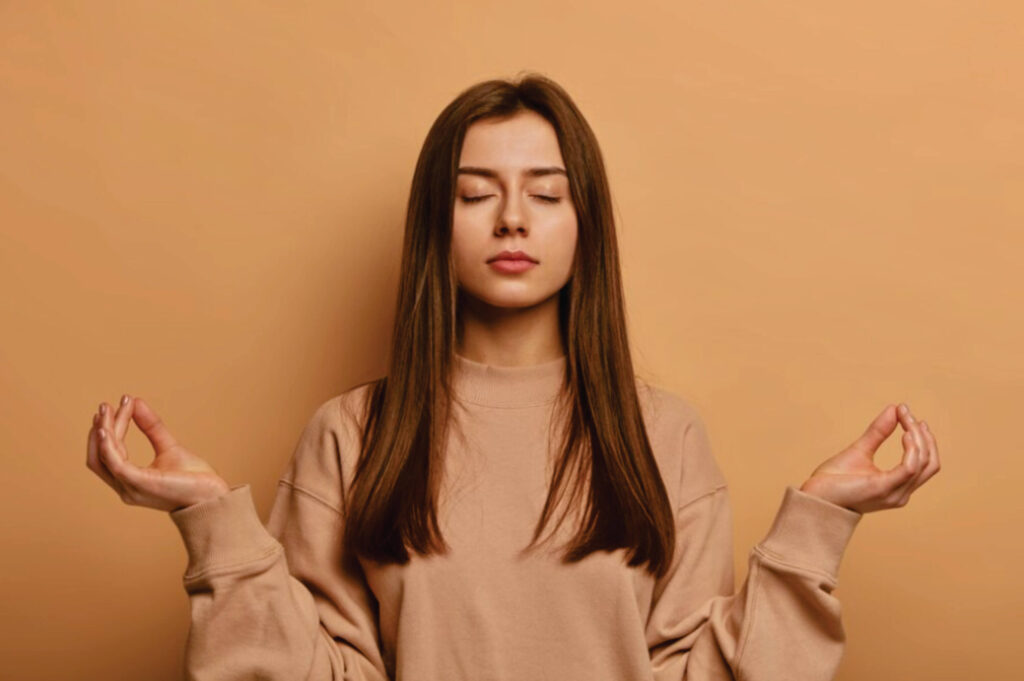
Yoga at home is one of the most practical ways to improve your physical and mental well-being without changing your daily routine. You do not need a studio, expensive equipment, or long sessions. In fact, many people discover that practicing at home helps them stay more consistent than attending in-person classes.
At some point, I realized that the biggest barrier to yoga was not motivation, but logistics. Commuting to a studio, adjusting to fixed schedules, and feeling slightly out of place in group classes made it harder to stay committed. When I switched to practicing yoga at home, everything became simpler. The pressure disappeared, and the practice started to feel natural rather than forced.
This shift is more common than it seems. A growing number of people are choosing home yoga because it fits better into real life. And when done correctly, it can be just as effective as studio sessions.

Why Yoga at Home Works Better Than You Think
One of the biggest misconceptions is that yoga requires a dedicated space, long sessions, or a teacher present in the room. In reality, consistency matters far more than perfection.
Practicing at home removes friction. You do not have to plan your day around a class or spend time getting ready to go out. Even a short session becomes accessible. Over time, this convenience turns into a habit.
There is also a psychological aspect. At home, you are not comparing yourself to others. You are not worrying about how you look in a pose or whether you are keeping up with the group. This creates a more relaxed environment, which is especially important for beginners.
Research supports these benefits. According to Harvard Health Publishing, regular yoga practice improves flexibility, reduces stress, and supports emotional balance. These effects do not depend on where you practice, but rather on how consistently you show up.
Another advantage is the ability to adjust your practice based on how you feel. Some days require a slow, restorative flow. Others call for something more dynamic. At home, you have the freedom to respond to your body instead of following a fixed structure.
The Real Benefits You Will Notice Over Time
The results of yoga at home do not appear overnight, but they build steadily. After a few weeks, the changes become noticeable in subtle but meaningful ways.

Physically, your body becomes more flexible and stable. Simple movements feel easier. You may notice improved posture, especially if you spend long hours sitting. Your core becomes stronger, and your balance improves without you actively focusing on it.
Mentally, the benefits are often even more significant. Yoga creates space between you and daily stress. It teaches you to slow down, breathe, and observe your thoughts without reacting immediately. Over time, this carries into everyday life.
Studies from Mayo Clinic show that yoga can reduce anxiety, improve sleep quality, and support overall well-being. These are not dramatic overnight transformations, but gradual shifts that make a real difference.
There is also a sense of independence that comes with a home practice. You are not relying on a schedule, a location, or external motivation. This makes the habit more устойчивым and easier to maintain long term.
A Simple Yoga at Home Routine That Actually Works
When starting yoga at home, it is tempting to do too much too soon. Many beginners try long sessions or complex poses, which often leads to frustration. A better approach is to keep things simple and repeatable.
A short, balanced routine can be more effective than an occasional long session. You can begin with just 10 to 15 minutes and gradually build from there.
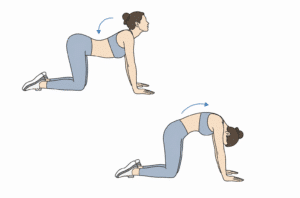
Start in a comfortable position and take a few slow breaths. This helps you transition from a busy state into a more focused one. From there, gentle movements such as Cat–Cow help warm up the spine and bring awareness to your body.
As your body loosens, you can move into a pose like Downward Dog. It stretches the legs and activates the upper body at the same time. It may feel challenging at first, but it becomes easier with practice.
Standing poses like Warrior I help build strength and stability. They also improve balance and coordination. It is important not to rush through them. Holding each position for a few breaths allows your body to adapt.
Toward the end of the session, slower movements such as a seated forward fold help release tension. Finishing with a few minutes of quiet breathing or simple meditation helps your mind settle.
This type of routine is enough to build a strong foundation. It does not require perfection, only consistency.
How to Make Yoga at Home a Real Habit
Starting is not the hardest part. Staying consistent is where most people struggle. The key is to make yoga feel like a natural part of your day rather than an obligation.
One of the most effective strategies is to connect your practice to an existing routine. For example, practicing right after waking up or before going to bed makes it easier to remember. You do not have to rely on motivation each time.
Another important factor is keeping your expectations realistic. Not every session will feel productive. Some days will feel easier than others. What matters is showing up, even for a short time.
Creating a small, dedicated space can also help. It does not have to be perfect. A quiet corner with a mat is enough. Over time, your mind begins to associate that space with calm and focus.
It is also helpful to pay attention to how you feel after each session. Even a brief practice often leaves you feeling more relaxed and clear. Noticing this reinforces the habit.
Common Challenges and How to Handle Them
It is normal to face obstacles when building a home yoga routine. The most common issue is inconsistency. Life gets busy, and it is easy to skip a session. When this happens, it is important not to see it as failure. Simply return to your practice the next day.
Another challenge is doubt. Without a teacher present, you may wonder if you are doing poses correctly. This is where guided videos can be helpful, especially in the beginning. They provide structure and reassurance.
Some people also struggle with motivation. Practicing alone requires a different kind of discipline. Instead of waiting to feel motivated, it is more effective to rely on routine. When yoga becomes part of your schedule, it requires less mental effort.
There is also a tendency to compare progress to others, especially when watching online classes. It is important to remember that yoga is not about performance. It is about awareness and gradual improvement.
Using Online Classes Without Losing Flexibility
Online yoga platforms can be a useful addition to your home practice, especially if you prefer guidance. They provide variety, structure, and a sense of direction, which can be helpful when you are just starting.
One example is Bulldog Yoga, which offers a more energetic and modern approach to yoga. The classes are designed to feel engaging rather than strict, which can make it easier to stay motivated.
At the same time, it is important not to rely too heavily on any single platform. The goal of yoga at home is to build independence. Online classes should support your practice, not replace your ability to move freely and listen to your body.
Is Yoga at Home Enough on Its Own
A common question is whether yoga at home can fully replace studio classes. For many people, the answer is yes.
Home practice offers flexibility, comfort, and lower cost. It allows you to build a routine that fits your life instead of adapting to external schedules. Over time, this often leads to better consistency, which is the most important factor in seeing results.
That said, some people still enjoy occasional studio classes for the sense of community or professional guidance. The two approaches can complement each other rather than compete.
What matters most is not where you practice, but how regularly you do it.
Final Thoughts
Yoga at home is not about creating perfect conditions. It is about making small, consistent choices that support your well-being.
You do not need long sessions or advanced poses to see results. A short daily practice can improve your strength, flexibility, and mental clarity over time. More importantly, it helps you build a relationship with your body that feels natural and sustainable.
The hardest part is often the beginning. Once the habit forms, everything else becomes easier. Your practice adapts to your life, not the other way around.
Your mat is already there. You only need to take the first step.
Peptides in Skincare: Unlocking Their Full Potential for Radiant, Youthful Skin
Minimalism and Sustainability: How Reducing Excess Enhances Life Quality
Upgrade Your Mind: 23 Media Platforms for Smarter Living

I’m Victoria, the creator behind Eva My Balance. Passionate about beauty, wellness, sustainable living, and mindful self-care. My mission is to inspire you to live consciously and beautifully—inside and out.