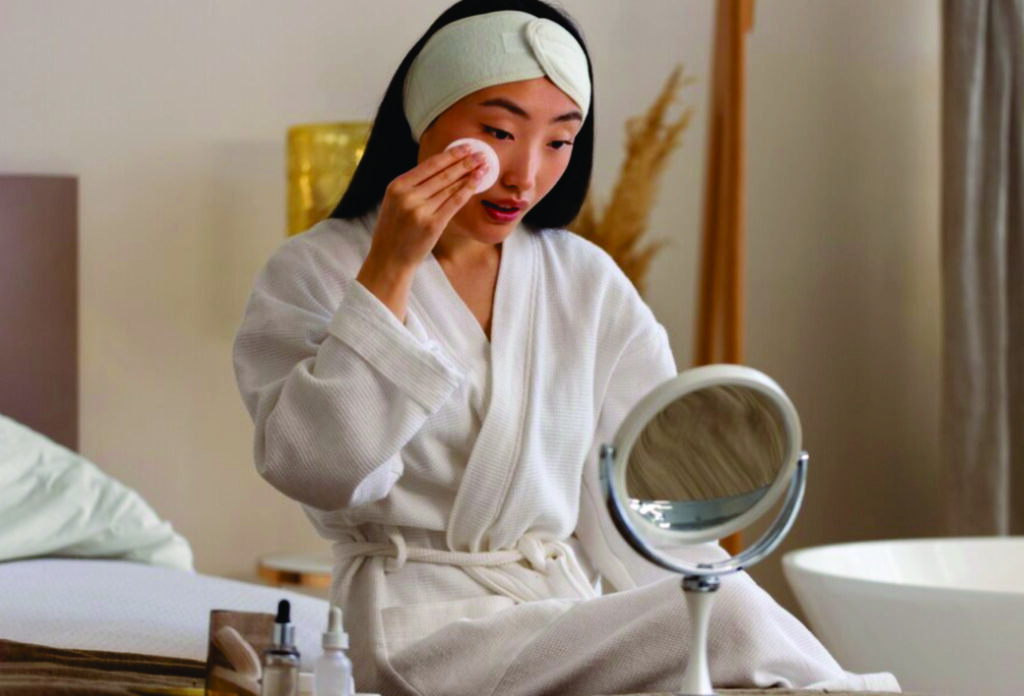
The skincare industry is built on promises. Clear skin, fewer wrinkles, instant glow. Every product seems to offer a transformation. But behind many of these claims are common skincare myths that do more harm than good.
These myths are repeated in advertising, social media, and even everyday conversations. Over time, they start to feel like facts. As a result, many people follow routines that are too aggressive, too complicated, or simply ineffective.
The truth is simpler. Healthy skin does not require dozens of products or constant experimentation. It requires understanding what actually works.

Myth 1: More Products Mean Better Skin
Modern skincare routines often include multiple steps, such as cleansers, toners, serums, and oils. It is easy to think that adding more products will lead to better results.
Why people believe it:
This idea comes from the feeling that a detailed routine offers more control. Each product promises a specific benefit, which makes the process seem more precise and personalized.
What actually happens:
In reality, using too many products at once can overwhelm the skin. Dermatologists warn that excessive layering can disrupt the skin barrier and increase irritation. Active ingredients may not work well together, and combining multiple formulas often raises the risk of clogged pores and breakouts.
At the same time, over-cleansing and frequent exfoliation can weaken the skin barrier. When this protective layer is compromised, the skin becomes more sensitive and loses moisture more easily.
What to do instead:
A simpler approach is usually more effective. A balanced routine includes a gentle cleanser and a suitable moisturizer. Use sunscreen daily. Add one targeted treatment if needed.
This routine is easier to maintain. It helps the skin function properly without unnecessary stress. It also supports stable, long-term results.
Myth 2: Collagen Creams Restore Skin Firmness
Collagen is closely associated with youthful, firm skin, which is why many skincare products claim to “replace” lost collagen and restore elasticity. At first glance, this idea seems convincing and easy to accept. 
Why people believe it:
As collagen naturally decreases with age, it feels logical to assume that applying it directly to the skin would help restore what has been lost.
What science shows:
In reality, collagen molecules are too large to penetrate the skin barrier. This is explained by the well-known “500 Dalton rule,” which states that substances above a certain molecular size cannot pass through the outer layer of the skin (Bos & Meinardi, 2000).
Collagen stays on the skin surface instead of reaching deeper layers. It provides hydration and a temporary smoothing effect. However, it does not rebuild the skin structure or improve firmness long term.
What to do instead:
A more effective approach is to support the skin’s natural collagen production. Ingredients such as retinoids, vitamin C, and certain peptides are known to stimulate this process over time.
At the same time, lifestyle factors play an important role. Adequate nutrition, especially enough protein and vitamin C, supports collagen production from within.
Myth 3: Expensive Products Work Better
Luxury skincare often feels more effective, especially when it comes in elegant packaging and strong branding. These details can create the impression that a higher price guarantees better results.
Why people believe it:
Many people associate price with quality and assume that expensive products must deliver better or faster results.
What actually matters:
In reality, the effectiveness of a skincare product depends on its formulation and active ingredients, not on its price. Research shows that ingredients such as ceramides play a key role in maintaining the skin barrier and reducing water loss (Coderch et al., 2003), which is essential for healthy skin.
For example, hyaluronic acid hydrates regardless of price. Niacinamide improves skin texture in both drugstore and luxury products. Ceramides support the skin barrier at any price point.
What to do instead:
A more reliable approach is to focus on the ingredient list rather than branding. Choose products based on their active components, appropriate concentrations, and suitability for your skin type.
This approach is more consistent and often leads to better results than relying on price alone.
Myth 4: Natural Ingredients Are Always Better
Natural skincare is often presented as safer and healthier, which makes it especially appealing to many people.
Why people believe it:
The word “natural” is strongly associated with purity, gentleness, and fewer risks, so it feels like a safer choice for the skin.
What science says:
In reality, natural ingredients can still irritate the skin. Studies show that essential oils are a common cause of allergic contact dermatitis, with dozens of oils linked to skin reactions (de Groot & Schmidt, 2016). Some of them are also phototoxic and can damage the skin when exposed to sunlight.
At the same time, cosmetic ingredients are evaluated through structured safety assessment programs such as the Cosmetic Ingredient Review (Boyer et al., 2017).
What to do instead:
It is better not to judge a product based only on whether it is natural or synthetic. Instead, focus on how your skin responds to it. Introduce new products gradually and always perform a patch test before regular use.
Myth 5: Pores Open and Close
Many skincare products claim that they can “open” pores or make them visibly smaller within minutes. These promises sound convincing and are widely repeated in beauty routines.
Why people believe it:
Warm water and steam make the skin feel softer and more relaxed, while cold water creates a temporary tightening sensation. Because of this, it is easy to assume that pores physically open and close.
What actually happens:
In reality, pores do not have the ability to open or close. Their size is largely determined by genetics and skin type. However, they can appear larger when filled with oil, dirt, and dead skin cells.
Clinical studies show that salicylic acid helps exfoliate the skin and clear clogged pores, improving skin texture and making pores appear less visible (Arif, 2015).
What to do instead:
Instead of trying to change pore size, focus on keeping them clean and balanced. Ingredients like salicylic acid can help remove excess oil, while gentle exfoliation supports regular cell turnover. It is also important to avoid heavy products that may clog pores.
When pores are clean, they appear smaller and less visible, even though their actual size remains the same.

Myth 6: Every Skin Concern Needs a Separate Product
It is easy to think that every skin concern needs its own product. One for acne, another for redness, and another for pigmentation. This quickly turns a simple routine into a long and confusing one.
Why people believe it:
Marketing promotes targeted solutions for every issue and encourages using multiple products at once.
What actually works:
In reality, many ingredients are multi-functional and can address several concerns at the same time. Clinical research shows that retinoids can improve skin texture and stimulate collagen production, which supports smoother and more even-looking skin (Kafi et al., 2007).
Niacinamide helps reduce redness, control oil, and improve the look of pores. Retinoids support smoother skin and help even out skin tone. Azelaic acid reduces inflammation and brightens the skin.
Using too many products at once increases the risk of irritation and makes the routine harder to follow.
What to do instead:
Choose a few well-formulated products that address multiple concerns. This keeps your routine simple and more consistent, which often leads to better results over time.
Myth 7: Tingling Means the Product Is Working
A tingling or burning sensation is often seen as a sign that a product is working.
Why people believe it:
Strong sensations make the product feel more “active” and effective.
What actually happens:
In reality, tingling usually indicates irritation. In more severe cases, it may signal damage to the skin barrier.
One common cause is the overuse of exfoliating acids. Many people follow trends and apply strong formulas too often, which can make the skin more sensitive over time.
What to do instead:
Your skincare routine should feel comfortable.
If a product causes burning, stinging, or redness, it is best to stop using it and switch to a gentler alternative.
Why Skincare Myths Are So Persistent
Common skincare myths continue to spread for a reason. They are simple, appealing, and easy to market.
The beauty industry often uses:
- scientific-sounding language
- before-and-after imagery
- influencer recommendations
These create trust, even when the claims are exaggerated.
Social media also plays a role. Viral trends can make extreme routines seem normal. Over time, these habits become widely accepted, even without evidence.
Understanding this helps you make more informed decisions.
How to Evaluate Skincare Products More Critically

Instead of relying on marketing, focus on evidence and transparency.
When choosing a product:
- check the ingredient list
- avoid vague claims like “detox” or “miracle”
- look for clinically supported ingredients
Reliable ingredients include:
- sunscreen
- retinoids
- vitamin C
- niacinamide
- ceramides
These have been studied extensively and consistently show results.
A Simple Skincare Routine That Works
You do not need a complicated routine to see improvement.
A simple structure is often the most effective.
Morning:
- gentle cleanser
- moisturizer
- sunscreen
Evening:
- cleanser
- moisturizer
- one active ingredient
Introduce new products slowly. Give your skin time to adapt. Most ingredients need several weeks to show visible results.
The Truth About Common Skincare Myths
Many common skincare myths are not just harmless misunderstandings. They can lead to irritation, wasted money, and long-term skin damage.
More products do not guarantee better results. Expensive products are not automatically more effective. Natural ingredients are not always safer.
When you focus on evidence instead of trends, skincare becomes simpler and more effective.
A consistent, balanced routine will always outperform a complicated one built on myths.
Understanding this allows you to take control of your skincare choices — and achieve healthier, more stable results over time.
Why Natural Ingredients Work Better for Skincare

I’m Victoria, the creator behind Eva My Balance. Passionate about beauty, wellness, sustainable living, and mindful self-care. My mission is to inspire you to live consciously and beautifully—inside and out.