Finding the best shampoo and conditioner can completely change how your hair looks and feels. Many people choose products based on trends or scent. This often leads to disappointment. Hair becomes dry, greasy, or difficult to manage.
In reality, the right choice depends on your hair type. When products match your needs, they support both the scalp and the hair. Over time, this leads to stronger, shinier, and healthier strands.

Understanding Your Hair Beyond the Surface
Hair may look simple, but it behaves in complex ways. Two people can have similar hair yet need different routines. The difference often comes from scalp condition, porosity, and sensitivity.
A common mistake is treating hair as one uniform structure. In fact, the scalp and lengths often need different care. Oily roots and dry ends are very common. Ignoring this leads to poor results.
A simple test can help: wash your hair and avoid styling products. Let it dry naturally, observe how it behaves. This gives more insight than any label.
What Your Hair Type Really Needs
Fine hair tends to lose volume quickly and often becomes oily sooner than other types. Because of this, heavy formulas can weigh it down and make it look flat within hours. Thick hair behaves differently. It usually handles richer textures well, but it often struggles with dryness at the ends and is more prone to frizz, especially in humid conditions.
Curly and wavy hair require consistent moisture. Their structure prevents natural oils from spreading evenly along the strand, so dryness and frizz appear more easily. Many people with textured hair also experience scalp sensitivity.
According to Healthline, the American Academy of Dermatology recommends sulfate-free shampoos for people with sensitive skin, eczema, or contact dermatitis. Harsh detergents may irritate the scalp and worsen these conditions.
Straight hair typically looks smooth and shiny, but oil travels quickly from the scalp. This can make it appear greasy by the end of the day. Dry hair lacks moisture and often feels rough or brittle. Oily hair produces excess sebum and needs balance rather than aggressive cleansing. Damaged hair, especially after coloring or heat styling, requires repair and protection to restore its strength and resilience.
Best Shampoo and Conditioner for Each Hair Type 
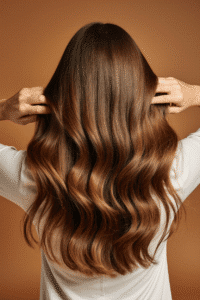
Choosing the right products becomes much easier when you understand what your hair actually needs. The best shampoo and conditioner are not universal — they depend on your hair type, texture, and scalp condition.
Fine Hair
For fine hair, the goal is volume without heaviness. The best shampoo and conditioner for fine hair should feel lightweight and refreshing. Formulas with biotin, panthenol, and proteins help strengthen strands while maintaining movement. Heavy oils and thick creams often flatten the hair, so they are better avoided.
Thick Hair
For thick hair, hydration and control are key. The best shampoo and conditioner for thick hair should provide deep moisture and help reduce frizz. Ingredients like shea butter, argan oil, and coconut oil work well because they smooth the hair and improve manageability without compromising shine.
Curly or Wavy Hair
For curly or wavy hair, moisture retention is essential. The best shampoo and conditioner for textured hair should focus on hydration and softness. Ingredients such as glycerin, aloe vera, and natural oils help maintain the curl pattern and prevent dryness. Gentle, sulfate-free formulas are especially important, as they protect both the curls and the scalp.
Straight Hair
For straight hair, balance is the priority. The best shampoo and conditioner should cleanse effectively without making the hair greasy or heavy. Lightweight formulas with ingredients like green tea or tea tree oil can help regulate oil production while keeping the hair smooth and fresh.
Dry Hair
For dry hair, nourishment is the main focus. The best shampoo and conditioner for dry hair should restore moisture and improve softness. Ingredients such as avocado oil, honey, and keratin help repair the hair structure and reduce brittleness over time.
Oily Hair
For oily hair, the goal is control without over-drying. The best shampoo and conditioner should help regulate sebum while keeping the scalp comfortable. Clarifying ingredients like clay, charcoal, or botanical extracts can refresh the scalp without disrupting its natural balance.
Damaged or Color-Treated Hair
For damaged or color-treated hair, repair and protection are essential. The best shampoo and conditioner in this case should strengthen the hair and help preserve color. Ingredients like collagen, silk proteins, and UV filters support recovery and reduce further damage.
Understanding these differences allows you to move away from random choices. Instead, you build a routine that supports your hair consistently and effectively.
Why Shampoo Matters More Than You Think
Shampoo is more than just a cleansing step. It plays a direct role in scalp health, which in turn affects how your hair looks and grows. When the scalp is balanced, hair tends to be stronger, smoother, and easier to manage.
However, not all formulas work the same way. Some shampoos can affect the scalp microbiome and its natural balance. Research in the Journal of Clinical and Aesthetic Dermatology shows that certain surfactants, such as sodium lauryl sulfate, may alter microbial diversity and weaken the scalp barrier. Gentler formulations, in contrast, help maintain hydration and support overall stability.
This is why switching to a milder shampoo often leads to noticeable improvements. The scalp becomes less irritated, and oil production gradually stabilizes, creating a healthier environment for hair over time.
Choosing the best shampoo and conditioner starts with this understanding. Shampoo should cleanse effectively without stripping essential oils, while conditioner should restore moisture and protect the hair structure.
How Ingredients Shape Results
Ingredients matter more than marketing claims. Understanding how they work helps you make more informed choices. Instead of relying on labels, it is better to focus on what each ingredient actually does for your hair.
Lightweight ingredients are ideal for fine hair because they add support without weighing it down. Panthenol and proteins, for example, can improve volume and strengthen strands while keeping the hair flexible. In contrast, thicker hair benefits from richer formulas, where oils and butters help control dryness, smooth the texture, and improve manageability.
Curly hair requires consistent hydration. Ingredients like aloe and glycerin are especially valuable because they help retain moisture within the strand. Oily hair, on the other hand, responds better to balancing ingredients such as clay or charcoal. These help absorb excess oil without completely stripping the scalp.
Dry and damaged hair need additional support to restore strength and resilience. Ingredients like keratin and natural oils help reinforce the hair structure and reduce brittleness over time. Biotin is also commonly used to support healthier-looking hair, as noted by Harvard T.H. Chan School of Public Health.
The Role of Conditioner in Hair Health
Conditioner plays an essential role in protecting the hair and maintaining its overall condition. It works by smoothing the cuticle and reducing friction between strands, which helps prevent breakage and makes the hair easier to manage.
Research published in the International Journal of Trichology suggests that conditioners improve combability and help protect the hair surface from damage, especially when used regularly.
However, the way you apply conditioner is just as important as the product itself. It should not be applied to the scalp, as this can cause buildup and make the hair look flat or greasy. Instead, it works best when applied from mid-lengths to ends, where the hair needs the most moisture and protection.
A simple rule often used by professionals captures this well: shampoo is for the scalp, while conditioner is for the hair.

A More Sustainable Approach to Haircare
Many people are now looking for more eco-friendly ways to care for their hair. That’s why solid shampoo bars have become an increasingly popular option. They help reduce plastic waste and often contain fewer harsh ingredients, making them appealing both for sustainability and simplicity.
These formulas can also be gentler on the scalp. According to Healthline, sulfate-free products are often recommended for sensitive skin because harsh surfactants may cause irritation and strip away natural oils.
While solid shampoos may not suit every hair type, they are worth exploring as part of a more thoughtful and sustainable routine.
Mistakes That Undermine Good Products
The Ultimate Hair Ingredient Guide: Oils, Proteins, and Extracts That Actually Work
Ayurvedic Hair Care: Identify Your Hair Type and Find the Perfect Ritual

I’m Victoria, the creator behind Eva My Balance. Passionate about beauty, wellness, sustainable living, and mindful self-care. My mission is to inspire you to live consciously and beautifully—inside and out.