Fashion is changing rapidly as more people begin to question how clothing is produced and how it affects the planet. Today, many consumers are searching for sustainable vegan fashion choices that allow them to look stylish while supporting ethical and eco-friendly values. Instead of relying on materials like leather, fur, silk, and wool, modern fashion brands are creating innovative alternatives that reduce environmental harm and avoid animal cruelty. Vegan fashion is no longer a niche trend. It has become an important movement that combines creativity, sustainability, and conscious living.
In recent years, concerns about pollution, waste, and unethical production practices have pushed the fashion industry toward more responsible solutions. According to the United Nations Environment Programme, the textile industry is one of the world’s largest contributors to pollution and waste. Many traditional materials also require large amounts of water, chemicals, and energy during production. As a result, consumers are increasingly exploring cruelty-free and environmentally friendly alternatives.

What Is Vegan Fashion?
Vegan fashion refers to clothing, shoes, accessories, and beauty products made without animal-derived materials. This means avoiding fabrics and components such as:
- Leather
- Fur
- Silk
- Wool
- Feathers
- Exotic skins
Instead, brands use plant-based, recycled, or laboratory-developed materials that imitate the texture and durability of traditional fabrics. Vegan fashion focuses not only on animal welfare but also on sustainability and ethical manufacturing practices.
Many people assume vegan fashion only includes simple or minimalist clothing. However, modern vegan fashion offers luxury handbags, elegant shoes, sophisticated outerwear, and high-quality accessories that rival traditional products in both appearance and durability.
Why Vegan Fashion Is Becoming More Popular
The popularity of vegan fashion has increased for several reasons. Consumers are becoming more aware of the environmental impact of fast fashion and animal agriculture. Social media has also helped expose harmful practices connected to the production of leather and fur. As a result, more people are exploring sustainable vegan fashion choices that reflect both their personal style and ethical values.
Environmental Concerns 
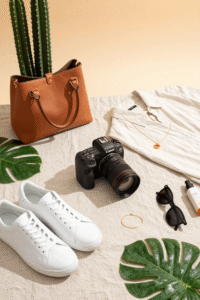
Traditional leather production involves intensive livestock farming and chemical tanning processes. These methods contribute to greenhouse gas emissions, water pollution, and deforestation. Fur farming creates additional environmental problems due to waste, chemical treatments, and poor animal welfare conditions.
Silk production may appear natural, but traditional silk manufacturing usually involves killing silkworms before they complete their life cycle. Wool production can also raise ethical concerns related to animal treatment and land degradation.
By comparison, many vegan materials use recycled resources or renewable plant-based fibers. Some options require less water and produce fewer emissions.
Ethical Awareness
Many consumers now want their purchases to align with their personal values. Vegan fashion allows people to support cruelty-free alternatives without sacrificing style. This shift has encouraged many major fashion brands to rethink their production methods.
Luxury designers and mainstream companies alike are investing in sustainable materials and transparent supply chains. As innovation grows, vegan products continue to improve in quality, comfort, and appearance.
Innovative Vegan Materials Replacing Animal Fabrics
One of the most exciting aspects of vegan fashion is the development of new materials. Designers are now experimenting with agricultural waste, mushrooms, and recycled textiles to create durable and attractive fabrics.
Plant-Based Leather Alternatives
Leather has traditionally been associated with luxury and durability. However, several vegan materials now provide similar qualities without using animal hides.
Piñatex
Piñatex is made from pineapple leaf fibers that are normally discarded after harvest. The material is lightweight, flexible, and partially biodegradable. It has become popular in handbags, shoes, and accessories.
Apple Leather
Apple leather uses leftover apple waste from the food industry. The material feels soft and smooth while reducing food waste. Many small sustainable brands now use apple leather for wallets and footwear.
Mushroom Leather
Mushroom leather, often called Mylo, is created from mycelium, the root structure of fungi. This innovative material grows quickly and requires fewer natural resources than traditional leather production.
Cactus Leather
Cactus leather is another eco-friendly option. It requires little water and can survive in harsh climates. The material is durable, breathable, and suitable for fashion accessories and jackets.
Ethical Alternatives to Fur
Fur has long been criticized for its impact on animals and the environment. Fortunately, many alternatives now provide warmth and texture without cruelty.
Recycled Faux Fur
Modern faux fur often uses recycled plastic bottles and textile waste. This approach helps reduce landfill waste while creating stylish outerwear and accessories.
Plant-Based Fur
Some brands now produce faux fur using hemp, organic cotton, or other plant fibers. These materials reduce dependence on synthetic plastics.
Bioengineered Fur
Technology companies are developing biofabricated fur that mimics real fur without harming animals. Although still relatively new, this innovation may transform the future of ethical fashion.
Sustainable Silk Alternatives
Silk is valued for its softness and elegance, but ethical concerns surrounding silkworm farming have encouraged the development of alternatives.
Peace Silk
Peace silk allows silkworms to complete their life cycle before the fibers are collected. This method is considered more humane than traditional silk production.
Bamboo Silk
Bamboo-based fabrics are soft, breathable, and lightweight. Many consumers appreciate bamboo textiles because they feel luxurious while remaining plant-based.
Cupro
Cupro is produced from cotton waste fibers. The material has a silky texture and is often used in dresses, blouses, and linings.

Are All Vegan Materials Sustainable?
Although vegan fashion is often more ethical, not every vegan product is automatically sustainable. Some faux leathers and synthetic fabrics are made from petroleum-based plastics that contribute to microplastic pollution.
This is why consumers should pay attention to the overall environmental impact of a product rather than focusing only on the “vegan” label. High-quality recycled materials and biodegradable fabrics are generally better choices than low-cost synthetic alternatives.
Understanding the difference between ethical fashion and truly sustainable production is important when making sustainable vegan fashion choices. Looking for transparency, recycled content, and responsible manufacturing practices can help consumers avoid greenwashing.
Popular Vegan Fashion Brands
Many brands now combine sustainability, innovation, and cruelty-free design. Some focus on luxury fashion, while others offer affordable everyday pieces.
Stella McCartney
One of the pioneers of luxury vegan fashion. The brand avoids leather and fur while investing in sustainable materials and circular fashion initiatives.
Matt & Nat
Known for stylish vegan handbags and backpacks made with recycled materials.
Veja
Produces eco-friendly sneakers using sustainable cotton, recycled plastic bottles, and ethical manufacturing processes.
Will’s Vegan Store
Offers vegan shoes, outerwear, and accessories certified carbon neutral.
Nanushka
Combines modern fashion design with cruelty-free materials and responsible production methods.
How to Build a Stylish Vegan Wardrobe
Creating a sustainable wardrobe does not require replacing everything at once. Small and thoughtful changes often have the greatest long-term impact.
Invest in Timeless Pieces
Fast fashion encourages constant consumption, but timeless clothing reduces waste and saves money over time. Neutral colors, classic silhouettes, and versatile accessories remain fashionable for years.
A high-quality vegan coat or durable pair of boots can replace several low-quality items.
Choose Sustainable Fabrics
Organic cotton, hemp, linen, and recycled textiles are generally better for the environment than conventional synthetic materials. Natural fibers are often more breathable and durable as well.
Support Ethical Brands
Researching brands before purchasing can help consumers support companies with transparent labor practices and sustainability goals. Many ethical brands openly share information about sourcing, factories, and environmental initiatives.
Buy Second-Hand Fashion
Vintage shops and second-hand platforms help extend the life cycle of clothing. Buying pre-owned items reduces waste and lowers demand for new production.
Many people discover unique statement pieces through second-hand shopping while spending less money.
Take Better Care of Clothing
Simple habits can significantly extend the lifespan of garments:
- Wash clothes in cold water
- Air dry when possible
- Repair damaged items instead of replacing them
- Store fabrics properly
- Avoid over-washing delicate materials
These habits reduce environmental impact while preserving clothing quality.
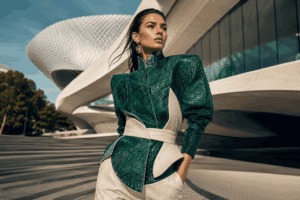
The Future of Vegan Fashion
The future of fashion will likely involve even more advanced sustainable materials and circular production systems. Scientists and designers are already experimenting with algae fabrics, biodegradable textiles, and lab-grown materials.
Artificial intelligence may also help reduce waste by improving supply chain efficiency and predicting consumer demand more accurately.
As technology advances, vegan materials will continue to become more durable, affordable, and environmentally friendly. Consumers are increasingly prioritizing ethics, sustainability, and transparency when choosing what to wear.
Final Thoughts
Fashion no longer has to come at the expense of animals or the environment. Today’s innovations make it easier than ever to create a stylish wardrobe using cruelty-free and eco-conscious materials. From mushroom leather to recycled faux fur, sustainable alternatives continue to transform the industry in exciting ways.
Making thoughtful purchasing decisions, supporting ethical brands, and investing in quality clothing can reduce waste and encourage positive change within the fashion world. As awareness continues to grow, more people are embracing sustainable vegan fashion choices as part of a modern and responsible lifestyle.
For additional information about ethical and sustainable fashion, visit Good On You and learn more about brand transparency, sustainability ratings, and eco-friendly fashion practices.
Snail Mucin in Skincare: Unlocking Its Full Potential for Healthy, Radiant Skin

I’m Victoria, the creator behind Eva My Balance. Passionate about beauty, wellness, sustainable living, and mindful self-care. My mission is to inspire you to live consciously and beautifully—inside and out.