Greenwashing in cosmetics has become increasingly common as demand for sustainable beauty continues to grow. More consumers want eco-friendly cosmetics, cruelty-free products, and ethical skincare, but many brands take advantage of this trend by making misleading environmental claims. Terms like «natural,» «clean,» and «green» often sound convincing, yet they may have little scientific or regulatory meaning.
Learning how to identify fake eco claims and recognize greenwashing beauty brands is one of the best ways to make informed purchasing decisions. Understanding ingredient transparency, packaging, and trusted cosmetic certifications helps consumers separate genuine sustainability from clever marketing.
This guide explains what greenwashing in cosmetics is, why it happens, the most common warning signs, which eco-certifications you can trust, and how to choose beauty products that genuinely support environmental responsibility.
What Is Greenwashing in Cosmetics?
Greenwashing in cosmetics occurs when brands exaggerate or falsify sustainability claims. They often use vague language instead of measurable facts. Words like “natural,” “clean,” or “eco” sound appealing. Yet these terms are rarely regulated.
According to an analysis by the European Commission, more than 50% of environmental claims made by companies in the EU were found to be vague, misleading, or unfounded. In addition, 40% of these claims lacked supporting evidence, highlighting the widespread nature of greenwashing across consumer industries, including cosmetics.
Some brands do invest in sustainability. Others only create the appearance of it. The challenge is telling them apart.
Why Greenwashing Is So Common in the Beauty Industry
The beauty industry depends heavily on image and emotion. Consumers often associate nature with safety and purity, and brands actively leverage this association in their marketing strategies. A study published in the Journal of Business Ethics found that green marketing cues and visual environmental signals can significantly enhance consumers’ perceived product quality and legitimacy, even when actual environmental benefits are limited (Szabo & Webster, 2021).
Natural colors, leaves, and “earthy” packaging influence buying decisions. Many shoppers do not check ingredient lists. Others assume claims are regulated. Unfortunately, this is not always the case.
The Most Common Greenwashing Tactics
1. Vague and Unverified Claims
Many products use undefined marketing terms. Examples include “green beauty,” “non-toxic,” or “plant-based.” These phrases lack legal definitions in many countries.
The U.S. Food and Drug Administration does not regulate the term “natural.” This allows brands to use it freely. A product may contain only one botanical extract and still claim to be natural.
On the r/SkincareAddiction forum, one user wrote:
“I bought a ‘clean beauty’ moisturizer. The first ingredient was water, then silicones and fragrance. Only the last ingredient was plant-based.”
Such experiences are common.
2. Eco-Looking but Unsustainable Packaging 
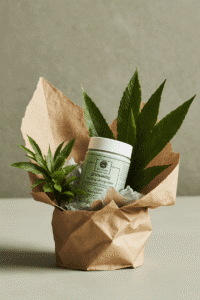
Visual design plays a major role in greenwashing. Many brands use kraft paper textures or leaf symbols. The packaging still contains mixed plastics or unrecyclable pumps.
A life cycle assessment in Resources, Conservation & Recycling Advances shows that prioritizing reusability can outperform dematerialisation focused “recyclable” designs, and that the benefits of recycling depend heavily on real-world collection systems and actual recycling rates (Gatt & Refalo, 2022).
Some materials look recyclable but are not accepted by local facilities. Pumps, mirrors, and metallic coatings create problems. True sustainability requires design transparency.
3. Fake or Misleading Certifications
Some brands invent their own “eco seals.” These symbols resemble official certifications. They often lack independent audits or standards.
Authentic certifications always come from third-party organizations. They publish clear criteria and conduct inspections. If a logo has no public standard, it should raise concern.
On the Ethical Consumer forum, a user shared:
“I searched a brand’s ‘Eco Pure’ logo online. Nothing existed. It was created by the company itself.”
This tactic misleads even informed shoppers.

4. Highlighting One Green Feature Only
This tactic is called selective disclosure. Brands emphasize one positive aspect while hiding others. A product may use recycled packaging. Yet it may still contain microplastics. Another brand may claim cruelty-free status. However, it may sell in regions requiring animal testing.
Research in Frontiers in Psychology suggests that sustainable marketing and CSR communication can enhance brand image, customer engagement, and trust, which in turn may increase sustainable purchase intentions.
| Possible Greenwashing | Genuine Sustainability |
|---|---|
| vague claims | measurable evidence |
| green packaging | verified certifications |
| company-made logo | independent certification |
| one highlighted eco feature | transparent sustainability strategy |
| no ingredient sourcing | complete ingredient transparency |
Which Eco-Certifications Can You Trust?
Not every logo on cosmetic packaging represents an independent certification. The following organizations use transparent standards and third-party verification, making them among the most reliable indicators of genuine sustainability.
1. USDA Organic
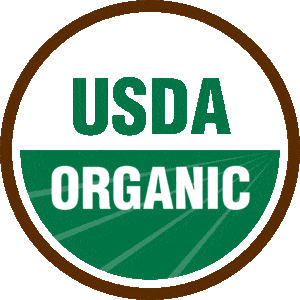
USDA Organic certification requires at least 95% organic ingredients. It excludes synthetic pesticides and fertilizers. This certification applies mostly to skincare. It is strict and well-regulated. Products must meet agricultural and processing standards.
2. ECOCERT
ECOCERT is one of the most recognized cosmetic certifiers. It requires natural sourcing and restricted processing methods. ECOCERT also evaluates packaging and waste management. Products must meet environmental and ethical criteria.
3. COSMOS Standard
The COSMOS standard unites several European certifiers. It sets strict rules for ingredient origin and biodegradability. COSMOS-certified products avoid GMOs and synthetic fragrances. They also promote sustainable farming practices.
4. Leaping Bunny
Leaping Bunny certification guarantees no animal testing. This applies to ingredients and finished products. The program requires regular supplier monitoring. It is stricter than simple cruelty-free claims.
5. Fair Trade Certified
Fair Trade Certified focuses on people and communities. It ensures fair wages and safe working conditions. Many cosmetic ingredients come from vulnerable regions. Ethical sourcing reduces exploitation and environmental damage.
6. NATRUE
NATRUE certifies natural and organic cosmetics. It prohibits synthetic dyes, silicones, and petroleum-based ingredients. The standard also addresses sustainability and transparency.
How to Avoid Greenwashing When Buying Cosmetics
1. Research Brand Transparency
Check whether brands publish sustainability reports or detailed responsibility pages. Look for clear information about ingredient sourcing, manufacturing processes, and packaging choices. Brands that take sustainability seriously usually explain how and why they make certain decisions.
Pay attention to specifics. Percentages, timelines, and measurable goals matter more than general promises. Statements like “we care about the planet” or “sustainability is our mission” are not enough without supporting data.
According to Harvard Business Review, transparency helps companies build trust, strengthen reputation, and reduce business risks by signaling accountability and ethical conduct. Openness signals accountability and reduces the risk of greenwashing.
2. Verify Certifications
Always verify certification logos on official websites. Genuine eco-certifications come from independent third-party organizations with clear standards. These organizations publish guidelines and explain what their labels mean.
Trusted certifiers usually provide searchable databases. You can check whether a brand or product is officially certified. If a logo cannot be verified, it may be misleading.
Be careful with vague statements like “eco-certified” or “approved sustainable formula.” Real certifications always name the certifying body. They also specify what aspects of the product are covered.
Some certifications apply only to ingredients. Others focus on production methods or animal testing. A cruelty-free label does not mean a product is organic. An organic label does not guarantee ethical labor.
Checking certifications takes little time. It helps avoid false green claims. Verified labels offer more protection than marketing slogans.
3. Read Ingredient Lists Carefully
Ingredients reveal more than marketing slogans. Even products labeled as “natural” may contain controversial components. Parabens, PEGs, synthetic fragrances, and microplastics often indicate weak sustainability standards. These ingredients can affect both environmental and skin health.
Learning to recognize key terms helps avoid misleading products. Short ingredient lists are often easier to evaluate. Familiarity reduces reliance on branding claims.
The Environmental Working Group’s Skin Deep® database provides ingredient safety ratings that help decode potential health and environmental risks. Many consumers use it as a first screening tool when evaluating cosmetic products (Environmental Working Group).
4. Evaluate Packaging Choices
Packaging has a major environmental impact. Refill systems reduce waste significantly and encourage reuse. Glass and aluminum are more recyclable than mixed plastics. They also retain value in recycling systems.
Cosmetic packaging often combines materials, which complicates recycling. Pumps, mirrors, and coatings are common issues. Simpler designs are usually more sustainable.
According to Zero Waste Europe, reuse and refill models can significantly reduce packaging waste, in some scenarios by up to 50–70%, depending on system design and real-world implementation. This makes refillable beauty one of the most effective waste-reduction strategies.
5. Learn from Other Consumers
Forums and reviews provide practical, experience-based insights. Consumers often test claims more critically than marketing teams. Patterns emerge quickly when many users share feedback.
On MakeupRehab, users frequently investigate brand claims and ingredient lists. These discussions often reveal inconsistencies between marketing and reality.
One user wrote:
“I trusted the brand for years. Then I checked COSDNA. I stopped buying immediately.”
Community knowledge helps consumers make informed decisions. Shared experiences add an important layer of accountability.
Frequently Asked Questions
Is greenwashing in cosmetics illegal?
Not always. Many environmental marketing claims remain poorly regulated, allowing brands to use vague language without violating the law.
Can natural cosmetics still be greenwashing?
Yes. A product can contain natural ingredients while exaggerating its environmental benefits or using misleading marketing.
Which cosmetic certifications are the most trustworthy?
Independent certifications such as ECOCERT, COSMOS, USDA Organic, NATRUE, and Leaping Bunny are generally considered more reliable than company-created labels.
How can I verify a cosmetic certification?
Visit the official website of the certifying organization and search for the brand or product in its certification database whenever possible.
Why do brands use greenwashing?
Because sustainability has become an important purchasing factor. Misleading environmental claims can increase sales without requiring meaningful environmental improvements.
Why Consumer Awareness Matters
Greenwashing in cosmetics is unlikely to disappear anytime soon, but informed consumers have more power than ever before. Learning to recognize misleading eco claims, identify greenwashing beauty brands, verify certifications, and look beyond attractive packaging can help you support companies that genuinely invest in sustainability. Every thoughtful purchase encourages greater transparency across the beauty industry and contributes to a more responsible future for both people and the planet.
Mindful Consumption: How to Stop Buying Things You Don’t Need?
Rice Water in Beauty: The Timeless Secret Behind Geishas’ Radiant Skin

I’m Victoria, the creator behind Eva My Balance. Passionate about beauty, wellness, sustainable living, and mindful self-care. My mission is to inspire you to live consciously and beautifully—inside and out.