In one of the newsletters I follow, I stumbled upon two trendy acronyms: YAMA and JOMO. While I was already familiar with FOMO, these two were new to me. So I decided to do some research. What I found is a fascinating reflection of how modern society is trying to cope with overwhelming choice and information overload. These acronyms are more than buzzwords — they are coping strategies for the digital age. And at the heart of them all is a gentle reminder: embrace your mental limits.
What Is FOMO?
FOMO, or Fear of Missing Out, is perhaps the most well-known of these acronyms. Coined in the early 2000s, FOMO describes the anxious feeling that others are experiencing something better than you — and that you are not part of it.
I’ll admit, I suffer from FOMO quite often. Especially when I scroll through my huge digital library on my tablet. I feel like I’m wasting precious time. I want to read faster, to absorb more, to somehow finish all the books that interest me. The pressure builds up. That familiar thought creeps in: “What if I never get to read it all?”
This phenomenon has been studied extensively. In a 2013 study published in Computers in Human Behavior, researchers found that FOMO was associated with lower mood and life satisfaction (Przybylski et al., 2013).
JOMO: The Joy of Missing Out
In response to the stress of FOMO, a new acronym emerged: JOMO, or Joy of Missing Out. This concept encourages people to find contentment in disconnection. Instead of anxiously checking your phone, you enjoy the present moment — maybe by reading a book, taking a walk, or just doing nothing.
JOMO is rooted in mindfulness and intentional living. It tells us that constantly being available and connected isn’t a requirement for happiness. According to a 2019 article in Psychology Today, embracing JOMO can improve mental well-being by reducing stress and allowing the brain to rest (Psychology Today, 2019).
However, JOMO is not always easy to practice. It requires a deliberate mindset shift — choosing quiet over stimulation, and depth over breadth. For some, that shift feels like resistance to the cultural current.

Meet YAMA: You’re Always Missing Out
YAMA, or You’re Always Missing Out, is a newer concept. It takes FOMO one step further — and reframes it completely. Instead of worrying about what you’re missing, you accept that missing out is inevitable. In fact, it’s the natural condition of being human.
In today’s world, we are constantly surrounded by options. There are thousands of films on Netflix, hundreds of concerts every weekend, millions of books published every year. Trying to experience even a fraction of it all is impossible. And that’s okay.
YAMA invites you to stop optimizing every choice. It reminds you to embrace your mental limits, and to find peace in that acceptance. A tweet from someone at Vibecamp put it this way: “Since you’re always already missing out on something, there’s no use in worrying about that which you may be missing. Do as you like with no regrets.”

FOBO and the Fear of Better Options
A close cousin of FOMO is FOBO — Fear of Better Options. This term was coined by venture capitalist Patrick McGinnis, who also popularized FOMO. FOBO refers to the anxiety of committing to one option because there might be a better one out there.
This fear can paralyze decision-making. Should I read this book or that one? Buy this product or another? Attend this event or stay home? Instead of making a choice and moving on, we get stuck in loops of comparison and indecision.
A 2000 study in the Journal of Personality and Social Psychology supports this idea: the more options people have, the more dissatisfied they are with their final decision (Iyengar & Lepper, 2000).

YOLO, POMO and Other Modern Acronyms
Of course, not all acronyms are about fear or anxiety. Some focus on freedom and spontaneity. YOLO, or You Only Live Once, is used to justify adventurous or impulsive choices. It’s the motto of those who want to seize the moment, even if the consequences are uncertain.
Then there’s POMO — Pleasure of Missing Out. Similar to JOMO, but with more focus on the satisfaction that comes from consciously ignoring trends, invitations, or obligations. POMO is the quiet confidence of choosing peace over pressure.
These terms offer a spectrum of psychological responses to modern life. From anxiety to acceptance, from pressure to pleasure — they mirror how we cope with abundance, speed, and the illusion of limitless potential.
Why These Acronyms Matter
You might wonder: are these just cute labels for things we’ve always felt?
Yes and no.
Yes, because humans have always grappled with choice, belonging, and time. But also no, because the scale and speed of modern life are unprecedented. Our brains evolved in small communities with limited input. Now we are plugged into a global network of endless content, comparison, and opportunity.
These acronyms give us language. And language gives us control. Naming a feeling helps us observe it, reflect on it, and choose how to respond.
That’s why I believe we need to say it again: embrace your mental limits.
Practicing Mental Simplicity in a Noisy World
So how can we deal with all this?
Start by acknowledging that no choice will ever feel “perfect.” Accepting trade-offs is part of living. You will always miss out on something — and you will be okay.
Try limiting your inputs. Pick one book and read it slowly. Leave your phone behind for an hour. Say no without guilt. Choose rest over hustle. Let your curiosity guide you, not your anxiety.
Most importantly, pay attention to how your choices make you feel. Not just in the moment, but afterward. Did you feel energized or drained? Inspired or restless?
Let go of the myth that you can do it all — and start doing what truly matters to you.

Conclusion
The rise of acronyms like FOMO, JOMO, YAMA, and FOBO reflects our collective struggle with abundance. They point to a simple truth: we have limited time, attention, and emotional bandwidth. And we’re trying to make sense of life in a world that never stops offering more.
These acronyms are not just clever turns of phrase; they are signals that something deeper is going on. They represent a desire to navigate modern life with more intention, awareness, and grace. Recognizing and naming our emotional responses to overwhelming choice can help us regain agency in an increasingly complex world.
By learning to embrace your mental limits, we give ourselves permission to choose slowly, to miss out without regret, and to live more peacefully — not despite what we’re missing, but because of it. We do not need to consume or experience everything to live fully. Instead, we can begin to measure the quality of our days not by how much we did, but by how deeply we engaged with what truly matters.
How Caffeine and Sugar Influence Anxiety Levels
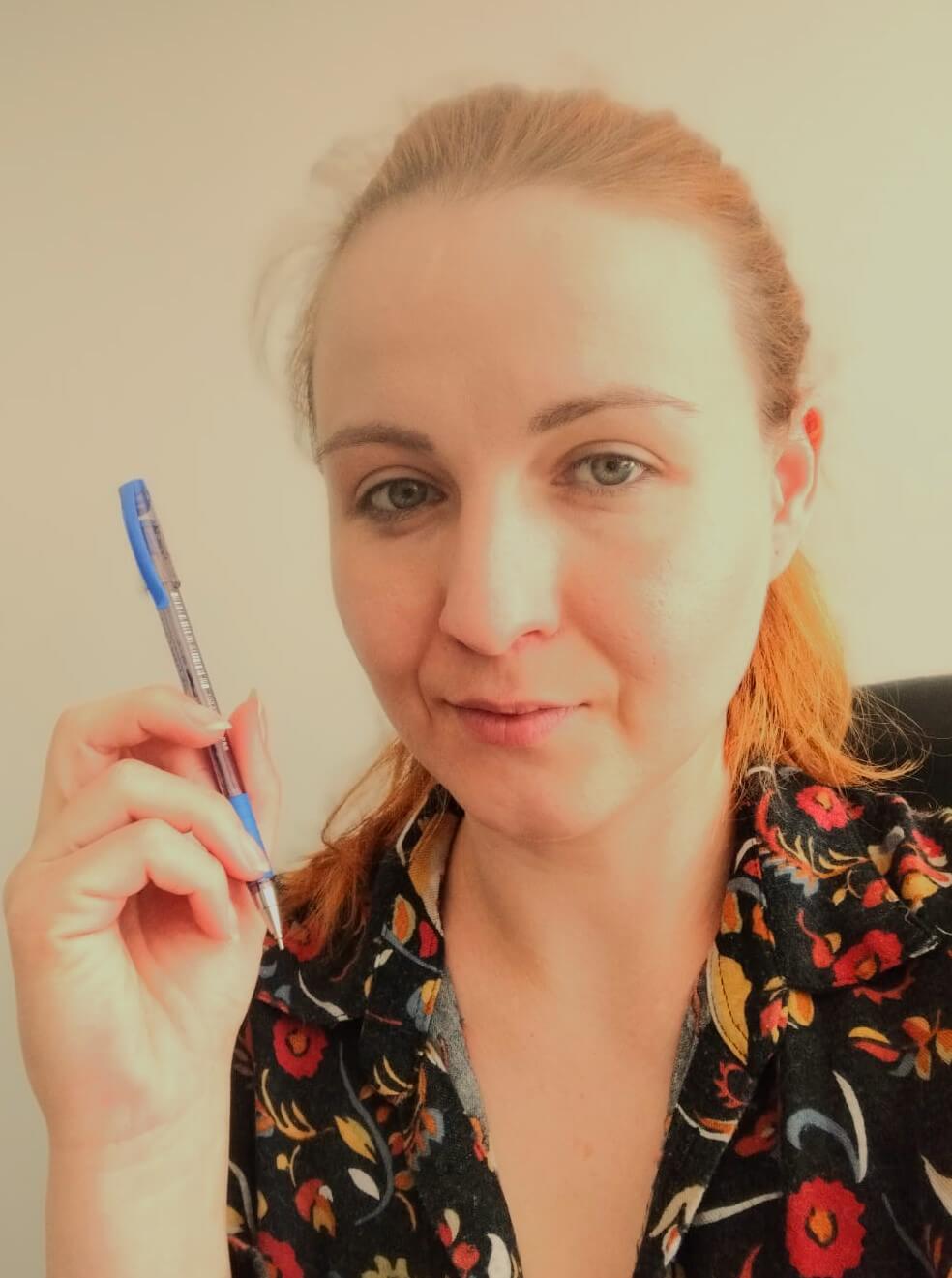
I’m Victoria, the creator behind Eva My Balance. Passionate about beauty, wellness, sustainable living, and mindful self-care. My mission is to inspire you to live consciously and beautifully—inside and out.