Taking good care of your clothing is one of the easiest ways to save money, reduce waste, and keep your favorite pieces looking their best. Learning how to care for clothes properly can help prevent fading, shrinking, stretching, and other common issues that shorten the life of garments. Whether you invest in high-quality basics or enjoy finding unique fashion pieces, proper clothing care helps you get more value from every item you own.
I have always paid close attention to how I wash and store my clothes. For example, I never wash wool garments with other fabrics. Instead, I wait until I have enough wool items for a separate load. This simple habit helps preserve their texture and shape. Small changes like this can make a significant difference over time.

Read and Follow Care Labels
Before washing any garment, check the care label. These instructions are provided by manufacturers to help you maintain the fabric properly. Ignoring them can lead to shrinkage, color fading, or damage to delicate fibers.
Understanding Common Care Symbols
Care labels may seem confusing at first, but they contain valuable information about washing, drying, and ironing.
- A wash tub symbol indicates washing instructions.
- A hand in a wash tub means hand washing is recommended.
- A triangle refers to bleaching instructions.
- A square indicates drying recommendations.
- An iron symbol shows the appropriate ironing temperature.
Taking a few seconds to read the label can prevent costly mistakes and extend the life of your clothing.
Sort Laundry Correctly
Many people separate clothes only by color, but fabric type is equally important. Proper sorting reduces friction, prevents damage, and helps garments maintain their appearance.
Separate by Color
Sorting laundry by color helps prevent dye transfer.
- Wash whites separately.
- Group dark colors together.
- Wash bright colors in their own load when possible.
This simple step keeps light garments from becoming dull and prevents unexpected color stains.
Separate by Fabric Type
Different fabrics require different levels of care.
- Wash wool separately.
- Keep silk and lace away from rough fabrics.
- Avoid washing delicate items with denim.
- Use mesh laundry bags for fragile garments.
I never mix lightweight blouses with heavy jeans or towels. Doing so reduces snagging and helps delicate fabrics remain smooth and attractive.
Use the Right Water Temperature
Water temperature affects both cleanliness and fabric longevity. While hot water can remove stubborn dirt, it may also weaken fibers and cause fading.
Cold Water
Cold water is suitable for most everyday clothing.
- Helps preserve colors.
- Reduces energy consumption.
- Minimizes shrinkage.
- Protects delicate fabrics.
Warm Water
Warm water works well for moderately soiled items and synthetic blends.
Hot Water
Hot water is best reserved for towels, bedding, and heavily soiled whites.
Using the appropriate temperature can significantly improve the lifespan of your wardrobe while reducing unnecessary wear.
According to the American Cleaning Institute, washing with cold water can help reduce energy use and protect fabric colors.
Choose a Gentle Detergent
The detergent you use matters more than many people realize. Harsh formulas may gradually weaken fibers and cause colors to fade faster.
When selecting a detergent:
- Choose products designed for delicate fabrics when needed.
- Use eco-friendly formulas whenever possible.
- Measure detergent carefully.
- Avoid adding more detergent than recommended.
I always follow the recommended amount. Too much detergent often leaves residue behind, while too little may not clean effectively. Finding the right balance helps clothes stay fresh without unnecessary buildup.
How to Care for Clothes Made from Different Fabrics
Not all fabrics respond the same way to washing, drying, and storage. Understanding the needs of different materials can help prevent shrinking, fading, stretching, and other forms of damage. A few fabric-specific care habits can significantly extend the life of your clothing.
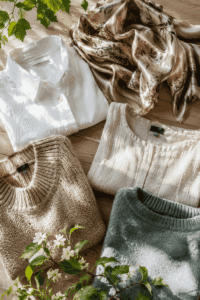
Cotton
Cotton is one of the most common clothing fabrics because it is durable, breathable, and comfortable to wear. It generally tolerates regular washing well, but repeated exposure to high heat can cause shrinkage and gradually weaken the fibers. Proper washing and drying can help cotton garments maintain their shape and softness for longer.
- Wash in cold or warm water.
- Avoid excessive dryer heat.
- Remove promptly from the dryer to reduce wrinkles.
Wool
Wool requires special care because its natural fibers are sensitive to heat, friction, and sudden temperature changes. Improper washing can cause wool garments to shrink or lose their original shape. Taking a few extra precautions helps preserve their softness, warmth, and appearance. In my own laundry routine, I always wash wool items separately and dry them flat to help maintain their fit and structure.
- Wash on a wool cycle or by hand.
- Use detergent specifically designed for wool.
- Lay flat to dry.
- Avoid hanging wet wool garments.
Silk
Silk is a luxurious natural fabric known for its smooth texture and elegant appearance. Because the fibers are delicate, silk can be damaged by harsh detergents, excessive rubbing, or high temperatures. Gentle washing and careful drying help maintain its beauty and extend its lifespan.
- Hand wash when possible.
- Use cool water.
- Avoid twisting or wringing.
- Air dry away from direct sunlight.
Linen
Linen is a strong, breathable fabric that is especially popular in warm weather. It is naturally durable and becomes softer with use, but it wrinkles more easily than many other materials. Proper washing and drying techniques can help keep linen garments looking neat and comfortable.
- Wash in cool or lukewarm water.
- Air dry when possible.
- Iron while slightly damp for best results.
Learning the specific needs of different fabrics helps preserve both comfort and appearance.
Dry Clothes Properly
Drying methods can have a major impact on clothing longevity. Excessive heat is one of the most common causes of fabric damage.
Air Dry Whenever Possible
Air drying offers several benefits.
- Reduces shrinkage.
- Preserves elasticity.
- Prevents fading.
- Lowers energy consumption.
I air dry most delicate garments and knitwear. This simple habit helps maintain their original shape and texture. For additional clothing drying tips, the Good Housekeeping Institute recommends air drying delicate fabrics whenever possible to help preserve their shape and reduce wear.
Use the Dryer Carefully
When using a dryer:
- Choose lower heat settings.
- Avoid over-drying.
- Remove garments promptly.
- Clean the lint filter regularly.
Reducing exposure to high heat can dramatically extend the life of many fabrics.
Store Clothes Correctly
Proper storage is often overlooked, yet it plays an important role in maintaining clothing quality. Knowing how to care for clothes does not stop with washing and drying. The way you store garments can also help prevent stretching, wrinkles, odors, and unnecessary wear over time.
Use Appropriate Hangers
Different garments require different types of hangers.
- Padded hangers work well for delicate fabrics.
- Wooden hangers support structured jackets.
- Wide hangers help maintain shoulder shape.
Fold Heavy Knitwear
Sweaters and other knit garments should generally be folded rather than hung.
Hanging heavy knitwear may cause stretching and distortion over time.
Protect Seasonal Clothing
Before storing seasonal garments:
- Wash them thoroughly.
- Allow them to dry completely.
- Store them in breathable containers.
- Add natural moth repellents when necessary.
Clean clothing is less likely to develop odors, stains, or pest-related damage during storage.
Treat Stains Quickly
Prompt stain treatment improves the chances of complete removal.
Food and Drink Stains
For coffee, tea, or juice spills:
- Blot immediately.
- Avoid rubbing the stain.
- Rinse with cold water.
- Apply a suitable stain remover.
Oil-Based Stains
Oil and grease stains often require special treatment.
- Blot excess oil first.
- Apply a small amount of dish soap.
- Let it sit briefly before washing.
Why Speed Matters
The longer a stain remains on fabric, the more difficult it becomes to remove. Addressing stains quickly can prevent permanent discoloration.
Reduce Wear Between Washes
Many garments are washed more often than necessary. Excessive washing can shorten the life of clothing.
Instead of washing after every wear:
- Air out garments between uses.
- Spot clean small stains.
- Use a fabric brush.
- Steam clothing to refresh it.
This approach is particularly useful for jackets, sweaters, and jeans.
In my experience, simply airing out clothes overnight often keeps them fresh enough for another wear while reducing unnecessary laundering.
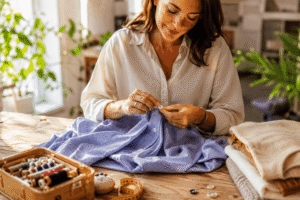
Repair Instead of Replacing
Small repairs can significantly extend the life of clothing and reduce waste.
Sew Loose Buttons
Replacing a button takes only a few minutes and can save an otherwise perfectly good garment.
Fix Small Tears Early
Tiny holes and loose seams become larger if ignored.
A simple repair today can prevent a major repair later.
Keeping a small sewing kit at home makes it easier to handle minor issues immediately.
Why Clothing Care Supports Sustainability
The fashion industry generates significant waste each year. Extending the life of clothing helps reduce environmental impact.
When garments last longer:
- Fewer items end up in landfills.
- Less energy is used for manufacturing.
- Fewer resources are consumed.
- Consumers save money.
Sustainable fashion is not only about buying eco-friendly products. It is also about making the most of the items you already own.
Conclusion
Understanding how to care for clothes is a practical skill that benefits both your wardrobe and the environment. Simple habits such as reading care labels, sorting laundry properly, choosing gentle detergents, storing garments correctly, and repairing minor damage can help clothes remain attractive and wearable for years. By treating your clothing with care, you can save money, reduce waste, and enjoy a more sustainable approach to fashion.
Vegan Fashion: How to Dress Stylishly and Sustainably? – Brands and Materials Replacing Leather, Fur, and Silk
Y2K, Minimalism, or Boho? How to Find Your Style in 2025
How to Choose the Perfect Skirt: Find Your Best Fit and Style

I’m Victoria, the creator behind Eva My Balance. Passionate about beauty, wellness, sustainable living, and mindful self-care. My mission is to inspire you to live consciously and beautifully—inside and out.