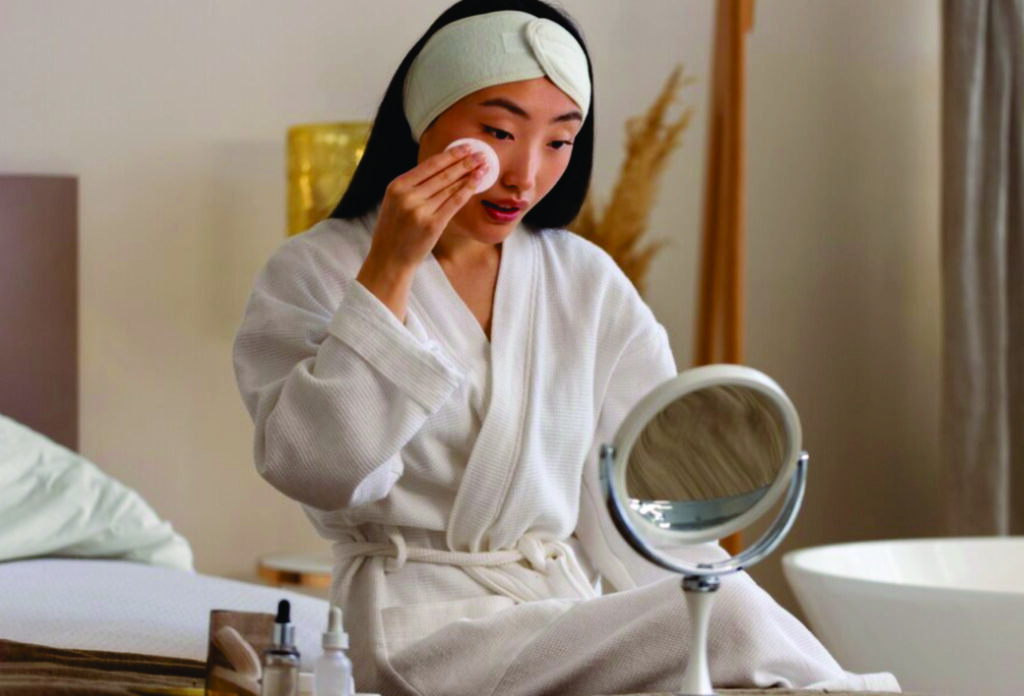
Have you ever tried a skincare product that worked beautifully for someone else but seemed completely wrong for your skin? According to Ayurveda, that’s not unusual. This ancient system of wellness suggests that every person has a unique constitution that influences everything from energy levels to digestion and skin health. Understanding your dosha skin type can help explain why your skin behaves the way it does and which products are more likely to support its natural balance.
For thousands of years, Ayurveda has focused on the connection between internal well-being and outward appearance. Rather than treating skin concerns as isolated problems, it looks at the whole person. Factors such as diet, stress, sleep, climate, and lifestyle are believed to influence the condition of the skin just as much as the products applied to it.
At the heart of Ayurveda are three doshas: Vata, Pitta, and Kapha. Each one is associated with different elements and characteristics, and each affects the skin in its own way.

Understanding the Three Doshas
Although everyone has all three doshas, one or two usually play a stronger role. These dominant doshas often influence how the skin looks, feels, and reacts to the environment.
Vata Dosha: Air and Space
People with a dominant Vata dosha often describe their skin as dry, delicate, or unpredictable. It may feel comfortable one week and become tight or flaky the next, especially when the weather changes.
Common characteristics of Vata skin include:
- Thin and delicate texture
- Dryness and dehydration
- Rough or flaky patches
- Fine lines appearing earlier than expected
- Increased sensitivity to cold and wind
Vata skin usually benefits from consistent hydration and gentle care. Harsh cleansers and over-exfoliation can often make dryness worse.

Pitta Dosha: Fire and Water
Pitta is associated with heat and transformation. People with Pitta-dominant skin often have a naturally healthy glow, but their skin can also be quick to react when something is out of balance.
Common characteristics of Pitta skin include:
- Soft and warm skin
- Tendency toward redness
- Sensitivity to sun exposure
- Breakouts and inflammation
- Flushing during stress or hot weather
If you’ve ever noticed your skin becoming red after a spicy meal or a day in the sun, Pitta may play a significant role in your constitution.
Kapha Dosha: Earth and Water
Kapha skin is often described as naturally smooth, resilient, and youthful-looking. Because it retains moisture well, it tends to age more slowly than the other dosha types.
Common characteristics of Kapha skin include:
- Thick, smooth texture
- Natural oiliness
- Enlarged pores
- Blackheads and congestion
- Puffiness or fluid retention
While Kapha skin often maintains a healthy appearance for many years, excess oil and slower cell turnover can sometimes lead to dullness.
How to Identify Your Dosha Skin Type

You don’t need an Ayurvedic practitioner to start noticing patterns in your skin. In many cases, your skin already provides useful clues.
If your skin constantly feels dry, tight, or rough, Vata characteristics may be dominant.
Recurring redness, sensitivity, and inflammation often point to a stronger Pitta influence.
For those dealing primarily with oiliness, clogged pores, and congestion, Kapha could be the leading dosha.
Many people find that they identify with more than one dosha. For example, someone may experience Vata-related dryness during winter but develop Pitta-type sensitivity during the summer months.
Understanding your dosha skin type is not about fitting perfectly into a category. Instead, it provides a framework that helps explain how your skin responds to different conditions and why certain products may work better than others.
Why More People Are Exploring Ayurvedic Skincare
Modern skincare offers countless products promising instant results. Yet many people still struggle to find routines that genuinely suit their skin.
One reason Ayurveda continues to attract interest is its personalized approach. Instead of asking, «What is the best product?» Ayurveda asks, «What does your skin need right now?»
For example, two people may experience dryness. One may simply need better hydration, while the other may benefit from improving sleep quality, reducing stress, or making dietary changes. Ayurveda encourages this broader perspective.
Many people also appreciate that Ayurvedic skincare relies heavily on botanical ingredients that have been used for centuries. While tradition alone is not proof of effectiveness, modern research has begun exploring some of these ingredients and their potential benefits.
Choosing the Right Products for Your Dosha
Once you have a better understanding of your skin’s tendencies, selecting products becomes much easier.
Best Ingredients for Vata Skin
Because Vata skin tends to lose moisture easily, nourishing ingredients are often the most helpful.
Recommended ingredients include:
- Sesame oil
- Almond oil
- Avocado oil
- Honey
- Aloe vera
A gentle cleanser followed by a rich moisturizer or facial oil can help support the skin barrier and reduce dryness.

Best Ingredients for Pitta Skin
Pitta skin usually responds best to cooling and calming ingredients.
Recommended ingredients include:
- Aloe vera
- Rosewater
- Coconut oil
- Neem
- Turmeric
Lightweight moisturizers and soothing formulations can help reduce redness while maintaining hydration.
Best Ingredients for Kapha Skin
Kapha skin often benefits from ingredients that help balance oil production and support gentle exfoliation.
Recommended ingredients include:
- Fuller’s Earth clay
- Tea tree oil
- Ginger
- Lemon extract
- Turmeric
Regular cleansing and occasional clay masks can help keep pores clear without stripping the skin.
Can Ayurveda Work Alongside Modern Skincare?
Some people assume they must choose between traditional and modern skincare approaches. In reality, the two can often complement each other.
For example, someone with Pitta tendencies may enjoy the soothing effects of aloe vera and rosewater while also using dermatologist-recommended ingredients such as niacinamide or azelaic acid.
Likewise, a person with Kapha characteristics may benefit from Ayurvedic clay masks while incorporating gentle chemical exfoliants into their routine.
The key is balance. Ayurveda encourages paying attention to how your skin responds rather than following rigid rules.
What Does Science Say About Ayurvedic Ingredients?
Several ingredients commonly used in Ayurvedic skincare have attracted scientific interest in recent years.
Turmeric contains curcumin, a compound known for its antioxidant and anti-inflammatory properties. According to a review published in Foods (2017), these properties may contribute to several potential health benefits associated with curcumin.
Neem has also been studied for its antimicrobial activity. Researchers have identified several compounds in neem with antibacterial and anti-inflammatory properties, helping explain its long history of use in traditional skincare practices.
In addition, research suggests that plant-derived antioxidants may help protect the skin from environmental stressors and UV-induced oxidative damage. A review published in Molecules highlighted the protective role of plant phenolics in supporting skin health and reducing oxidative stress associated with skin aging and various skin disorders (Działo et al., 2016).
While more high-quality clinical research is needed, these findings help explain why some traditional Ayurvedic ingredients remain popular today.

Simple Ayurvedic Habits for Healthier Skin
Ayurveda emphasizes that skincare extends beyond creams and serums.
A few simple habits may support overall skin health:
- Stay hydrated throughout the day.
- Prioritize consistent sleep.
- Manage stress through mindfulness or meditation.
- Eat a balanced diet rich in whole foods.
- Spend time outdoors and stay physically active.
Many Ayurvedic practitioners also recommend Abhyanga, a traditional self-massage practice using warm oils. Beyond its skincare benefits, many people find it deeply relaxing and grounding.
Conclusion
One of the most appealing aspects of Ayurveda is its focus on individuality. Rather than assuming that one routine works for everyone, it encourages people to pay attention to their own skin and its changing needs.
By understanding your dosha skin type, you can make more informed choices about skincare products, ingredients, and daily habits. Instead of constantly chasing the latest beauty trend, you may find greater success by working with your skin’s natural tendencies. Over time, this personalized approach can help support healthier, more balanced skin while contributing to overall well-being.

I’m Victoria, the creator behind Eva My Balance. Passionate about beauty, wellness, sustainable living, and mindful self-care. My mission is to inspire you to live consciously and beautifully—inside and out.