Choosing the right hair extensions guide can make all the difference when you’re trying to achieve longer, fuller, and more versatile hair. With so many extension methods available today, it’s easy to feel overwhelmed by the options. From clip-ins that can be applied in minutes to professional extensions designed to last for months, there’s a solution for almost every hair type, budget, and lifestyle.
The challenge is knowing which option is right for you. Every extension method comes with its own advantages, maintenance requirements, and potential drawbacks.
This Hair Extensions Guide explores the most popular types of hair extensions, compares human and synthetic hair, and explains the pros and cons of each application method. You’ll also find practical care tips to help your extensions stay soft, tangle-free, and looking their best for as long as possible. Whether you’re buying hair extensions for the first time or considering switching to a different method, this guide will help you choose the option that best suits your hair and lifestyle.
Types of Hair Extensions
One of the biggest advantages of hair extensions is the variety of application methods available today. Some are designed for occasional wear, while others can stay in place for several months with proper maintenance. The best choice depends on your hair type, budget, styling routine, and how much time you’re willing to spend on upkeep.
Clip-In
Clip-in extensions are the perfect option if you’re looking for an instant transformation without making a long-term commitment. They come as wefts with small pressure-sensitive clips that attach securely to your natural hair in just a few minutes.
Pros
- Easy to apply and remove at home.
- Ideal for occasional wear.
- Won’t damage natural hair when used correctly.
- Available in a wide range of lengths and colors.
Cons
- Not suitable for continuous daily wear.
- Can feel bulky if too many wefts are applied.
- Require careful storage to maintain their quality.
Tape-In
 Tape-in extensions are a popular semi-permanent option. Thin sections of extension hair are attached using medical-grade adhesive strips, creating a lightweight and natural-looking finish that typically lasts four to eight weeks before maintenance is needed.
Pros
- Lightweight and comfortable.
- Blend naturally with most hair types.
- Quick professional application.
- Less damaging than some permanent methods.
Cons
- Must be applied and removed by a professional.
- Oils and conditioners should be kept away from the adhesive.
- Require regular maintenance appointments.
Sew-In (Weave)
Sew-in extensions, also known as weaves, are attached by sewing hair wefts onto tightly braided natural hair. This method is best suited to thick or coarse hair and can last six to eight weeks with proper care.
Pros
- Long-lasting results.
- Ideal for thick or coarse hair.
- No glue or heat required.
- Secure enough for active lifestyles.
Cons
- Professional installation is essential.
- Tight braids may cause temporary discomfort.
- Not recommended for fine or fragile hair.
Keratin Bond
Keratin bond extensions, also called fusion extensions, are applied by attaching individual strands with keratin bonds softened using a professional heat tool. They create one of the most natural-looking results and can last three to six months.
Pros
- Very natural appearance.
- Long-lasting results.
- Individual strands move like natural hair.
- Suitable for a variety of hairstyles.
Cons
- Professional application and removal are required.
- Heat is used during installation.
- Usually one of the more expensive methods.
Micro Link (Bead)
Micro link extensions are attached using tiny silicone-lined metal beads instead of glue or heat. They offer natural movement and can often be reused, although regular salon maintenance is necessary.
Pros
- No glue, adhesive, or heat required.
- Extensions can often be reused.
- Natural movement and flexibility.
- Easy to adjust during maintenance appointments.
Cons
- Require professional installation.
- Beads may loosen over time.
- Incorrect application can lead to breakage.
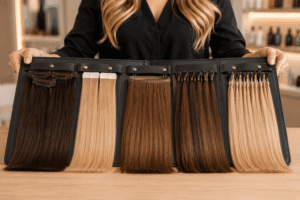
Human Hair vs. Synthetic Hair
One of the first decisions you’ll make is choosing between human hair and synthetic extensions. While they may look similar at first glance, they differ significantly in durability, styling options, and price.
Human Hair
Human hair extensions are made from real hair, allowing them to blend naturally with your own. They can be washed, curled, straightened, and, in many cases, colored. Although they’re more expensive, they typically last much longer with proper care, making them the best choice for regular wear. Because they can be washed, heat-styled, and colored, human hair extensions are generally considered the most versatile option for long-term wear by professional stylists.
Synthetic Hair
Synthetic extensions are made from artificial fibers designed to mimic real hair. They’re more affordable and ideal for occasional use, but most cannot withstand high heat and usually have a shorter lifespan.
Choosing the Right Color and Texture
A natural-looking result depends just as much on the right color and texture as it does on the application method. Instead of matching your roots, choose extensions that match the mid-lengths and ends of your hair, where the blend is most noticeable.
Most brands offer straight, wavy, and curly textures, along with a wide range of shades. If you’re unsure between two colors, choosing the lighter option is often the safest choice, as human hair extensions can usually be toned by a professional.
How Long Do Hair Extensions Last?
The lifespan of hair extensions varies depending on the application method and how well they’re maintained.
| Extension Type | Typical Lifespan |
|---|---|
| Clip-Ins | 6–12 months |
| Tape-Ins | 4–8 weeks |
| Sew-Ins | 6–8 weeks |
| Keratin Bonds | 3–6 months |
| Micro Links | 3–4 months |
With proper care and regular maintenance, many extensions can last longer than these average estimates.
Hair Extension Care Tips
Wash your hair two or three times a week using a sulfate-free shampoo and lukewarm water. The American Academy of Dermatology also recommends using gentle hair care products and focusing shampoo on the scalp rather than the entire length of the hair to help reduce dryness and damage.
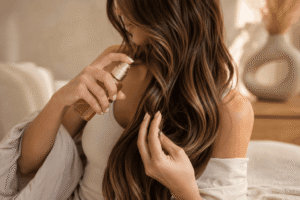
Wash Gently
Wash your hair two or three times a week using a sulfate-free shampoo and lukewarm water. Apply conditioner only to the mid-lengths and ends, avoiding tape or bonded attachment points that could loosen over time.
Brush Carefully
Use a wide-tooth comb or an extension brush, starting at the ends and working upward. Supporting the roots with one hand while brushing helps reduce tension and unnecessary shedding. Dermatologists also recommend using a wide-tooth comb or brushing gently to minimize breakage, especially when hair is wet.
Style with Care
Always use a heat protectant before styling human hair extensions with hot tools. At night, loosely braid your hair or tie it into a low ponytail to reduce tangling, and avoid heavy styling products that can cause buildup. Professional stylists also recommend sleeping on a silk or satin pillowcase to reduce friction and help extensions stay smoother for longer.
Common Mistakes to Avoid
A few simple habits can dramatically extend the life of your extensions. Try to avoid:
- Washing them too frequently.
- Using heat tools without a heat protectant.
- Sleeping with wet extensions.
- Pulling or tugging while brushing.
- Wearing very tight hairstyles every day.
- Using products that contain harsh alcohols or sulfates.
If your scalp feels sore or irritated, contact your stylist. Your extensions may need adjusting.
Conclusion
This Hair Extensions Guide shows that adding length, volume, and versatility doesn’t have to mean waiting months for your natural hair to grow. Whether you choose clip-ins for occasional wear or keratin bonds for a longer-lasting transformation, selecting the right method and following a proper care routine will help you achieve the best results.
With high-quality extensions, regular maintenance, and gentle hair care habits recommended by dermatologists, you can enjoy beautiful, natural-looking hair while keeping your own strands healthy and strong.
The Benefits of Herbs for Skin and Hair: Homemade Infusions and Masks
Enhance Your Look with Stylish Wigs: Practical Tips and Care Advice

I’m Victoria, the creator behind Eva My Balance. Passionate about beauty, wellness, sustainable living, and mindful self-care. My mission is to inspire you to live consciously and beautifully—inside and out.