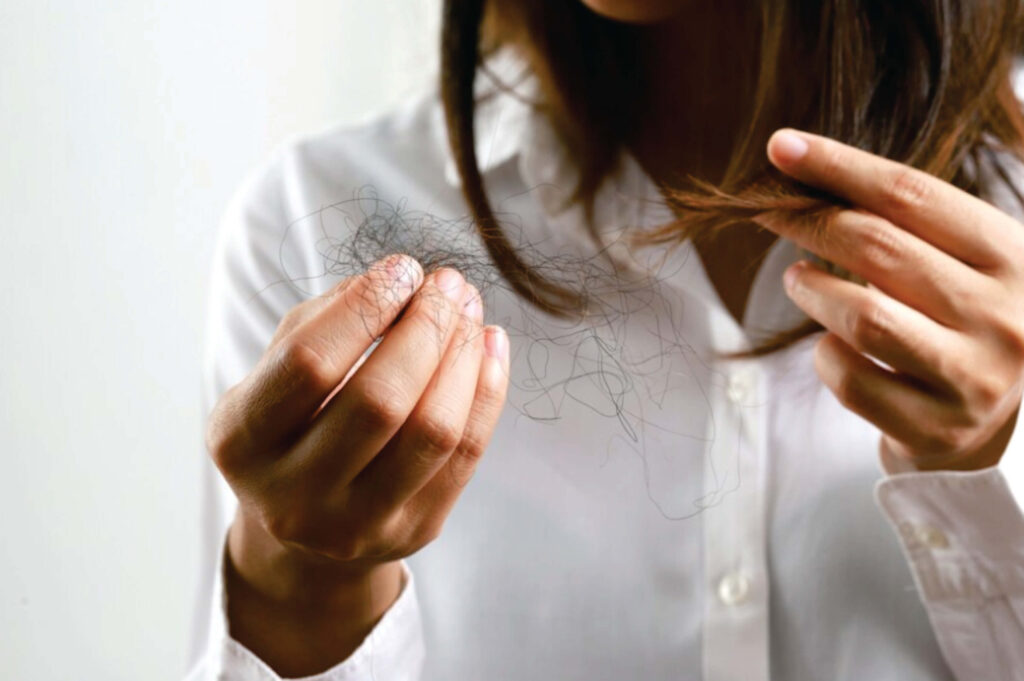
The ayurvedic hair oil wrap is one of the oldest beauty rituals still widely practiced today. Long before modern hair serums and salon masks appeared, Ayurvedic traditions used warm herbal oils, scalp massage, and heat wrapping to improve hair texture naturally. Many people continue to rely on this method to reduce dryness, calm the scalp, and support thicker, shinier hair without harsh chemicals.
In Ayurveda, healthy hair is closely connected to balance within the body. Stress, poor sleep, dehydration, and excessive heat are believed to weaken the scalp and hair roots over time. Oil treatments are designed not only to condition the hair but also to relax the nervous system and improve circulation. While modern science does not confirm every Ayurvedic belief, several studies suggest that scalp massage and certain plant oils may help reduce breakage, protect the hair shaft, and improve overall scalp condition.
Today, Ayurvedic hair rituals are becoming popular again among people searching for gentler and more holistic hair care methods. Social media platforms, beauty forums, and natural wellness communities are filled with personal stories from individuals who noticed softer hair, reduced frizz, and less shedding after consistent oil treatments.

Why Hair Oiling Remains Popular
Hair oiling has been part of Indian self-care traditions for centuries. In many households, weekly scalp oiling is still considered an important wellness ritual passed down between generations. Unlike quick cosmetic fixes, Ayurvedic oil wraps focus on long-term hair and scalp health.
Modern research has also helped explain why certain oils remain so popular. According to a study published in the Journal of Cosmetic Science, coconut oil was shown to reduce protein loss in both damaged and undamaged hair because of its ability to penetrate the hair shaft more effectively than some other oils.
Scalp massage itself may provide additional benefits. A small study published in Eplasty found that regular scalp massage was associated with increased hair thickness after several months of consistent practice. Researchers suggested that mechanical stimulation from massage may influence cells within hair follicles and potentially support healthier hair growth over time.
Many people also enjoy the calming effect of the ritual. Applying warm oil and slowly massaging the scalp can feel grounding after stressful days. Since stress is often linked to temporary hair shedding, relaxing hair care rituals may indirectly support healthier hair habits over time.
The Benefits of Ayurvedic Oil Wraps
One reason the ritual remains popular is because it combines several hair-supportive techniques at once. The scalp receives massage stimulation, the hair absorbs moisture, and the warm wrap helps oils penetrate more deeply.
People who regularly practice Ayurvedic oiling often report:
- Softer and shinier hair
- Reduced dryness and frizz
- Fewer split ends
- Improved scalp comfort
- Less breakage during brushing
- Better manageability
- A relaxing self-care experience
The wrapping stage is especially important. Heat may help the oils spread more evenly across the scalp and hair strands. Some people use a warm cotton towel, while others leave the oil overnight under a soft wrap.
On beauty forums such as Reddit’s r/Ayurveda and The Long Hair Community, users frequently describe noticeable improvements after several weeks of weekly treatments. One woman shared that bhringraj oil helped her hair feel fuller after postpartum shedding. Another user explained that combining coconut oil with fenugreek-infused oil reduced scalp dryness during winter.
Of course, results vary depending on hair type, genetics, diet, and overall health. However, many people find that oil wraps improve the appearance and feel of their hair even when dramatic hair growth does not occur.
Choosing Oils Based on Hair Type 

Ayurveda traditionally divides people into different dosha categories, including Vata, Pitta, and Kapha. Even people who do not fully follow Ayurvedic philosophy may still find these categories useful when choosing oils.
Oils for Dry or Brittle Hair
Dry hair often benefits from richer oils that help seal in moisture.
Popular options include:
- Sesame oil
- Almond oil
- Castor oil
- Avocado oil
- Bhringraj oil
Castor oil is especially popular online for people trying to create the appearance of thicker hair. Because it is very dense, many users mix it with lighter oils like coconut or almond oil.
Oils for Sensitive or Heat-Prone Scalps
People with irritated or oily scalps often prefer lighter and cooling oils.
Common choices include:
- Coconut oil
- Brahmi oil
- Amla oil
- Neem oil
Neem oil is frequently used in natural hair care routines for dandruff-prone scalps. However, because its scent is very strong, it is usually diluted with carrier oils.
Oils for Heavy or Oily Hair
Some people struggle more with buildup than dryness. In these cases, lighter applications work best.
Options may include:
- Mustard oil
- Tea tree diluted in carrier oil
- Lemon-infused oils
- Shikakai oil
It is important not to overload already oily hair with excessive amounts of product. Even beneficial oils can create buildup if they are difficult to wash out.
How to Perform an Ayurvedic Hair Oil Wrap
Creating an Ayurvedic oil ritual at home does not require expensive products. Many people already have suitable oils in their kitchens or bathrooms.
Step 1: Warm the Oil
Gently warm the oil until it feels comfortable on the skin. It should never feel hot.
Some people infuse oils with herbs such as:
- Fenugreek seeds
- Curry leaves
- Hibiscus petals
- Rosemary
- Amla powder
The herbal infusion step is optional but popular in traditional hair care recipes.
Step 2: Massage the Scalp
Apply the oil slowly using fingertips. Massage in circular motions for around 10 minutes.
This stage helps distribute the oil while also relaxing scalp tension. Avoid scratching aggressively with fingernails.
Step 3: Apply Oil to the Lengths
Spread a small amount through the hair lengths, especially dry ends.
People with fine hair may need only a light layer, while thick or curly hair often tolerates richer application.
Step 4: Wrap the Hair
This is where the ayurvedic hair oil wrap becomes different from ordinary oiling. After application, wrap the hair with a warm towel or soft cloth.
Leave it on for at least 30 minutes. Some people prefer overnight treatments once per week.
Step 5: Wash Gently
Use a mild shampoo to remove excess oil without over-drying the scalp.
Some individuals need two gentle washes, especially after using heavier oils like castor oil.
Can Ayurvedic Oil Wraps Help Hair Appear Thicker?
Hair thickness is influenced by genetics, hormones, nutrition, stress levels, and scalp health. Oil wraps cannot permanently change hair genetics, but they may improve the appearance of fullness.
Dry and damaged hair often looks thinner because strands break easily and lose smoothness. Oils can temporarily reduce rough texture and help strands reflect light more evenly. This creates a fuller and shinier appearance.
Some oils may also reduce mechanical damage caused by brushing and heat styling. Coconut oil, in particular, has been studied for its ability to reduce protein loss in hair fibers.
In online discussions, many users mention that consistent oiling helped reduce breakage more than it directly increased hair growth. This distinction is important. Healthier hair retention can still make hair look thicker over time.
Common Mistakes That Can Make Hair Worse
Although oil wraps can be beneficial, mistakes may create scalp discomfort or buildup.
Using Too Much Oil
More oil does not always mean better results. Excessive oil can clog the scalp and require harsh washing afterward.
Leaving Heavy Oils on Too Long
Some scalps tolerate overnight oiling well, while others become itchy or greasy.
Experimenting with shorter sessions may work better for sensitive skin.
Washing with Very Hot Water
Hot water may strip natural oils and increase dryness.
Lukewarm water is usually gentler after treatments.
Ignoring Overall Health
Hair condition is strongly connected to nutrition, hormones, sleep quality, and stress. Even the best oil ritual cannot fully compensate for severe nutritional deficiencies or chronic stress.
Real Stories From Online Communities
One reason natural hair care traditions remain popular is because people continue sharing positive experiences online.
A Reddit user in r/Ayurveda explained that weekly coconut and bhringraj oil wraps helped reduce visible frizz after years of heat styling. Another woman on The Long Hair Community described how scalp massage became part of her evening relaxation routine during a stressful period. She noticed less hair shedding after several months, although she admitted the improvement was gradual rather than dramatic.
In NaturallyCurly discussions, several users with textured hair mentioned that oil wraps helped improve softness before wash days. Many emphasized consistency rather than expecting overnight transformation.
These stories are anecdotal, but they reflect why so many people continue experimenting with traditional hair rituals.

Simple Tips for Better Results
If you want to try an ayurvedic hair oil wrap, consistency matters more than perfection.
Helpful habits include:
- Performing treatments once per week
- Protecting hair from excessive heat styling
- Sleeping on softer pillowcases
- Staying hydrated
- Eating protein-rich foods
- Avoiding overly harsh shampoos
Many people also combine oiling with gentle scalp care practices like reducing tight hairstyles and minimizing aggressive brushing.
Final Thoughts
The ayurvedic hair oil wrap continues to attract attention because it combines simplicity, relaxation, and natural hair care traditions into one ritual. While it is not a miracle cure for every hair concern, many people find that regular oil wraps improve softness, shine, and overall hair manageability.
Scientific research supports some aspects of oiling, especially regarding scalp massage and coconut oil’s protective effects on hair fibers. At the same time, personal experiences shared across forums and wellness communities show that consistent care often matters more than expensive products.
For people seeking a slower and more mindful approach to hair care, Ayurvedic oil wrapping may offer both cosmetic and emotional benefits. The ritual encourages people to slow down, care for their scalp gently, and create healthy routines that support stronger and shinier hair over time.

I’m Victoria, the creator behind Eva My Balance. Passionate about beauty, wellness, sustainable living, and mindful self-care. My mission is to inspire you to live consciously and beautifully—inside and out.