The beauty industry generates enormous amounts of waste every year. Plastic bottles, disposable tools, and overpackaged products dominate the market, making zero-waste beauty an increasingly important topic. Many consumers underestimate this environmental impact, yet its consequences are long-lasting.
A zero-waste beauty routine does not require perfection or radical lifestyle changes. It begins with awareness and develops through small, intentional decisions. This approach reduces environmental harm while supporting healthier skin and more mindful consumption.
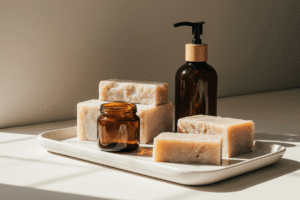
Why Zero-Waste Beauty Matters
Beauty waste contributes significantly to global pollution. According to the U.S. Environmental Protection Agency, packaging and containers make up a major portion of municipal solid waste. In 2018, they accounted for 82.2 million tons — about 28.1 % of total waste generated in the U.S. That includes packaging used for food, cosmetics, and many other consumer products. Of this amount, a significant portion is landfilled or incinerated rather than recycled, showing how packaging waste persists in the environment.
Microplastics create an even deeper problem. Research shows that microplastics are present in marine, freshwater, and terrestrial ecosystems, as well as in food supply chains and drinking water. These particles persist in the environment for decades due to their chemical stability and slow degradation.
There is also a personal health aspect. Many conventional beauty products contain irritants or hormone-disrupting chemicals that can interfere with the endocrine system. According to the Endocrine Society, endocrine-disrupting chemicals can mimic, block, or interfere with natural hormones and have been linked to a wide range of health concerns.
Zero-waste beauty supports a cleaner planet and safer skincare. It also encourages more mindful consumption. In practice, fewer products often lead to more informed and intentional decisions.
1. Rethinking Packaging Choices
Packaging is one of the biggest challenges in the beauty industry. Most products rely on plastic containers. Many of them are difficult to recycle or reuse.
Choose Refillable Beauty Products
Refill systems significantly reduce waste. Many skincare, makeup, and haircare brands now offer refill options. These systems lower plastic consumption and often reduce long-term costs.
On Reddit’s r/ZeroWaste forum, one user shared her experience after switching to refillable cleanser. She calculated her yearly plastic usage and was shocked. The change eliminated more than twenty plastic bottles per year.
Prefer Glass, Metal, or Compostable Packaging
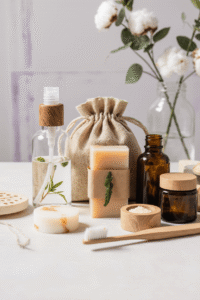 Glass and metal can be recycled endlessly without losing quality. Some brands also use compostable, plant-based packaging that breaks down naturally. According to the Ellen MacArthur Foundation, the choice of packaging materials and their ability to be reused or recycled plays a critical role in overall product sustainability, alongside product formulation itself.
2. Replacing Disposable Beauty Tools
Disposable tools create constant, invisible waste. Cotton rounds, wipes, and plastic razors accumulate quickly.
Switch to Reusable Cotton Pads
Reusable cotton pads made from bamboo or fabric work just as well as disposable ones. They are washable, durable, and ideal for makeup removal or toner application.
Many forum users admit initial resistance. Washing pads felt inconvenient at first. Most later say it became automatic within weeks.
Use a Stainless-Steel Safety Razor
Plastic razors are a major landfill contributor. A stainless-steel safety razor can last for decades. Only the blades require replacement.
Dermatologists also note fewer ingrown hairs with safety razors. This benefit surprises many first-time users.
3. Simplifying with Multi-Purpose Products
Minimalism supports zero-waste beauty naturally. Fewer products mean less packaging and less waste overall.
Use Multi-Use Balms
One balm can replace several items. It can hydrate lips, soften cuticles, and add a natural glow to cheeks. I personally rely on multi-use balms when traveling. They reduce clutter and decision fatigue.
Choose Solid Beauty Bars
Solid shampoo, conditioner, and body wash bars eliminate plastic bottles completely. They last longer than liquid formulas and are easy to store. Life cycle assessment studies published in Resources, Conservation & Recycling indicate that solid and concentrated product formats generally have a lower environmental footprint due to reduced packaging and transportation impacts.
Rely on Natural Oils
Natural oils such as jojoba, argan, and coconut serve multiple purposes. They work for skin care, hair conditioning, and makeup removal. This versatility helps reduce overconsumption.
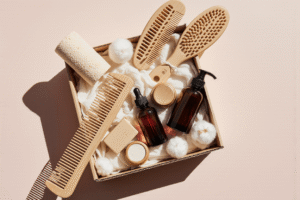
4. DIY Beauty as a Zero-Waste Tool
DIY beauty does not need to be complicated. Simple formulas are often the most effective.
Homemade Face Masks
Avocado mixed with honey helps nourish dry skin. Yogurt combined with oatmeal can calm sensitive skin. Banana may improve the appearance of dull skin. Studies published in the Journal of Cosmetic Dermatology discuss the humectant and skin-supporting properties of natural ingredients, including honey.
Natural Exfoliation Without Microplastics
Many commercial scrubs contain plastic microbeads. These particles pollute waterways and marine life. Instead, sugar or coffee grounds work well for the body. For the face, rice flour mixed with honey provides gentle exfoliation.
DIY Deodorant and Lip Balm
Natural deodorants often use baking soda and plant starches. Coconut oil adds a smooth texture. Essential oils provide light fragrance.
Homemade lip balm reduces plastic waste significantly. Beeswax or shea butter combined with coconut oil and vitamin E works well for daily use.
5. Haircare the Zero-Waste Way
Haircare products are often heavily packaged and overused. A simplified approach can reduce both waste and scalp irritation.
Natural hair masks made from aloe vera and coconut milk help hydrate dry hair. Egg mixed with olive oil can strengthen strands. Apple cider vinegar rinses may restore shine and support scalp pH. According to research discussed in the International Journal of Trichology, mildly acidic rinses can help smooth the hair cuticle.
6. Supporting Sustainable Beauty Brands
Consumer demand influences industry standards. Supporting ethical brands encourages responsible production.
Look for Transparency and Certifications
Cruelty-free and organic labels are helpful. Transparency matters even more. Brands that publish sustainability reports demonstrate accountability.
Greenwashing is common in beauty marketing. Researching brand practices remains essential.
Participate in Recycling Programs
Some brands offer take-back programs for empty containers. These systems help close the loop on packaging waste. Many forum users report stronger brand loyalty when such programs are available.
7. Reducing Water Consumption in Your Routine
Water waste is often overlooked in beauty routines. Yet small habits make a difference.
Shorter showers reduce water usage immediately. Turning off the tap between steps prevents unnecessary waste. Using a cup for rinsing is surprisingly effective.
According to the World Health Organization, improving water efficiency through small household practices can contribute to reducing water stress over time.
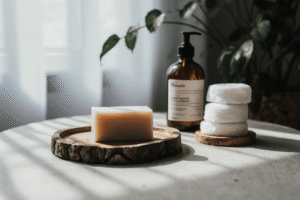
Observations from the Zero-Waste Beauty Community
Many people begin exploring zero-waste beauty gradually. Forum discussions and sustainability communities often reveal the same pattern. Most users start with one simple swap, such as reusable cotton pads or solid shampoo. Over time, these small changes reshape the entire routine.
Interestingly, resistance usually appears at the beginning. Reusable tools feel unfamiliar. Solid products require adjustment. However, long-term users frequently report increased satisfaction and fewer impulse purchases. Many also note that simplified routines feel calmer and more intentional.
These shared experiences highlight an important truth. Sustainable beauty habits tend to reinforce themselves. Once waste reduction becomes routine, reverting to disposable products feels unnecessary.
Final Thoughts
Zero-waste beauty is not a trend. It is a long-term mindset shift that prioritizes intention over excess.
By choosing refillable packaging, reusable tools, and multi-purpose products, waste decreases naturally. Small actions create meaningful impact over time. Sustainable beauty does not require sacrifice. It invites awareness and balance.
How to Wash Your Hair Without Plastic? Alternatives to Liquid Shampoos
The Art of Mindful Consumption: A Simple Guide to Stopping Impulse Buys

I’m Victoria, the creator behind Eva My Balance. Passionate about beauty, wellness, sustainable living, and mindful self-care. My mission is to inspire you to live consciously and beautifully—inside and out.