Many people struggle to say no, even when they feel overwhelmed or exhausted. They worry about disappointing others, losing opportunities, or appearing unhelpful. Yet learning to set boundaries is a vital life skill, and it plays a key role in long-term emotional balance. Psychologists agree that people who confidently protect their time and attention report lower stress and a stronger sense of personal control. Studies from the Harvard Business Review show that clear limits support well-being, productivity, and professional growth (Harvard Business Review, 2022).
The simple phrase “the power of no” reflects the ability to make choices that align with your values and needs. Saying no is not rejection. It is intentional decision-making. It helps you focus on meaningful goals, healthier relationships, and deeper personal growth. When you stop stretching yourself too thin, you regain stability, clarity, and mental space.

Why Saying No Protects Mental Health
Mental health is one of the strongest reasons to learn boundary-setting. Overcommitting drains emotional resources and can slowly lead to burnout. The American Psychological Association (APA) notes that chronic stress and continuous overload increase emotional fatigue and reduce overall well-being. When you never pause to rest, your mind struggles to stay resilient.
A well-placed no creates room for recovery. It allows you to recharge, reflect, and breathe. Healthy limits also create a protective buffer between you and chronic stress. This is why so many mental-health experts encourage firm boundaries as part of daily self-care.
On Reddit, a user shared a story about accepting every extra task at work because they feared appearing lazy. They described constant headaches, irritability, and the feeling of “living in survival mode.” When they finally refused an additional project, their manager responded with understanding. The user wrote that this moment became a turning point. They realized that people respect honest boundaries more than constant burnout. It was their first experience of “the power of no.”
Personal Insight: Learning to Protect My Emotional Energy
 I also used to feel guilty when turning down social plans or work requests. I believed that saying yes made me helpful and dependable. Over time, the constant pressure left me anxious and exhausted. My mood suffered. My sleep worsened. Even small tasks felt heavy.
Once I began setting clearer limits, everything changed. I felt lighter and calmer. My motivation returned. The shift was small at first, but the impact was noticeable. Boundaries became a form of emotional self-respect.
How Saying No Enhances Productivity
Many people think that productivity increases when they accept more tasks. However, the opposite is true. Research from Stanford University shows that multitasking and overload reduce performance and limit cognitive ability (Stanford University, 2019). A full schedule does not equal success. Clear focus does.
When you say no to unnecessary obligations, you create space for deep, meaningful work. You avoid distractions and stay present. This simple shift often leads to higher-quality results and less frustration. You use your time with intention, not pressure.
A well-known study from the University of California also found that interruptions drain mental energy faster than long work hours. The more commitments you accept, the more interruptions you face. The more interruptions you face, the harder it becomes to concentrate (University of California, 2017). Choosing fewer tasks often leads to better outcomes.
This is another moment where “the power of no” becomes visible: fewer obligations give you the chance to excel.
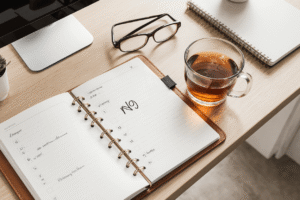
Personal Insight: Reclaiming My Focus
I once believed that saying yes to extra projects would help me grow professionally. Instead, I became overwhelmed, made more mistakes, and felt constant pressure. When I learned to decline tasks that didn’t fit my goals, I became more effective. I met deadlines with less stress. My work improved. And I gained more respect from colleagues.
Stories from Real People: How No Changed Their Lives
On Quora, one user shared how they used to accept every weekend plan with friends because they didn’t want to appear boring. They wrote that they often felt drained on Mondays and had no time for hobbies or rest. After one particularly exhausting week, they declined a group trip and spent the weekend reading and relaxing. Their friends reacted with understanding, not disappointment. The user said it was the moment they discovered “the power of no.” They learned that real friends honor boundaries.
A Mumsnet user described how saying no at work saved their mental health. Their manager often assigned last-minute tasks late in the day. One evening the employee finally refused, explaining they needed to pick up their child from school. The manager adjusted expectations and later thanked them for honesty. This small boundary improved both their work rhythm and family life.
Setting Boundaries in Work and Personal Life
Boundaries matter in every part of life. In professional environments, clear limits help reduce chronic stress and protect long-term well-being. Harvard Health Publishing notes that working long hours and taking on too many responsibilities are major triggers of stress, which can harm both emotional stability and physical health. Setting healthy boundaries at work helps prevent these effects and supports a more balanced daily rhythm.
At home, boundaries strengthen relationships. When you say no to activities that drain your energy or do not align with your values, you reinforce your sense of self-worth. People begin to understand your needs and respect your decisions. Healthy boundaries make relationships more honest and stable.
This is another quiet demonstration of “the power of no.” It teaches others how to treat you.
Personal Insight: Balancing Work and Life
I used to check emails late at night and accept tasks at the last minute. I thought it made me a dedicated worker. In reality, it created stress and constant tension. When I set a simple rule — no work communication after 7 PM — my evenings became calmer. I slept better. I became more productive during the day. And my colleagues followed the example.
How to Say No Without Guilt
Many people fear saying no because they worry about hurting someone’s feelings. But declining a request is not rude when done with kindness. In fact, honest communication builds trust.
Here are gentle ways to say no:
1. Be direct but warm
“I appreciate the offer, but I can’t take this on.”
2. Offer an alternative if appropriate
“I’m unable to help, but maybe this person could.”
3. Keep explanations short
Over-explaining creates pressure. A simple reason is enough.
4. Stay consistent
If someone pushes, repeat your answer calmly.
With practice, saying no feels natural. People will learn your boundaries and respect them.
Personal Insight: Releasing the Guilt
At first, I felt guilty each time I declined a request. I imagined others would be upset or disappointed. Instead, people respected my honesty. Many even said they admired my clarity. Over time, guilt faded. Confidence grew. Saying no turned into an act of self-care.
The Link Between Healthy Boundaries and Self-Respect
Saying no is deeply connected to self-respect. Each time you turn down something that doesn’t serve you, you reinforce your personal value. Agreeing to everything often leads to resentment and exhaustion. In contrast, setting boundaries builds trust in yourself. You learn to honor your needs instead of ignoring them.
Research on family relationships shows that relationship quality strongly shapes well-being across the life course. In a large review, Thomas and colleagues examined how family ties affect health and happiness. They found that supportive relationships are linked with greater life satisfaction, better mental health, and even physical health benefits (Thomas et al., 2017). Strained family ties, by contrast, increase stress and can undermine well-being. Healthy boundaries help reduce this strain and protect the support that close relationships can offer, which once again highlights the quiet strength behind “the power of no.”

Knowing When to Say No Without Hesitation
Some moments make the answer clear:
- A request conflicts with your values.
- You feel emotionally or physically drained.
- The task is outside your responsibilities.
- Accepting it harms your well-being.
- You already have too many commitments.
Recognizing these signals helps you stay grounded. It protects your time and energy. It also deepens your understanding of your personal limits.
Personal Insight: Recognizing My Limits
For a long time, I believed saying yes made me reliable. In reality, it pushed me beyond my limits. Once I started choosing tasks intentionally, I felt stronger and more present. I showed up with more enthusiasm and calm. And I stopped apologizing for protecting my well-being.
Conclusion: Embracing the Power of No
Learning to say no is a life-changing skill. It improves mental well-being, enhances productivity, and strengthens relationships. It protects your time, energy, and emotional health. Most importantly, it helps you live with more clarity and intention.
If boundary-setting feels difficult, start small. You do not need to change everything at once. With each step, you build confidence and discover the freedom behind “the power of no.”
For further guidance, explore these resources:
- Harvard Business Review – Boundary Setting Strategies
- American Psychological Association – Stress and Overcommitment Researches
- Stanford University – Cognitive Overload Study
- National Institutes of Health – Family Relationships and Well-Being
Saying no is not rejection. It’s an act of self-respect. It brings mental clarity. And it builds the kind of strength that protects your well-being.
And it is one of the most powerful skills you can learn.
Achieve Work-Life Balance: Practical Strategies for a Fulfilling Life
The Importance of Expression Emotions and How to Do It Properly

I’m Victoria, the creator behind Eva My Balance. Passionate about beauty, wellness, sustainable living, and mindful self-care. My mission is to inspire you to live consciously and beautifully—inside and out.