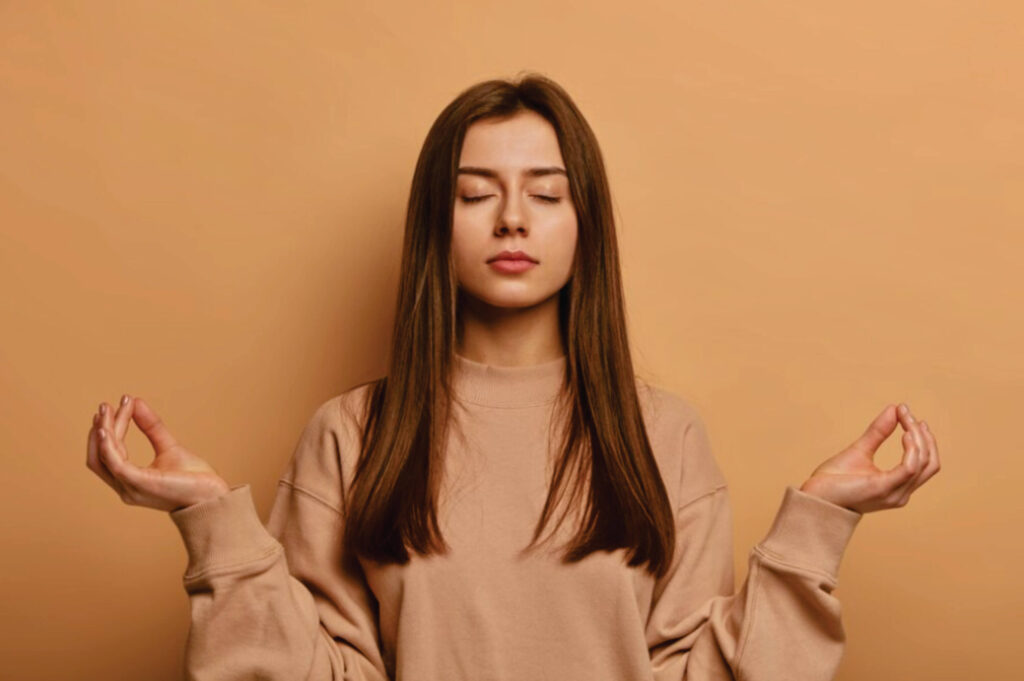
Anxiety is a widespread condition that affects millions of people worldwide. It often manifests as restlessness, racing thoughts, difficulty concentrating, and physical symptoms such as muscle tension, headaches, or fatigue. When left unmanaged, anxiety can gradually interfere with daily life, relationships, and overall health. Understanding practical and evidence-based ways to reduce anxiety is an important step toward restoring emotional balance and long-term well-being.
Fortunately, psychological research confirms that targeted lifestyle changes and evidence-based techniques can significantly reduce anxiety and support emotional balance. According to the American Psychological Association, consistent self-regulation practices play a key role in long-term anxiety management.
Identifying the Source of Your Anxiety
Understanding what triggers anxiety is the foundation of effective stress management. Anxiety rarely appears without a cause—it often follows recognizable emotional, physical, or situational patterns.
Ask yourself:
- Which situations consistently increase my anxiety levels?
- Are there recurring thoughts or behaviors linked to stress?
- How does my body react under pressure?
Research published in The Journal of Anxiety Disorders highlights self-awareness as a critical factor in reducing anxiety intensity. Once triggers are identified, it becomes easier to develop coping strategies that align with your lifestyle and emotional needs.
Personal Experience: Recognizing My Anxiety Triggers
For a long time, I experienced persistent tension without understanding its source. Keeping a simple journal helped me notice patterns I had previously ignored. Social pressure and an overpacked schedule turned out to be my strongest triggers. Once I adjusted my routine and set clearer boundaries, my anxiety levels decreased noticeably.
Deep Breathing: A Proven Way to Calm the Nervous System 

Controlled breathing directly influences the nervous system and helps shift the body from a stress response into a state of relaxation. One effective method is the 4-4-6 breathing technique:
- Inhale slowly through the nose for four seconds
- Hold the breath for four seconds
- Exhale gently for six seconds
- Repeat for several minutes
Studies published in Frontiers in Psychology show that deep breathing lowers cortisol levels and improves emotional regulation. Practiced regularly, this technique becomes a reliable tool for managing acute anxiety.
Personal Experience: How Deep Breathing Changed My Response to Stress
When anxiety used to rise, my immediate reaction was panic. Learning controlled breathing allowed me to pause instead of reacting automatically. Now, even a few deep breaths help my body relax almost instantly.
The Role of Mindfulness and Meditation
Mindfulness redirects attention away from anxious thought loops and anchors awareness in the present moment. Instead of reacting automatically, the mind learns to observe thoughts with greater distance. As one of the most effective ways to reduce anxiety, mindfulness helps interrupt habitual stress responses and supports emotional balance. Meditation further strengthens this process by promoting mental stillness and emotional clarity.
Clinical research shows that mindfulness-based practices help reduce anxiety symptoms and improve emotional regulation. Approaches such as Mindfulness-Based Stress Reduction (MBSR) and Mindfulness-Based Cognitive Therapy (MBCT) have been widely studied and linked to greater emotional stability. Simple ways to integrate mindfulness include:
-
Focusing on present sensations rather than future worries
-
Using guided meditation or calming audio
-
Practicing mindful journaling or gentle yoga
Even five minutes of daily mindfulness practice can lead to measurable improvements over time.
Physical Activity as a Natural Anxiety Regulator
Movement is one of the most effective natural ways to reduce anxiety. It directly influences both the body and the brain. Physical activity stimulates endorphin release and improves blood circulation. It also helps regulate stress hormones such as cortisol.
With regular movement, the nervous system learns to recover faster from stress. The body spends less time in a constant state of alertness. According to Harvard Health Publishing, consistent physical activity helps lower stress hormones like cortisol, boosts mood-enhancing chemicals such as endorphins, and supports better sleep and emotional well-being. Physical activity also makes the brain’s stress response less reactive, helping reduce anxiety in daily life.
Helpful options include a gentle 20-minute walk outdoors. Yoga or stretching can calm the nervous system. Higher-intensity workouts help release built-up emotional tension.
Personal Experience: Movement as an Emotional Reset
During a stressful period, anxiety made me feel mentally frozen. My body felt heavy and unmotivated. I started with short daily walks, without pressure or fitness goals. Within a week, my thinking became clearer. My mood felt lighter, and sleep improved.
Movement slowly shifted from a task to a support tool. It became less about productivity. It became more about emotional regulation. Over time, it turned into a grounding ritual I now rely on.
Nutrition and Its Impact on Anxiety Levels
Diet plays an important role in emotional and mental health. The brain needs steady nutrients to regulate mood. Research in nutritional neuroscience confirms a strong link between diet, brain function, and emotional stability. A comprehensive review published in Frontiers in Nutrition highlights that dietary patterns influence mental health outcomes, including mood regulation and anxiety symptoms, while healthier diets are associated with improved emotional well-being (Grajek et al., 2022).
Reducing caffeine and refined sugar helps calm the nervous system. These substances can increase anxiety and restlessness. Herbal teas are a gentler alternative. Whole foods rich in magnesium, B-vitamins, and omega-3s support emotional balance.
Proper hydration also matters. Even mild dehydration can increase irritability. A balanced diet supports steadier energy and improved stress resilience.
Building a Healthy Sleep Routine
Sleep and anxiety strongly influence each other. Poor sleep increases emotional reactivity. It also lowers stress tolerance. Small challenges may feel overwhelming when sleep is lacking.
The National Sleep Foundation reports that consistent sleep routines support mental and emotional health. Going to bed and waking up at the same time helps stabilize the body’s internal clock and improves mood regulation. According to a consensus guideline published by the National Sleep Foundation, regular sleep and wake times are associated with better mental health outcomes. Limiting screen exposure before bed also reduces mental stimulation and supports higher sleep quality.
A calming evening routine can make a big difference. Reading, gentle stretching, or meditation prepares the body for rest. A rested mind responds to stress more calmly.
Challenging Negative Thought Patterns
Anxiety often grows through distorted thinking. The mind may jump to worst-case scenarios. These thoughts feel real but are often inaccurate. CBT principles encourage observing thoughts without immediately believing them.
Helpful techniques include identifying recurring negative assumptions. These thoughts can then be replaced with balanced alternatives. Journaling helps create distance from anxious thinking.
Self-compassion is equally important. Harsh self-criticism has been linked to higher levels of anxiety and emotional distress. Research on self-compassion shows that a more supportive inner dialogue helps regulate emotional responses.
Research published in Cognitive Therapy and Research and related clinical studies demonstrates that cognitive restructuring, a core component of cognitive-behavioral therapy, significantly reduces anxiety symptoms by helping individuals identify and challenge unhelpful thought patterns.
The Importance of Social Support
Human connection protects against anxiety. Emotional support helps regulate stress responses and provides a sense of safety. Research shows that stronger perceived social support is associated with lower anxiety symptoms, while loneliness is linked to higher anxiety levels. A large meta-analysis published in International Journal of Environmental Research and Public Health found a consistent association between social support and reduced anxiety severity across multiple populations (Gabarrell-Pascuet et al., 2023).
Support can take many forms. Sharing feelings with trusted people helps release tension. Interest-based communities create a sense of belonging. Meaningful conversations matter more than constant digital contact.
Even brief moments of connection can calm the nervous system. Emotional safety strengthens resilience.
Reducing Digital Overload
Constant screen exposure overstimulates the nervous system. Social media increases comparison and mental fatigue. Research published in Computers in Human Behavior found that adolescents who spend more than two hours on screens on weekdays—especially those who engage in passive scrolling—are more likely to report clinically elevated anxiety and emotional/behavioral difficulties (Choi et al., 2025). These findings suggest that heavy screen use may be linked to higher anxiety levels in everyday life.
Setting daily screen limits helps restore balance. Planned offline breaks allow the mind to rest. Creative or tactile activities shift attention away from digital noise.
Reading, writing, cooking, or art support mental clarity. Reducing information overload allows the nervous system to slow down. This creates space for calm and focus.
Final Thoughts: Regaining Control Over Anxiety
Anxiety may feel overwhelming, but it is manageable. Small, consistent lifestyle changes—mindfulness, movement, balanced nutrition, and better sleep—are among the most effective ways to reduce anxiety and improve emotional well-being over time.
Research consistently suggests that long-term anxiety reduction is supported by sustainable habits rather than short-term solutions. Start with one practice and build gradually. Over time, these strategies create a calmer, more balanced, and fulfilling life.
How to Manage Stress in Daily Life

I’m Victoria, the creator behind Eva My Balance. Passionate about beauty, wellness, sustainable living, and mindful self-care. My mission is to inspire you to live consciously and beautifully—inside and out.