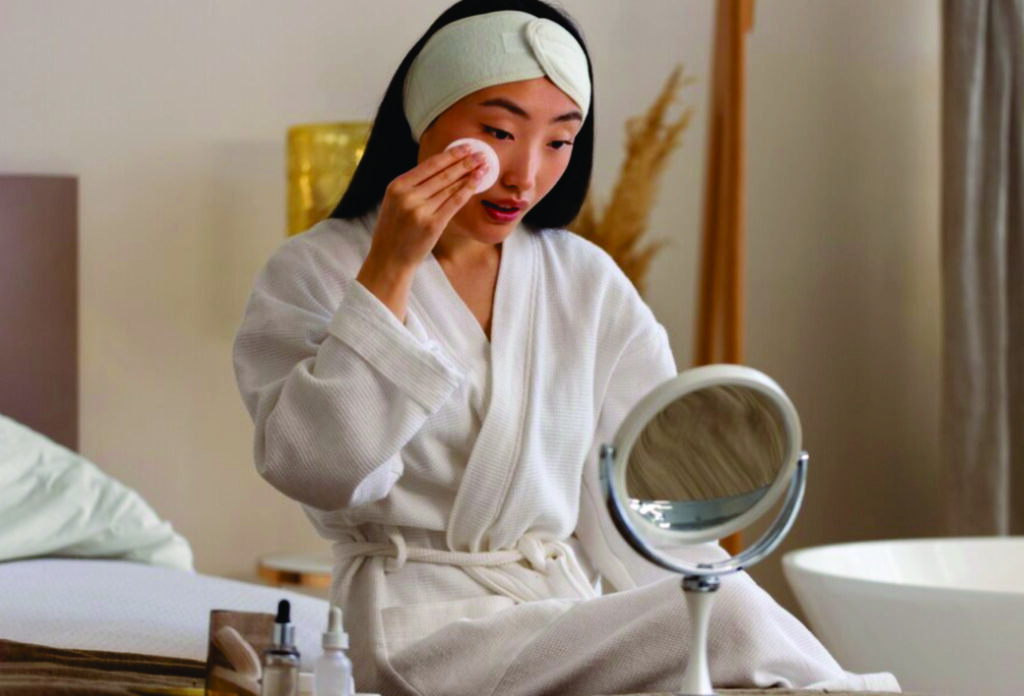
Vegan nutrition skin hair changes often become noticeable soon after switching to a plant-based diet. Some people experience clearer skin, stronger hair, and reduced inflammation, while others face temporary dryness, breakouts, or increased hair shedding during the transition. These differences are not random. They are closely linked to nutrient intake, absorption, and overall dietary balance. Understanding how vegan nutrition influences skin and hair health helps support a smoother transition and more sustainable, long-term results.

The Connection Between Vegan Nutrition and Skin Health
How a Plant-Based Diet Affects Skin
Dietary choices directly affect skin condition. Essential nutrients maintain elasticity, hydration, and overall health. Removing animal products reduces exposure to hormones and inflammatory compounds found in dairy and meat. This dietary shift often results in clearer skin, reduced acne, and fewer breakouts. However, abrupt dietary changes might initially cause imbalances, leading to temporary skin issues.
Plant-based nutrition influences skin and hair through various physiological adjustments. High antioxidant intake, common in plant-based diets, combats oxidative stress. This process reduces inflammation and the visible signs of aging, such as wrinkles and fine lines (Harvard T.H. Chan School of Public Health). Additionally, the absence of dairy, known for containing growth hormones, can significantly lower acne occurrences. Dairy elimination often decreases skin oiliness, reducing clogged pores.
However, vegan diets can initially lead to hydration fluctuations. The removal of fatty fish, a primary omega-3 fatty acid source, may cause temporary dryness and flakiness. Adequate substitution with vegan omega-3 sources such as chia seeds, flaxseeds, walnuts, and algae-based supplements is crucial to maintain optimal skin hydration. Incorporating these sources ensures a balanced omega-3 intake, preventing dryness and promoting supple skin.
Increased fruit and vegetable consumption is another critical advantage of a vegan diet for skin health. These foods provide a wealth of vitamins, minerals, and antioxidants. They enhance the skin’s radiance and contribute to a healthy glow. Nutrients like vitamins A, C, and E, found abundantly in colorful vegetables and fruits, promote skin regeneration, collagen production, and protect against environmental damage.
Some individuals may experience temporary adjustment breakouts after transitioning to a plant-based diet. This can occur as the body adapts to new nutrient ratios and dietary patterns. These breakouts typically subside over time, revealing clearer, healthier skin as balance is restored. Maintaining a consistent skincare routine can help support the skin during this transitional period.
Additional Factors Influencing Skin Health
While nutrition forms the foundation of skin health, daily habits also play a meaningful role. Vegan nutrition skin hair outcomes are closely influenced by hydration levels and consistent skincare routines. Drinking enough water helps maintain skin elasticity and comfort. Using gentle, vegan-friendly cleansers and moisturizers supports the skin barrier and reduces the risk of irritation. Regular sun protection with mineral or plant-based sunscreens helps prevent premature aging and environmental damage.
Stress management is another important factor. Chronic stress can aggravate skin concerns such as acne, eczema, and psoriasis by disrupting hormonal balance and inflammatory pathways. Practices like meditation, yoga, and deep breathing may help regulate stress responses. Adequate sleep is equally essential, as nighttime recovery supports skin regeneration. Poor sleep quality often appears as dullness, increased sensitivity, and early signs of aging.
Key Nutrients for Healthy Skin on a Vegan Diet
Healthy skin on a vegan diet requires prioritizing certain nutrients. Vitamin C supports collagen production and skin elasticity. Sources include citrus fruits, bell peppers, strawberries, and broccoli (Harvard T.H. Chan School of Public Health). Zinc is crucial for skin repair and acne prevention. Pumpkin seeds, chickpeas, lentils, and quinoa provide ample zinc (National Institutes of Health).
Omega-3 fatty acids help maintain hydration and reduce inflammation. Flaxseeds, walnuts, chia seeds, and algae supplements offer vegan-friendly omega-3s. Beta-carotene converts to vitamin A, aiding regeneration. Carrots, sweet potatoes, kale, and spinach are excellent sources. Vitamin E, abundant in nuts, seeds, and avocados, protects against environmental stressors.
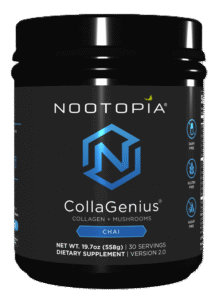
 Collagenius by Nootopia offers a unique blend of mushrooms and collagen-enhancing nutrients. Though collagen is often associated with animal sources, this product is designed to stimulate natural production while supporting brain function and stress resilience.
For additional nutritional support, Xango® Juice by Isagenix delivers a concentrated blend of mangosteen and antioxidant-rich superfruits like grape, cherry, blueberry, and cranberry. This phytonutrient-packed juice naturally contains xanthones and bioflavonoids that help protect cells from oxidative stress, supporting skin health and overall wellbeing. Its clean, additive-free formula makes it an excellent complement to a vegan skincare routine.
The Impact of a Vegan Diet on Hair Growth and Strength
Dietary choices significantly influence hair health. Traditional diets often include animal-based protein and iron. These nutrients are vital for building keratin, the protein that makes up hair strands. Transitioning to veganism without careful planning could initially lead to deficiencies that weaken hair structure, slow growth, and reduce overall hair vitality.
Changes in skin and hair health vary between individuals and depend largely on nutritional balance. Initial protein reduction may weaken hair strands temporarily, making them more prone to breakage. A lack of sufficient iron can also reduce oxygen delivery to hair follicles, slowing down the hair growth cycle and contributing to increased hair fall. Additionally, zinc and vitamin D deficiencies may further contribute to thinning or brittle hair if not addressed.
However, many people experience positive changes once they adapt to a well-balanced vegan diet. Increased consumption of healthy plant fats, such as those found in avocados, flaxseeds, and nuts, can lead to shinier, softer, and more hydrated hair. The antioxidants and vitamins in plant foods may also support a healthier scalp environment, reducing inflammation and improving follicle health.
Essential Nutrients for Strong and Healthy Hair

Adequate protein intake is essential for strong hair. Lentils, tofu, quinoa, chickpeas, and tempeh are excellent vegan sources. Pairing these with whole grains helps ensure a complete amino acid profile. Iron prevents hair thinning by enhancing blood circulation and oxygen delivery to the roots. Spinach, lentils, pumpkin seeds, and fortified cereals supply iron (National Institutes of Health).
Vitamin B12 supports scalp health and hair growth. It plays a key role in red blood cell formation, which carries oxygen to the scalp. Fortified plant milk, nutritional yeast, and B12 supplements are reliable sources. Biotin strengthens hair and supports keratin production. You can find it in almonds, sunflower seeds, sweet potatoes, and oats (Mayo Clinic). Silica is another important nutrient, aiding in elasticity and thickness. It’s found in cucumbers, oats, and leafy greens.
Other helpful nutrients include vitamin D and iodine, which support hair follicle cycling and thyroid health. Mushrooms exposed to sunlight and fortified plant milks are vegan-friendly sources of vitamin D, while seaweed and iodized salt provide iodine. Ensuring a variety of whole plant foods can help maintain optimal hair condition and reduce nutrient gaps during the transition to a vegan lifestyle.
Vegan Skincare and Haircare Strategies
Daily care choices play an important supporting role alongside nutrition. Vegan nutrition skin hair outcomes are easier to maintain when hydration, gentle skincare, and protective habits are consistent. Drinking enough water and consuming moisture-rich fruits help support skin comfort. Natural moisturizers such as shea butter, aloe vera, and hyaluronic acid can reduce dryness and support barrier function. Gentle exfoliation with fruit enzyme-based products encourages cell renewal, while daily sunscreen use protects against UV-related damage. Dietary vitamins C and E further strengthen the skin’s natural defenses.
Effective haircare follows similar principles of consistency and protection. Sulfate-free shampoos and conditioners help preserve moisture and reduce scalp irritation. Deep-conditioning treatments with coconut, avocado, or argan oils replenish hydration and improve flexibility. Regular scalp massages support circulation, while routine trims prevent split ends. Limiting heat styling and chemical treatments helps maintain hair strength and long-term integrity.
Managing Initial Transition Challenges
Temporary skin and hair issues are common during dietary transition. Eating balanced meals rich in protein, healthy fats, and vitamins helps mitigate these issues. Supplements, especially vitamin B12 and iron, can prevent deficiencies during adjustment.
Transitioning to a vegan lifestyle may lead to temporary nutrient imbalances. During this phase, focusing on whole foods, adequate protein intake, and clinically supported supplements can help the body adapt more smoothly and reduce discomfort.
Final Thoughts: Long-Term Skin and Hair Health on a Vegan Diet
Lasting results depend on consistency, balance, and realistic expectations. Vegan nutrition skin hair outcomes vary from person to person, but they are strongly influenced by nutrient intake, daily care habits, and long-term lifestyle choices. While some adjustments may be needed during the transition phase, thoughtful nutritional planning and gentle skincare and haircare routines can support visible improvements over time. Prioritizing essential nutrients, hydration, and protective care helps maintain skin clarity, hair strength, and overall vitality.
For more guidance, consult The Vegan Society and research from Harvard Medical School.
Eco-Certifications in Cosmetics: How to Avoid Greenwashing
How to Wash Your Hair Without Plastic? Alternatives to Liquid Shampoos
Building Healthy Boundaries in Relationships: The Key to Mutual Respect and Emotional Well-Being

I’m Victoria, the creator behind Eva My Balance. Passionate about beauty, wellness, sustainable living, and mindful self-care. My mission is to inspire you to live consciously and beautifully—inside and out.