Why Hair Care Ingredients Matter

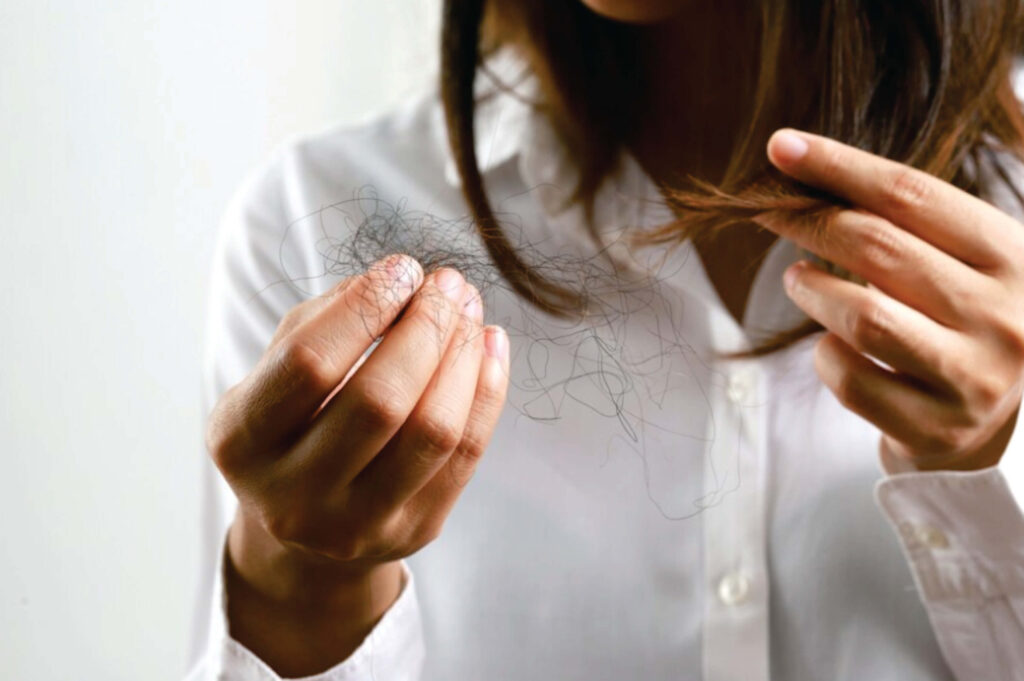
This ultimate hair ingredient guide shows why ingredients matter. Each formula contains components that can support or damage your hair. When you understand what every ingredient does, you avoid dryness, breakage, and excess oil. You also gain control by choosing elements that match your hair type, porosity, and scalp needs.
A 2022 review in the International Journal of Trichology showed that many oils offer clear functional benefits. Some act as emollients and protect the cuticle. Others reduce protein loss, boost elasticity, or provide antimicrobial and UV-protective effects. The authors also noted that many popular claims still lack strong scientific backing, and more research is needed.
Many people online describe similar results. One user said her hair stayed dry for years. Nothing helped until she removed sulfates from her routine. She also added coconut oil and wheat protein. After that, her hair finally stopped snapping during brushing. She noted that this change happened only when she focused on ingredients, not marketing.
Understanding what works helps you create a routine that delivers real results. This ultimate hair ingredients guide explains the most effective components in simple terms.
Essential Oils for Hair Health
Oils nourish, protect, and help maintain moisture. Each oil behaves differently, so choosing the right one matters.
Coconut Oil
Coconut oil penetrates the hair shaft better than most oils. A well-known study in the Journal of Cosmetic Science showed that it reduces protein loss in hair both before and after washing. This makes it ideal for high-porosity hair, which absorbs moisture quickly but struggles to retain it.
A 2022 systematic review in the Journal of Drugs in Dermatology highlighted coconut oil as the only oil with strong clinical evidence for improving brittle hair and protecting the cuticle. Researchers found that it outperformed castor and argan oils in strengthening strands and reducing breakage.
Many people with damaged or bleached hair share dramatic improvements, including fewer split ends and smoother texture after a month of weekly masks.
Argan Oil
Argan oil is rich in vitamin E and essential fatty acids, which boost elasticity and reduce frizz. It hydrates without heaviness and is commonly used for heat-styled, dry hair.
A 2022 study in the Journal of Cosmetic Dermatology found that argan oil protects hair from oxidative damage and reduces protein loss after exposure to harsh chemical agents.

Jojoba Oil
Jojoba oil mimics natural scalp sebum. It helps balance oil production and supports a healthy scalp barrier, making it ideal for oily or combination scalps.
A 2021 review of jojoba oil’s pharmaceutical properties highlighted its strong emollient, anti-inflammatory, and antioxidant effects, along with its long use in scalp care (Gad et al., 2021). These qualities explain why it appears in many cosmetic formulations.
Forum users often report fewer flakes and less itchiness with weekly use. However, current research offers limited evidence that jojoba oil directly stimulates hair growth. It is best viewed as a supportive moisturizer, not a medical treatment for hair loss.
Proteins for Strength and Growth
Proteins restore structure, reduce breakage, and repair damage. They are essential for strengthening weak or chemically treated hair, and this ultimate hair ingredient guide explains why protein-based ingredients matter so much.
A 2022 review in Trends in Biotechnology highlighted extensive evidence for protein-based hair formulations, showing that hydrolyzed proteins and peptides improve strength, elasticity, smoothness, volume, and overall hair fiber quality (Tinoco et al., 2022).
Hydrolyzed Keratin
Hydrolyzed keratin binds to weakened areas of the cuticle and restores strength. A 2020 study in the International Journal of Cosmetic Science found that mid- and high-molecular-weight keratin peptides penetrate relaxed textured hair and improve mechanical resilience, increasing break stress and reducing premature breakage.

Hydrolyzed Wheat Protein
This lightweight protein adds volume and smoothness without weighing hair down, making it ideal for fine or limp strands.
Silk Protein
Silk protein boosts shine and improves moisture retention, giving hair a soft, smooth finish. A 2005 study published in the Indian Journal of Biotechnology demonstrated that silk fibroin significantly increases hydration, enhances softness, and improves the flexibility of keratin-based tissues (Daithankar et al., 2005). These moisturizing effects make silk protein especially helpful for brittle, dry, or rough hair textures.
Plant-Based Extracts for Hydration and Growth
Botanical extracts support scalp comfort and overall hair health. They are rich in antioxidants, vitamins, and soothing compounds. Most of them work well for all hair types, especially sensitive scalps.
Aloe Vera
Aloe vera hydrates the scalp and reduces irritation. It helps soften dry roots and calm redness. Many people choose aloe after harsh shampoos cause sensitivity. Forum users often say aloe “saved” their scalp and reduced flakiness without heaviness.
Chamomile
Chamomile soothes the skin and reduces inflammation. It also protects the scalp from oxidative stress.
A 2010 review in Molecular Medicine Reports highlighted chamomile’s strong antioxidant and calming properties. These benefits make it helpful for irritated or reactive scalps. Regular use can also enhance shine and create gentle natural lightening.
Rosemary
Rosemary extract stimulates circulation and supports healthy hair growth.
A study in Skinmed showed that rosemary oil worked as effectively as 2% minoxidil over six months, with fewer side effects. Many users report thicker strands and reduced shedding after consistent scalp massages.
Creating the Best Hair Care Routine
Individual ingredients help, but the biggest improvements appear when you combine them in the right way. This ultimate hair ingredient guide explains how simple pairings can create a routine that supports strength, shine, hydration, and scalp comfort.
For Repair and Hydration
Coconut oil + hydrolyzed keratin
This combination targets damaged cuticles and weak strands. Coconut oil penetrates deeply and reduces protein loss. Keratin fills gaps in the cuticle and improves elasticity. Together, they make stressed hair stronger and more flexible. People with bleached or heat-styled hair see the fastest changes.
For Shine and Smoothness
Argan oil + silk protein
Argan oil softens the hair and reduces frizz without heaviness. Silk protein boosts moisture and adds a smooth, glossy finish. This duo works well for medium and coarse textures. It also helps hair stay sleek in humid weather.
For Growth and Scalp Comfort
Aloe vera + rosemary extract
Aloe hydrates dry roots and calms irritation. Rosemary can improve circulation and support healthier regrowth. This pairing suits people with shedding, sensitivity, or itchiness. Many users say it helps reduce flakes and gives a cleaner, lighter feel at the roots.
How to Choose the Right Pairing
Hair porosity explains how easily your hair absorbs and loses moisture:
- High porosity hair needs rich oils and proteins because it loses water fast.
- Low porosity hair prefers lightweight oils and botanical extracts because heavy formulas sit on the surface.
- Medium porosity hair handles most ingredients well and benefits from balanced routines.
Many people learn their ideal routine only after experimenting. One forum user wrote that aloe and rosemary reduced her shedding, while silk protein added smoothness without losing volume. Small adjustments like these can create big improvements over time.
Avoiding Harmful Additives
Helpful ingredients matter, but avoiding harsh additives is just as important. Many commercial formulas still contain components that dry the hair, irritate the scalp, or disrupt the skin barrier. Removing these elements often improves hair health within weeks.
Sulfates
Sulfates clean very aggressively. They strip natural oils and weaken the scalp barrier. People with dry or curly hair often see more frizz and breakage after regular sulfate use. Switching to sulfate-free shampoos usually leads to softer and calmer strands.
Parabens
Parabens help preserve products, but they may disrupt the scalp microbiome. Some studies suggest they can affect the balance of beneficial microorganisms. Because of this, many dermatologists recommend avoiding parabens when possible, especially for sensitive or irritated scalps.
Synthetic Fragrances
Synthetic fragrances are common irritants. They often contain dozens of unnamed chemicals. A review in Dermatitis identified synthetic fragrance components as leading triggers of scalp sensitivity. People with eczema, dermatitis, or chronic dryness benefit from fragrance-free or naturally scented alternatives. Reading labels helps you avoid unnecessary reactions.
Final Thoughts
Choosing the right oils, proteins, and plant extracts helps you build a routine that supports your unique needs. Natural, science-backed ingredients make hair stronger, shinier, and more resilient.
This ultimate hair ingredient guide offers clarity to choose what works, avoid what doesn’t, and create a routine that delivers visible, long-lasting results.
Discover the Benefits of DIY Haircare: Why Crafting Your Own Products Is a Game-Changer
Caring for Damaged Hair: Masks and Conditioners to Restore Strength and Shine

I’m Victoria, the creator behind Eva My Balance. Passionate about beauty, wellness, sustainable living, and mindful self-care. My mission is to inspire you to live consciously and beautifully—inside and out.