Shaving is a common grooming routine, but it does not always leave your skin feeling smooth. If you often deal with redness, razor burn, or ingrown hairs, you are not alone. Many people experience irritation simply because of small mistakes in their routine, which is why learning how to prevent irritation after shaving is so important.
With the right preparation, tools, and aftercare, you can significantly reduce discomfort and keep your skin calm, healthy, and comfortable.
According to the American Academy of Dermatology, razor friction and dry shaving are among the main causes of irritation. A study published in the Journal of Dermatology found that shaving can lead to common skin problems such as irritation, dryness, razor burn, and small cuts, especially when proper preparation and aftercare are not followed.

Prepare Your Skin Before Shaving
Why Skin Preparation Matters
Proper preparation is one of the most important steps to prevent irritation after shaving. It softens hair, opens pores, and allows the razor to glide smoothly across the skin.
Skipping this step is one of the most common reasons people experience post-shave redness and discomfort.
Exfoliate the Skin
Exfoliating removes dead skin cells and helps prevent clogged pores. Research on pseudofolliculitis barbae shows that ingrown hairs can occur when shaved hairs grow back into the skin, causing inflammation, and keratolytic treatments that remove excess dead skin may help reduce this risk.
This step lifts hair away from the skin, allowing for a cleaner and smoother shave.
Hydrate the Skin
Shaving dry skin greatly increases the risk of irritation. Dermatologists at the Cleveland Clinic recommend wetting your skin with warm water before shaving, ideally during or after a shower, to soften the skin and help the razor glide more easily.
Ideally, shave after a warm shower. This softens hair follicles and makes shaving easier and safer.
Use a High-Quality Shaving Cream or Gel
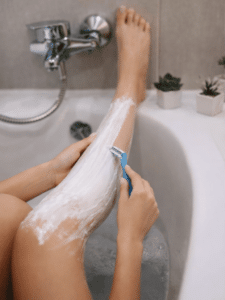
A good shaving cream creates a protective barrier between your skin and the razor. This reduces friction and helps prevent irritation after shaving.
Look for products with soothing ingredients such as:
- aloe vera
- shea butter
- coconut oil
Avoid formulas with alcohol or harsh chemicals, as they can dry out and irritate the skin.
Proper preparation not only improves the shaving process but also protects your skin barrier. When your skin is well-prepared, the razor glides more easily, reducing the need for multiple passes. Fewer passes mean less friction, which directly helps reduce irritation and redness.
In addition, preparing your skin properly can make your shaving routine faster and more effective. You spend less time correcting mistakes and more time enjoying smooth, comfortable skin.
Choose the Right Razor
The razor you use plays a major role in how your skin reacts after shaving.
Use a Sharp Razor
Dull blades pull hair instead of cutting it cleanly. This leads to irritation, razor burn, and ingrown hairs.
Replacing your razor regularly ensures a smoother shave and less damage to your skin.
Select the Right Type of Razor
Multi-blade razors can provide a close shave with fewer passes. However, for sensitive skin, single-blade or safety razors may be a better option.
They reduce repeated contact with the skin and help minimize irritation.
Clean Your Razor After Every Use
Always rinse your razor thoroughly after shaving. This removes buildup of hair, cream, and bacteria.
Store it in a dry place to prevent contamination and keep it in good condition.
Another important factor is how often you replace your razor. Even if a blade looks clean, it can become less effective after several uses. Overused blades require more pressure and repeated strokes, which increases the risk of irritation.
If you notice that your razor is tugging at hair or leaving uneven results, it is time to replace it. Keeping your tools in good condition is one of the simplest ways to maintain healthy skin.
Proper Shaving Techniques
Even with the best products, poor technique can still cause irritation.
Shave in the Direction of Hair Growth
Shaving against the grain may feel smoother, but it often leads to ingrown hairs and irritation.
Shave in the direction of hair growth first. If needed, you can gently go across the grain afterward.
Avoid Pressing Too Hard
Applying too much pressure damages the skin and increases the risk of cuts and razor burn.
Let the razor glide gently. A light touch is enough.
Rinse the Blade Often
A clogged blade does not cut properly and can pull on the skin. Rinse your razor frequently during shaving to keep it clean and effective.
It is also important to take your time while shaving. Rushing often leads to uneven pressure, missed areas, and accidental cuts. Creating a calm, steady routine allows you to be more precise and gentle with your skin.
Using short, controlled strokes instead of long, fast movements can also help reduce irritation. This technique gives you better control and prevents unnecessary stress on the skin.
Personal Experience
For years, I experienced redness and discomfort after shaving. No matter what I tried, my skin would often feel irritated. At one point, I switched to using an epilator, which improved my skin condition significantly. However, I still use a razor when I do not have enough time.
The difference now is in my routine. I carefully prepare my skin, use better products, and follow proper shaving techniques. Since making these changes, my skin feels much calmer, and irritation happens far less often.
After-Shave Care to Prevent Irritation
Taking care of your skin after shaving is just as important as preparation.
Rinse with Cool Water
Cool water helps close pores and reduce redness. It also removes any leftover shaving product.
Apply a Gentle Moisturizer
Use a fragrance-free, alcohol-free moisturizer to hydrate and soothe your skin.
Look for calming ingredients like:
- aloe vera
- chamomile
- panthenol
This step helps your skin recover and prevents dryness.

Avoid Touching the Skin
Freshly shaved skin is sensitive. Touching or scratching it can introduce bacteria and cause irritation.
If needed, apply a soothing balm or use a cold compress.
Another helpful step is applying products that support skin repair. Ingredients such as niacinamide or hyaluronic acid can strengthen the skin barrier and improve hydration levels.
Consistent aftercare not only reduces immediate irritation but also improves your skin over time. Healthy skin becomes more resilient and less prone to redness and sensitivity after shaving.
Preventing Ingrown Hairs and Razor Burn
A few extra habits can make a big difference in keeping your skin irritation-free.
Use Soothing Aftershave Products
Ingredients like witch hazel, tea tree oil, or salicylic acid can help prevent ingrown hairs and calm the skin.
Avoid Tight Clothing After Shaving
Tight clothing creates friction and traps moisture, which can irritate freshly shaved skin.
Choose loose, breathable fabrics instead.
Give Your Skin Time to Recover
Shaving too often increases irritation. Allow your skin time to heal between shaves whenever possible.
You can also use an electric trimmer occasionally to reduce stress on the skin.
Quick Checklist to Prevent Irritation After Shaving
- Shave only on clean, hydrated skin
- Use a sharp and clean razor
- Apply a quality shaving cream or gel
- Shave in the direction of hair growth
- Avoid applying pressure
- Rinse with cool water after shaving
- Moisturize immediately
Final Thoughts
Learning how to prevent irritation after shaving is not about using expensive products. It is about following the right steps and being gentle with your skin.
With a few simple changes, you can transform your shaving routine. Your skin will feel smoother, look healthier, and stay irritation-free much more often. Over time, these small habits create a noticeable difference, turning shaving into a more comfortable and even enjoyable part of your self-care routine.
Caring for Damaged Hair: Masks and Conditioners to Restore Strength and Shine
Natural Solutions for Hair Loss: Herbs, Oils, and DIY Masks

I’m Victoria, the creator behind Eva My Balance. Passionate about beauty, wellness, sustainable living, and mindful self-care. My mission is to inspire you to live consciously and beautifully—inside and out.