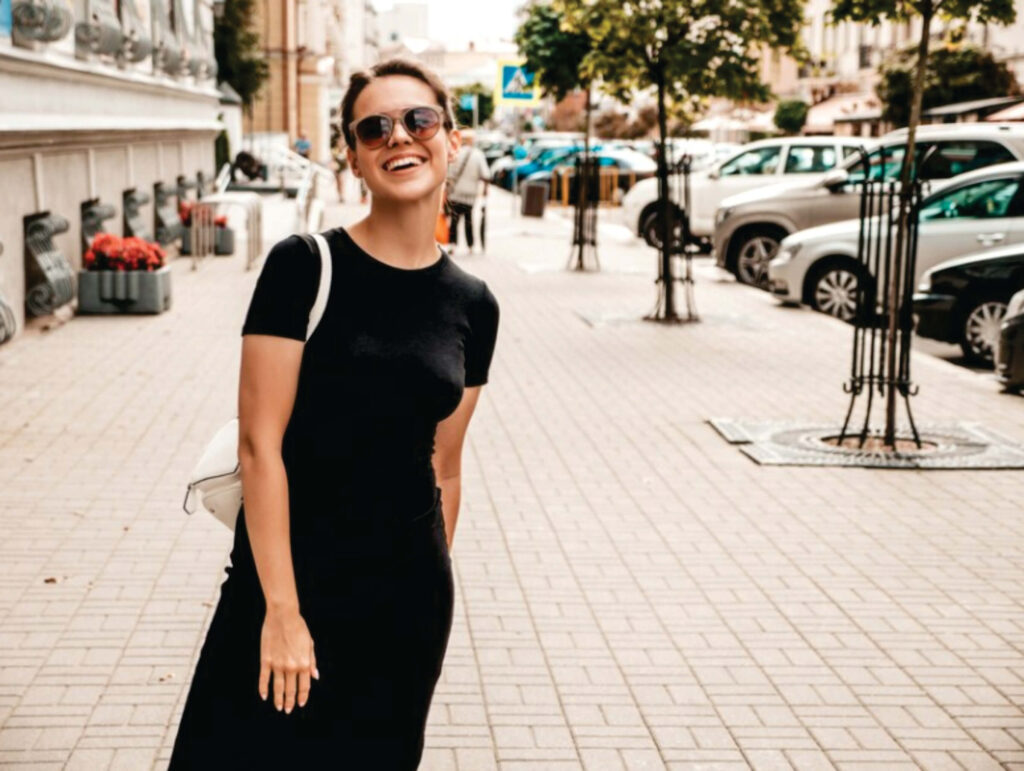
Every fashion season introduces new runway trends that capture attention with bold silhouettes, unexpected textures, and artistic concepts. While these looks are inspiring, many people find them difficult to translate into real-life outfits. Dramatic proportions, unconventional materials, and statement styling often feel disconnected from daily routines.
However, runway fashion does not exist solely to be admired from afar. When approached thoughtfully, it can become a valuable source of inspiration for everyday style. The key lies in adaptation rather than imitation. This approach allows runway inspiration to evolve into runway style everyday outfits that feel realistic, comfortable, and aligned with modern lifestyles.
This guide explores how to bridge the gap between high fashion and daily wear, helping you build outfits that feel modern, practical, and confidently styled.
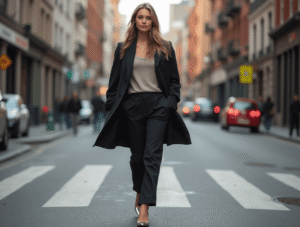
Why Runway Trends Often Feel Unwearable
Runway collections are designed to communicate ideas rather than provide ready-made solutions for daily dressing. Designers use the runway to experiment with form, movement, color, and emotion. As a result, the looks presented are often exaggerated or stylized for impact rather than practicality.
Many runway outfits feature extreme proportions, layered constructions, or fabrics that are difficult to maintain outside a controlled environment. While visually striking, these elements can feel overwhelming for work, errands, or casual social settings.
That said, runway fashion still offers valuable insight. Trends often begin as bold statements before being refined for everyday use. By identifying the core idea behind a look—whether it is a color palette, silhouette, or texture—you can adapt it in a way that suits your lifestyle.
Understanding the Difference Between Runway and Everyday Fashion
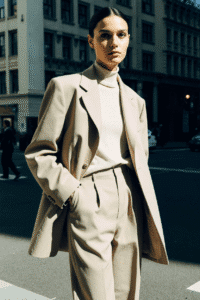
Successfully translating runway trends starts with understanding how runway fashion differs from everyday clothing.
Runway Fashion
- Experimental cuts and dramatic proportions
- Intricate construction and bold layering
- High-impact fabrics such as sequins, silk, or heavy embellishment
- Concept-driven styling focused on visual storytelling
Everyday Fashion
- Comfortable, versatile silhouettes
- Breathable, durable fabrics
- Pieces that transition easily between settings
- Styling that supports movement and practicality
Recognizing these differences makes it easier to borrow inspiration without pressure to recreate an entire look.
Step 1: Select the Most Practical Elements
Not every runway trend deserves a place in your wardrobe. Instead of copying looks exactly, focus on individual elements that are wearable and adaptable.
Color Trends
Runway colors are often bold and expressive. In daily wear, they work best in moderation. A bright sweater, handbag, or pair of shoes can refresh a neutral outfit without overpowering it.
Textures and Fabrics
Trendy materials such as faux leather, satin, or sheer fabrics are easier to wear when layered. A satin blouse under a blazer or a sheer top over a simple tank adds interest while remaining practical.
Silhouettes and Shapes
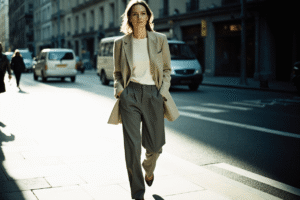
Oversized pieces dominate many runways. To make them wearable, balance volume with structure. Pair wide-leg trousers with a fitted top or an oversized blazer with straight-leg jeans.
Patterns and Prints
Statement prints translate well through accessories or single garments. Scarves, shoes, or bags allow experimentation without overwhelming your look.
Layering Techniques
Runway layering is often complex, but everyday layering focuses on function. Coats, vests, cardigans, and structured blazers recreate depth in a practical way.
Step 2: Integrate Statement Pieces Wisely
One statement piece is often enough to elevate an outfit. Rather than recreating a full runway ensemble, let a single standout item become the focal point.
Power Blazers
An oversized or sharply tailored blazer instantly adds polish when worn over a basic top and jeans.
Dramatic Sleeves
Voluminous sleeves add visual interest. Balance them with slim trousers or simple skirts for proportion.
Metallic and Shimmering Details
Instead of full metallic looks, choose subtle accents such as belts, heels, or handbags.
Structured Handbags
A sculptural bag modernizes even minimal outfits and adds a designer-inspired edge.
Unique Footwear
Bold shoes are one of the easiest ways to reference runway trends without overdoing them.
By focusing on balance and proportion, runway concepts naturally transform into runway style everyday outfits that feel intentional rather than costume-like.
Step 3: Blend Trendy and Classic Pieces 
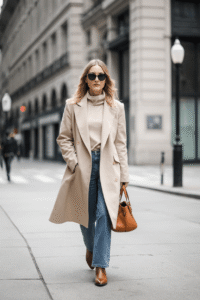
A wearable wardrobe relies on balance. Timeless staples provide structure, while trends bring freshness.
Effective combinations include:
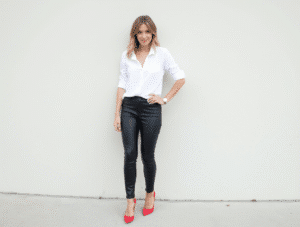
- Faux leather trousers with a crisp button-down for a modern yet polished look
- A tailored coat layered over cozy knitwear for colder months
- Bold footwear paired with simple denim
- A corset-inspired top balanced with relaxed trousers
- A vibrant jacket layered over neutral basics
- Sheer fabrics styled with structured layers
Blending trends with classics ensures versatility and longevity.
Step 4: Use Accessories to Infuse Trends Subtly
Accessories are one of the easiest ways to experiment with runway trends. They offer flexibility without requiring a full wardrobe update.
Chunky Jewelry
Statement necklaces or bold earrings transform simple outfits.
Mini Bags and Clutches
Small, structured bags reflect current trends while remaining functional.
Over-the-Knee Boots
They add a contemporary edge when paired with jeans, skirts, or knit dresses.
Trendy Sunglasses
Geometric or oversized frames update your look instantly.
Statement Belts
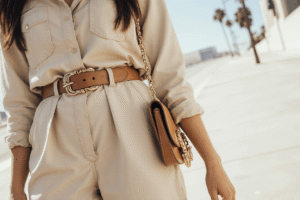
Belts redefine silhouettes and add structure to dresses, coats, and blazers.
Hair Accessories
Sleek headbands or sculptural clips refresh everyday hairstyles.
Accessories and thoughtful color choices play a major role in shaping runway style everyday outfits without dramatic wardrobe changes.
Step 5: Make Trendy Colors Work for You
Not every runway color suits every skin tone or personal style. Adapting colors makes trends more wearable.
- Replace neon shades with muted or earthy tones
- Use bold colors as accents rather than full outfits
- Pair vibrant hues with neutrals for balance
- Experiment with monochrome looks using varied textures
- Choose prints that incorporate trendy colors subtly
Personalized color choices help trends feel natural rather than forced.
Step 6: Confidence Is the Final Styling Element
Confidence is just as important as clothing. When you feel comfortable, even fashion-forward choices appear effortless.
Helpful reminders:
- Start with small details before embracing bold trends
- Choose styles that reflect your personality
- Balance trend-driven pieces with classics
- Experiment until combinations feel right
- Adapt trends to your lifestyle, not the other way around
Final Thoughts: Making Runway Fashion Work for You
Incorporating runway trends into daily life is not about copying looks directly from the catwalk. It is about understanding the ideas behind them and translating those ideas into wearable combinations.
By selecting key elements, balancing statement pieces with basics, using accessories wisely, and adapting colors thoughtfully, you can create runway style everyday outfits that support comfort, confidence, and personal expression.
Fashion should enhance individuality, not limit it. Use trends as inspiration, experiment freely, and make them your own.
For expert fashion insights and trend analysis, visit Vogue.

I’m Victoria, the creator behind Eva My Balance. Passionate about beauty, wellness, sustainable living, and mindful self-care. My mission is to inspire you to live consciously and beautifully—inside and out.