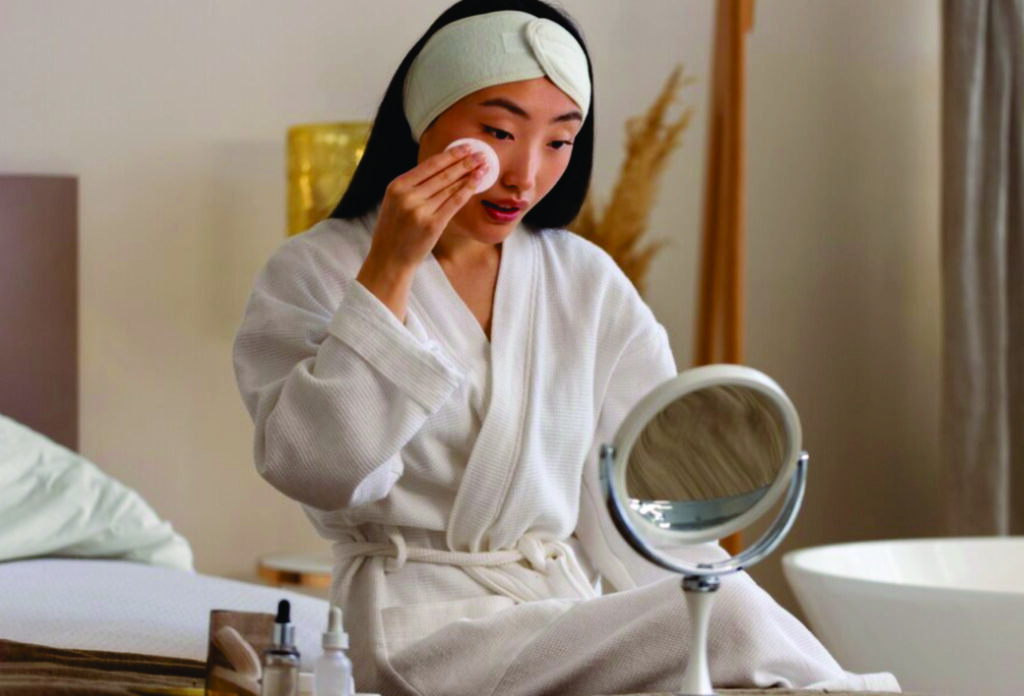
Selecting the right skincare ingredients is essential for maintaining a vibrant, youthful complexion. Among the most powerful and scientifically proven elements are peptides. These short amino acid chains serve as essential building blocks for proteins like collagen and elastin, which keep skin firm, smooth, and hydrated. As skincare continues to advance, peptides have emerged as a must-have ingredient for those aiming to maintain healthy and resilient skin. This article explores their benefits, different types, and practical ways to integrate them into a daily regimen.
Why Peptides in Skincare Have Gained Scientific Attention
In recent years, peptides in skincare have gained strong attention from both researchers and dermatologists. This shift reflects a broader movement toward biologically supportive skincare ingredients. Instead of stripping the skin, peptides reinforce natural processes already present in healthy skin. They support skin function without forcing rapid cell turnover.
Scientific interest in peptides continues to grow because of their high specificity. Each peptide sends a precise signal to skin cells. This precision helps reduce the risk of unnecessary irritation. As a result, peptides are often well tolerated by sensitive or compromised skin types. Unlike stronger actives, peptides do not rely on inflammation to create visible effects.
Many dermatologists now describe peptides as foundational skincare ingredients. They are especially valuable in preventative routines focused on long-term skin health. The goal is maintaining collagen integrity, hydration, and barrier strength over time. This makes peptides suitable for both mature and younger skin. Many people use them to slow early signs of aging.
As a result, peptides in skincare are increasingly viewed as long-term partners for skin health. They are no longer considered short-lived or trend-driven ingredients.
Understanding Peptides and Their Importance in Skincare
Peptides are smaller than full protein molecules. This allows them to interact more easily with the outer skin layers. Their size supports signaling processes linked to collagen-related activity.
A scientific review published in Frontiers in Medicine reports that exposure to collagen peptides increased the expression of genes related to collagen, elastin, and extracellular matrix production in cultured human dermal fibroblasts. The authors observed enhanced fibroblast activity associated with skin firmness and structural support over time.
Different Types of Peptides and Their Functions
There are various types of peptides, each serving a unique role in skin health. Understanding these differences can help you choose peptide-infused products based on actual skin needs rather than marketing promises.
Signal peptides stimulate collagen and elastin synthesis, promoting firmer, more youthful-looking skin. Carrier peptides transport essential trace elements such as copper and magnesium, which play a role in wound healing and enzymatic repair.
Enzyme-inhibiting peptides slow collagen degradation, helping preserve existing skin structure and elasticity.
Neurotransmitter peptides reduce repetitive muscle contractions, softening expression lines over time.
Clinical evidence published in the Journal of Cosmetic Dermatology demonstrates measurable reductions in wrinkle number and depth after consistent use of a multi-peptide topical formulation, alongside improvements in skin smoothness and elasticity (Li et al., 2023).
The Key Benefits of Peptides in Skincare
Enhancing Collagen Production for Firmer Skin
Collagen is the primary structural protein in the skin. Peptides encourage the skin to generate more collagen, which improves elasticity and firmness. With regular use, skin texture often becomes smoother and more resilient rather than temporarily tightened.
Reinforcing the Skin Barrier for Long-Lasting Hydration
A strong skin barrier prevents moisture loss and protects against environmental stressors. Peptides help reinforce this barrier, making skin more resilient to irritation and dehydration. When combined with ceramides or hyaluronic acid, peptides significantly improve moisture retention and skin comfort.
Minimizing Wrinkles and Fine Lines
Aging skin gradually loses elasticity. Peptides support a plumper appearance by maintaining collagen structure and improving skin density. Unlike instant wrinkle fillers, they work gradually, delivering more natural-looking results over time.
Supporting Skin Repair and Reducing Sensitivity 
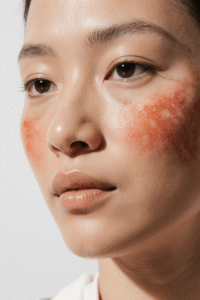
Peptides can support skin recovery by reinforcing the barrier and calming stress-related irritation. A review in Dermatologic Therapy describes cosmeceutical peptides as ingredients that may help improve signs of aging while also supporting skin repair processes, including pathways linked to inflammation. A more recent randomized, double-blind clinical trial of a topical peptide formulation also reported improved barrier function metrics (including TEWL-related measures) and changes in inflammatory markers over 12 weeks.
This aligns with real-world feedback from skincare communities. Users on forums such as BeautyTalk Asia and Reddit skincare groups often describe peptide-focused routines as soothing after overuse of acids or retinoids. Many report less tightness and redness within a few weeks, even before major visible changes appear.
Brightening Skin and Improving Tone
By supporting cell turnover and reducing low-grade inflammation, peptides contribute to a more even skin tone and healthier radiance. When paired with ingredients like niacinamide, they can help reduce dullness and improve clarity without irritation.
Protection Against Environmental Damage
Environmental stressors such as pollution and UV radiation accelerate collagen breakdown. Peptides strengthen the skin’s defense systems by supporting barrier integrity and reducing oxidative stress, helping slow premature aging.
Peptides in Skincare: Real-World User Experience
Clinical studies focus on measurable outcomes such as collagen synthesis and wrinkle depth. Real-world experience offers additional insight into how peptides in skincare perform daily. Many users describe peptides as “quiet” ingredients. They do not cause dramatic overnight changes. Instead, they improve overall skin behavior gradually over time.
Discussions on skincare forums often highlight peptides as a recovery-focused solution. Users frequently report introducing peptide products after periods of overuse of exfoliating acids or retinoids. In these cases, peptides are credited with reducing tightness, calming redness, and restoring a sense of balance to the skin.
Another commonly mentioned benefit is improved skin tolerance. Users note that skin becomes less reactive to environmental stressors such as temperature changes, pollution, or dry indoor air. Some also report that makeup applies more smoothly once skin texture stabilizes, even before visible wrinkle reduction becomes noticeable.
Experienced users consistently emphasize patience. Improvements are often reported after several weeks rather than days, which closely mirrors the biological timeline of collagen remodeling. This alignment between user feedback and scientific understanding reinforces the role of peptides as long-term supportive ingredients rather than quick cosmetic fixes.
How to Incorporate Peptides into Your Skincare Routine
To maximize benefits, peptides should be used consistently and correctly.
Common peptide-based formats include:
- Serums for concentrated delivery
- Moisturizers for daily maintenance
- Eye creams for fine lines and puffiness
- Sheet masks for occasional reinforcement
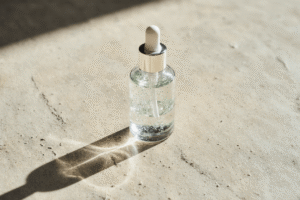
 Apply peptide products after cleansing and before heavier creams. Gentle patting improves absorption. Peptides work well with hydrating and barrier-repair ingredients but should not be layered directly with strong exfoliating acids or low-pH treatments in the same routine, as this may reduce their effectiveness.
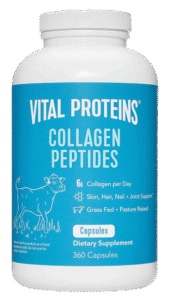
While peptides in skincare support skin function topically, some people also include collagen peptides as part of a broader wellness routine. Vital Proteins Collagen Peptides Capsules use collagen peptides sourced from grass-fed, pasture-raised bovine hides. The capsule format allows for easy daily use. Reviews often mention gradual improvements in skin smoothness, hair, or nail strength. These changes tend to appear over time rather than immediately. This pace reflects the slow biological turnover of collagen. As with any supplement, results vary and work best alongside a balanced diet and consistent topical skincare.
Debunking Common Myths About Peptides
A common misconception is that peptides provide instant anti-aging results. In reality, they require consistent use over several weeks. Another myth suggests that all peptides work the same way, which overlooks their distinct biological functions.
Although neurotransmitter peptides may soften expression lines, they are not a replacement for injectable treatments. They remain, however, a valuable non-invasive option for long-term skin maintenance. Contrary to some claims, peptides work well with many active ingredients when routines are balanced and not overly aggressive.
Expert Insights and Final Thoughts
Dermatologists frequently recommend peptides as part of long-term skincare strategies. According to Healthline, peptides are most effective when combined with hydration, barrier support, and daily sun protection.
Peptides deserve a place in skincare because they support how skin functions biologically. They strengthen structure, improve resilience, and enhance recovery without overwhelming the skin. While results require patience, they are sustainable and aligned with healthy aging rather than quick cosmetic fixes.
How to Choose Natural and Eco-Friendly Cosmetics?

I’m Victoria, the creator behind Eva My Balance. Passionate about beauty, wellness, sustainable living, and mindful self-care. My mission is to inspire you to live consciously and beautifully—inside and out.