Morning sunlight does far more than brighten the day. One of the key morning sunlight benefits is its ability to regulate sleep, mood, and daily energy levels. Research shows that exposure to natural light soon after waking helps synchronize the body’s circadian rhythm, the internal system that controls when we feel alert and when we feel sleepy.
Even ten to thirty minutes of daylight early in the day may support better sleep quality, improved concentration, and more stable mood patterns. Simple habits, such as stepping outside shortly after waking, can influence the body’s internal timing.
Your brain reads the first light of morning as a biological signal. Specialized cells in the retina detect brightness and send information to the brain’s master clock in the suprachiasmatic nucleus, helping reset clocks throughout the body (LeGates et al., 2014).
I have noticed this effect in my own mornings as well. I prefer to sleep with the curtains slightly open so that soft dawn light can enter the room. When natural light gradually fills the space, waking up feels easier and more natural.

How Light Regulates Your Inner Clock
The human body follows a near-24-hour rhythm known as the circadian cycle. This internal system controls sleep timing, hormone release, body temperature, digestion, and cognitive alertness. Light is the most powerful cue that regulates this clock.
Specialized retinal cells, distinct from those used for vision, detect brightness and send signals to the brain’s master clock in the suprachiasmatic nucleus. From there, timing information spreads throughout the body, adjusting hormones, body temperature, and sleep pressure (LeGates et al., 2014).
The timing of light exposure makes a major difference. Bright light in the early morning tends to advance circadian rhythms, making people feel sleepy earlier in the evening and wake earlier the next day (Khalsa et al., 2003). In contrast, exposure to bright light late at night can delay the clock, shifting sleep and wake times to later hours (St Hilaire et al., 2012).
The Phase Response Curve
Scientists mapped these patterns using what researchers call the phase response curve. In laboratory experiments, participants were exposed to bright light at carefully controlled times of day. The results showed predictable shifts in biological rhythms.
Morning light consistently moved the circadian clock earlier, while late-night light delayed it. This explains why spending time outside early in the day can make it easier to fall asleep at night and wake naturally the next morning.
Understanding this mechanism helps explain many of the morning sunlight benefits people experience when they begin prioritizing daylight exposure.
Morning Light, Melatonin, and Alertness 

Melatonin is often called the sleep hormone because it signals biological night. Darkness triggers its release, while light suppresses it.
Even ordinary indoor lighting can influence melatonin timing. A large study found that exposure to room light in the evening delayed melatonin onset and shortened its duration (Gooley et al., 2011).
Morning light works in the opposite direction. Exposure to daylight soon after waking suppresses remaining melatonin and promotes alertness. This is why stepping outside often makes people feel awake faster than staying indoors.
Outdoor light is also far brighter than indoor illumination. Even on cloudy days, daylight can be several times stronger than typical office lighting.
Evidence from Natural Light Studies
Field studies illustrate how powerful this difference can be. When people spend more time outdoors during the day and reduce artificial light at night, their circadian rhythms tend to shift earlier.
One well-known series of experiments involved weekend camping trips where participants lived without artificial lighting. After several days outdoors, their sleep patterns naturally synchronized with sunrise and sunset. Their internal clocks shifted earlier even without alarms or strict schedules (Wright et al., 2013).
These findings highlight practical morning sunlight benefits that occur when daily routines align more closely with natural light cycles.
Why Winter Mornings Feel Harder
Many people notice that waking becomes more difficult during winter months. I experience this as well. The sun rises later, and mornings often begin in darkness.
This reaction is not only psychological. It reflects changes in the circadian system. When sunrise occurs later, the brain receives a weaker morning signal. As a result, the internal clock may remain shifted later than daily schedules require.
Social obligations such as work or school can then force people to wake before their biological clock is ready. This mismatch creates a feeling sometimes described as social jet lag.
Shorter daylight hours can also influence mood. Seasonal affective disorder (SAD) represents a stronger form of this effect.
What Morning Light Does for Mood and Learning
Light influences far more than sleep. The same retinal cells that detect brightness also send signals to regions of the brain involved in emotional regulation and cognitive function.
Because of these pathways, irregular light exposure can affect mood even when sleep loss is minimal. Regular daylight exposure helps stabilize circadian rhythms, which in turn supports emotional balance and mental performance.
Researchers increasingly link consistent light exposure with better learning, improved concentration, and greater emotional resilience. These connections add another dimension to the morning sunlight benefits observed in both laboratory studies and real-world environments.
A Daily Routine That Works
You do not need a mountain sunrise to benefit from natural light. Small, consistent habits can make a meaningful difference.
Step Outside Early
Try to spend time outdoors soon after waking. Ten to thirty minutes of daylight is often enough to support circadian alignment. Even cloudy days provide useful light exposure.
If going outside immediately is not possible, sitting near a bright window can still help. Adding a short walk later in the morning strengthens the effect.
Keep Evenings Dim
Bright lighting close to bedtime can delay melatonin production. Warm lamps and softer lighting create a clearer signal that night has begun.
Reducing screen brightness during the evening also helps. If devices are necessary, activating night-mode settings can reduce blue light exposure.
Consistency matters as well. The circadian clock learns patterns. When morning light arrives at roughly the same time each day, the signal becomes stronger.
Over time, this routine can lead to earlier sleepiness and more natural waking.
Light Boxes During Dark Seasons
In regions with long winter nights, some people benefit from light therapy devices. These light boxes typically deliver between 2,500 and 10,000 lux, which is far brighter than standard indoor lighting.
Clinical reviews support their use for seasonal affective disorder and certain circadian rhythm disorders. Morning sessions are usually recommended because they help advance the biological clock.
However, individuals with eye conditions, migraines, or bipolar disorder should consult a healthcare professional before using light therapy.
Why Timing Matters
The timing of light exposure determines whether the circadian clock shifts earlier or later. This principle is described by the phase response curve.
Light late at night delays the clock and pushes sleep times later. Light early in the morning advances the clock, making it easier to wake earlier and fall asleep sooner.
Even relatively short periods of bright light can produce measurable changes in circadian timing. Dawn exposure is especially effective because it occurs during a sensitive phase of the circadian cycle.
Behavior That Reinforces Light Signals
Light is the strongest circadian cue, but everyday habits can reinforce it.
Waking at a consistent time and seeking light soon afterward strengthens circadian signals. A short morning walk combines movement and light exposure, increasing alertness and supporting mood.
Eating the first meal after light exposure may also help synchronize peripheral clocks throughout the body. Meanwhile, reducing bright lighting two to three hours before bedtime helps the brain prepare for sleep.
Lower screen brightness and warmer color settings in the evening can also support healthier circadian timing.
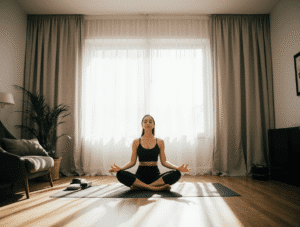
What Changes to Expect
Most people notice gradual improvements after increasing morning light exposure. Within several days, falling asleep may become easier. Waking can also feel more natural.
After a week or two, circadian rhythms often stabilize further. Studies conducted in natural outdoor environments suggest that stronger light exposure can shift the biological clock even faster.
Mood improvements may follow as sleep patterns become more regular.
My Personal Experience
I enjoy the quiet promise of early morning. Leaving the curtains slightly open allows soft dawn light to enter the room before I wake.
When the room stays completely dark, waking often feels slower. But when natural light gradually fills the space, getting up feels easier and more natural.
Coffee tastes better, work begins sooner, and the whole day seems to start with greater clarity.
Troubleshooting Common Challenges
People often face practical obstacles when trying to increase morning light exposure.
If you wake before sunrise in winter, a light box can provide a helpful substitute. Those with changing schedules can focus on one stable cue: seeking light soon after waking.
If evenings feel restless, reviewing indoor lighting may help. Bright kitchen lights, bathrooms, and LED fixtures are common sources of unwanted late-night brightness.
Adjusting nap timing or reducing late afternoon naps can also support better nighttime sleep.
Travelers can use timed light exposure strategically. Morning light helps shift the clock earlier during eastward travel, while afternoon light can help adjust to westward journeys.
A Gentle Winter Strategy
Winter reduces natural light, especially during the morning hours. Restoring this signal intentionally can help maintain circadian balance.
Wake at a consistent time whenever possible. Seek outdoor light within the first hour after waking. If mornings remain dark, consider using light therapy.
Keeping evenings calm and dim helps reinforce the contrast between day and night. Adding light movement in the morning, such as a short walk, strengthens the signal further.
These simple habits gradually rebuild the natural dawn cue that supports healthy circadian rhythms.
Conclusion
Morning light is a small daily habit with surprisingly large effects. Exposure to daylight soon after waking helps regulate circadian rhythms, increase alertness, and support emotional balance.
Among the many morning sunlight benefits, the most important may be how this natural signal aligns the body with the rhythm of the day.
Open the curtains. Step outside when you can. Protect your evenings from excessive light. Your biology is ready to follow the sunrise.
Upgrade Your Mind: 23 Media Platforms for Smarter Living

I’m Victoria, the creator behind Eva My Balance. Passionate about beauty, wellness, sustainable living, and mindful self-care. My mission is to inspire you to live consciously and beautifully—inside and out.