In a world driven by constant consumption, many people feel overwhelmed by clutter, stress, and endless choices. Homes are filled with вещей, schedules become overloaded, and spending often happens without much thought. This is where minimalism and sustainability come together as a powerful and practical lifestyle.
Instead of focusing on having more, this approach encourages you to focus on what truly matters. It helps you reduce waste, simplify your environment, and build habits that support both your well-being and the planet.
If you have ever felt mentally tired from too many decisions or frustrated by unnecessary spending, this lifestyle can offer clarity and relief.

Why Modern Life Pushes Us Toward Overconsumption
Today’s world is built around convenience and speed. Online shopping, fast fashion, and social media trends constantly encourage us to buy more. Many purchases are driven by эмоции rather than real needs.
At the same time, this pattern creates two major problems:
- personal stress and financial pressure
- growing environmental damage
The United Nations Environment Programme reports that global consumption is exceeding the planet’s capacity, contributing to rising levels of waste and pollution. This makes sustainable consumption an essential part of addressing environmental challenges.
This is why more people are starting to question their habits and look for alternatives.
What Minimalism Really Means (and What It Does Not)
Minimalism is often misunderstood. Some people think it means owning almost nothing or living in an empty space. In reality, it is much more flexible.
Minimalism is about:
- removing what you do not need
- keeping what adds value to your life
- making intentional choices
It does not mean:
- giving up comfort
- avoiding all purchases
- following strict rules
For example, one person may feel comfortable with 30 clothing items, while another prefers 60. The key idea is not the number, but the intention behind each item.
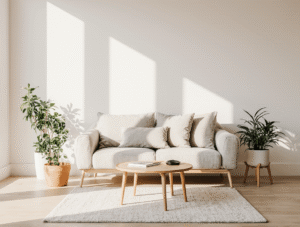
How Sustainability Complements Minimalism
While minimalism focuses on reducing excess, sustainability focuses on reducing harm. Together, minimalism and sustainability create a balanced system of conscious living.
When you own fewer вещей, you naturally become more selective. You start asking questions like:
- Was this product made responsibly?
- Will it last for years?
- Can it be reused or recycled?
This shift leads to smarter consumption patterns.
For example, buying one high-quality item instead of several cheap ones reduces waste over time. Choosing secondhand products or repairing items also lowers your environmental impact.
According to a study published in Science Advances, only about 9% of all plastic waste ever generated has been recycled, while the majority accumulates in landfills or the natural environment. This highlights the urgent need to reduce consumption at the source.
The Mental Benefits of Living with Less
One of the first changes people notice after decluttering is a sense of calm. A simpler environment makes it easier to focus, relax, and think clearly.
I experienced this when I reduced my wardrobe. Before that, choosing an outfit every morning took too much time. After simplifying, the process became quick and stress-free.
Many people describe similar experiences:
- less decision fatigue
- better concentration
- improved mood
Research on environmental distractions shows that they can interfere with cognitive performance and reduce focus. Creating a more organized and less visually distracting environment can help improve concentration.
Financial Freedom Through Intentional Spending 
Another important benefit is financial clarity. When you stop buying things out of habit, your spending becomes more intentional.
A simple experiment like a “no-spend month” can reveal a lot. When I tried it, I realized how many purchases were unnecessary. After that, it became easier to control impulses and prioritize essentials.
A study on mindfulness and consumer behavior found that mindful consumption is associated with higher life satisfaction, as more intentional spending supports long-term well-being rather than short-term satisfaction.
Over time, this can help you:
- save more money
- reduce financial stress
- invest in meaningful experiences
Practical Steps to Start Your Journey
You do not need to change everything overnight. Small steps are more sustainable and easier to maintain.
1. Start with Decluttering
Choose one area, such as a drawer or wardrobe. Remove items you do not use. Donate or recycle them whenever possible.
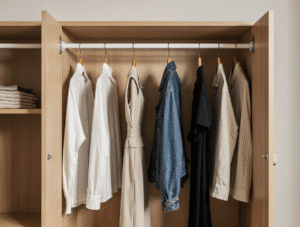
2. Create a Capsule Wardrobe
A capsule wardrobe includes versatile pieces that work well together. This reduces decision fatigue and unnecessary shopping.
3. Replace Disposable Items
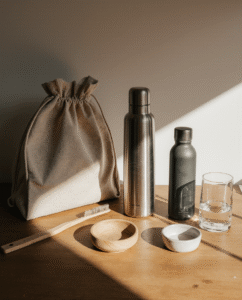
Switch to reusable alternatives like cloth bags, glass containers, and refillable bottles.
4. Shop with Intention
Before buying something, pause and ask if it is truly needed. This simple habit can prevent many unnecessary purchases.
Building Sustainable Daily Habits
Living sustainably is not only about what you buy. It is also about what you do every day.
Here are simple habits that make a difference:
- turning off lights when not in use
- using energy-efficient appliances
- planning meals to reduce food waste
- choosing local and seasonal products
Research in the Journal of Cleaner Production shows that food waste and how it is managed have a direct impact on greenhouse gas emissions, highlighting the importance of reducing waste in everyday life.
Emotional and Lifestyle Changes
Beyond practical benefits, this lifestyle also changes how you feel and spend your time.
When you own less and consume less, you often gain:
- more free time
- stronger relationships
- deeper appreciation for simple things
A study by Kumar, Killingsworth, and Gilovich found that spending on experiences is associated with greater and more lasting happiness than spending on material goods, helping explain why people often feel more fulfilled when focusing on experiences rather than possessions.
You may start spending more time on:
- hobbies
- personal growth
- outdoor activities
Common Challenges and How to Overcome Them
Transitioning to a new lifestyle is not always easy. You may face challenges such as:
Emotional Attachment to вещи
Some items hold memories. Instead of keeping everything, choose a few meaningful objects and let the rest go.
Social Pressure
Friends or social media may encourage consumption. Stay focused on your own values.
Fear of Missing Out
It is normal to feel like you might be missing something. Over time, this feeling fades as you become more confident in your choices.
The key is to move at your own pace and avoid perfectionism.
Long-Term Impact of Minimalism and Sustainability
Adopting minimalism and sustainability is not a short-term trend. It is a long-term shift in mindset.
As more people adopt this lifestyle:
- demand for sustainable products increases
- companies begin to change their practices
- environmental awareness grows
Individual choices may seem small, but together they create a powerful impact.
Over time, you will notice that your life becomes:
- simpler
- more organized
- more aligned with your values
Final Thoughts
Choosing minimalism and sustainability is not about restriction. It is about intention.
By reducing unnecessary consumption, you create space for clarity, stability, and meaningful experiences. You also contribute to a healthier environment and a more responsible way of living.
Start small. One drawer, one habit, one decision at a time. These steps may seem simple, but they can lead to lasting change.
In the end, a more intentional life is not about having less. It is about making room for what truly matters.
Mindful Consumption: How to Stop Buying Things You Don’t Need?
K-Beauty Innovations: Trends and Ingredients Transforming Skincare

I’m Victoria, the creator behind Eva My Balance. Passionate about beauty, wellness, sustainable living, and mindful self-care. My mission is to inspire you to live consciously and beautifully—inside and out.