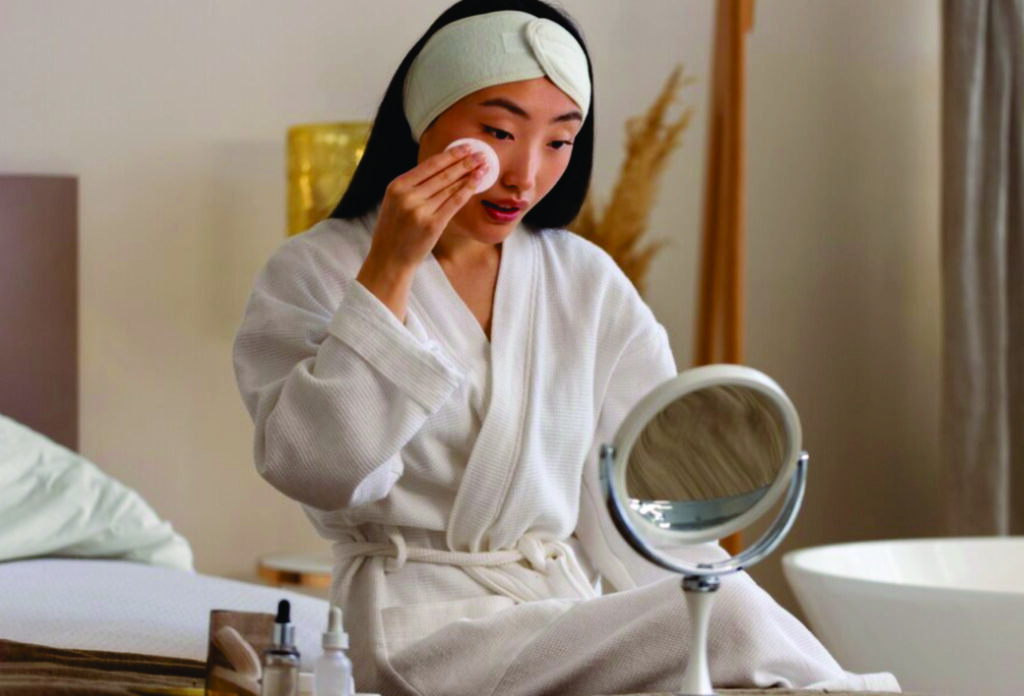
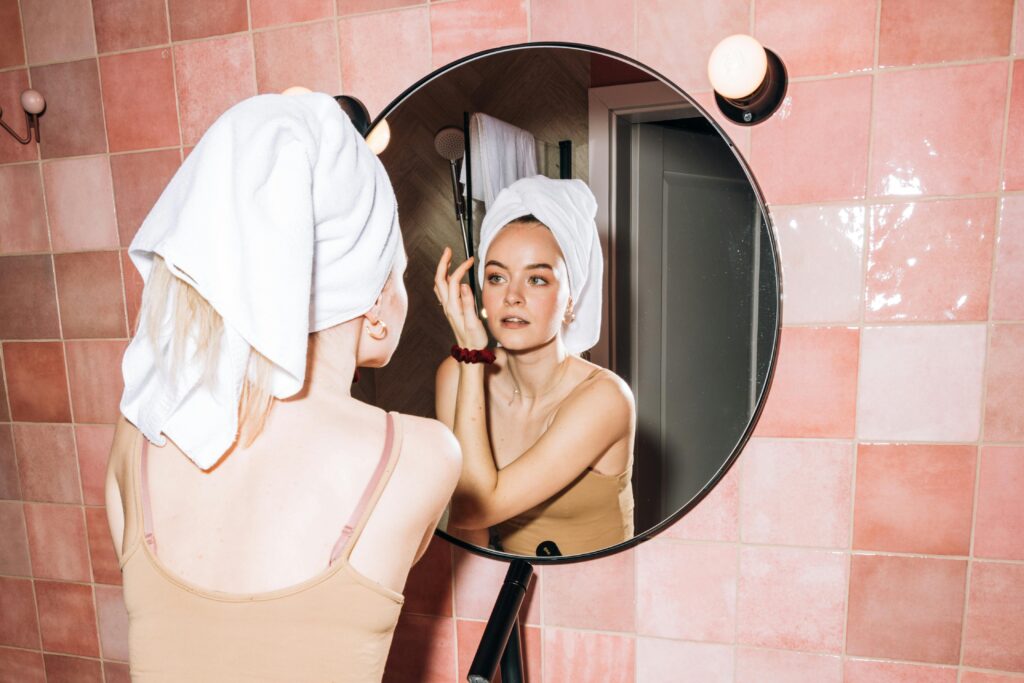
K-Beauty innovations continue to shape modern skincare across the globe. Korean beauty is no longer a niche interest. It is a research-driven industry leader. Brands focus on gentle effectiveness, long-term skin health, and prevention. The trends and ingredients of K-beauty reflect a shift away from aggressive treatments. Instead, the focus is balance.
Korean skincare routines combine science, tradition, and daily consistency. This approach explains their global success. Consumers seek visible results without barrier damage. K-beauty responds with innovative formulations and thoughtful rituals. Understanding these developments helps refine any skincare routine.
Revolutionary Ingredients Shaping Modern K-Beauty
One defining feature of K-beauty is ingredient innovation. Brands invest heavily in research and formulation science. Many ingredients are supported by clinical studies. This scientific grounding builds long-term trust.
Fermented Ingredients: Enhanced Absorption and Skin Resilience
Fermentation is central to Korean skincare philosophy. The process breaks down ingredients into smaller compounds. These penetrate the skin more efficiently, absorption improves. Irritation risk often decreases.
Popular fermented ingredients include:
- Galactomyces Ferment Filtrate, known for improving hydration and tone
- Lactobacillus Ferment, which supports the skin microbiome
- Rice Ferment, valued for antioxidant and brightening effects
A clinical study published in the Journal of Cosmetic Dermatology demonstrated that ferment lysates of Lacticaseibacillus rhamnosus significantly improved skin barrier function and increased moisture retention by reducing transepidermal water loss (TEWL) and enhancing skin hydration. These findings help explain the growing role of fermented ingredients within the trends and ingredients of K-beauty.
Forum insight:
On the SkincareAddiction subreddit, one user shared that switching to a galactomyces essence reduced dullness within weeks. They noted fewer breakouts and improved texture. Many commenters reported similar experiences after barrier damage.
Probiotics and Prebiotics: Supporting the Skin Microbiome
The skin microbiome plays a critical role in inflammation control. Disruption often leads to sensitivity and acne. K-beauty brands integrate probiotics and prebiotics to restore balance.
These ingredients help:
- Strengthen the skin barrier
- Reduce redness and irritation
- Improve hydration over time
Research summarized in Probiotics and Skin Health highlights that topical probiotic-derived ingredients can support skin barrier reinforcement and help modulate inflammatory responses by influencing immune and microbiome balance.
This science-driven approach defines the trends and ingredients of K-beauty today.
Forum insight:
A user on RealSelf described improved rosacea symptoms after using a probiotic toner for two months. They emphasized consistency over product hopping.
Ginseng and Traditional Herbal Extracts
K-beauty also draws from traditional Korean medicine. Ginseng remains a valued ingredient. It contains ginsenosides with antioxidant properties. These compounds may support skin resilience.
A study in the Journal of Ginseng Research found that ginseng root-derived exosome-like nanoparticles helped protect HaCaT keratinocytes from UVB-related damage. The treatment reduced reactive oxygen species (ROS). It also lowered aging- and inflammation-related markers. This supports ginseng’s role in defending skin from oxidative stress.
Benefits may include:
- Improved skin vitality
- Better defense against UV-related stress
- Support for a healthier-looking complexion
This fusion of tradition and science strengthens K-beauty’s global credibility.
New K-Beauty Techniques Transforming Skincare Rituals
Ingredients matter. Application methods matter too and Korean skincare places strong emphasis on technique.
Modern Slugging with Breathable Formulas
Traditional slugging used heavy occlusives. Korean brands refined the concept: they developed lightweight barrier-locking products. These seal moisture without congestion.
This approach suits more skin types. Oily and combination skin benefit as well: hydration stays balanced, pores remain clear.
Dermatologists writing in the Journal of Cosmetic Dermatology explain that modern moisturizers, including lightweight occlusive formulations, effectively reduce transepidermal water loss (TEWL) while improving skin hydration and barrier function.
Skip-Care: Minimalism Meets Performance
The classic ten-step routine intimidated many users. Skip-care simplifies skincare without sacrificing results. Multi-functional products replace excess layering.
Common skip-care solutions include:
- Essence-toners
- Serum-moisturizer hybrids
- Sunscreens with skincare benefits
This reflects changing consumer behavior — people want efficiency. The trends and ingredients of K-beauty now support simplicity.
Forum insight:
A user in an Asian beauty community reported better skin after reducing steps from nine to five. Breakouts decreased, moisture improved.
Glass Skin: Still Relevant, But More Realistic
While glass skin remains an aspirational K-beauty ideal, its modern definition has evolved to emphasize skin health and balance rather than flawless perfection.
Key principles include:
- Lightweight hydration layers
- Barrier repair
- Gentle exfoliation
Hyaluronic acid, botanical essences, and sheet masks support this goal. Over-exfoliation is discouraged.
A recent review explains that hydration improves visible skin quality by making skin look smoother, more translucent, and less rough—features closely linked to radiance and refined texture (Valenzuela et al., 2025).
The Global Influence of K-Beauty Trends
K-beauty’s influence extends far beyond Asia. Western brands increasingly adopt Korean concepts, and ingredient lists now reflect this shift.
Personalized Skincare Through Technology
Customization is a major innovation in modern skincare. Korean brands increasingly use AI skin analysis tools that assess hydration, pigmentation, and sensitivity.
Personalized formulations reduce trial-and-error fatigue, which in turn improves long-term adherence. Research on AI-driven customized skincare suggests that personalized regimens enhance user satisfaction and improve outcomes compared with generalized approaches.
This level of personalization defines the next phase of the trends and ingredients of K-beauty.
Sustainability as a Core Value
Sustainability is no longer optional. Korean brands reduce packaging waste. Refill systems are expanding. Ingredient sourcing is becoming more transparent.
According to Vogue, eco-conscious beauty has become a defining consumer expectation, influencing how brands address sustainability, packaging, and ethical practices in product development. K-beauty brands now lead refill innovation and biodegradable packaging initiatives.
Life cycle assessment research confirms that refillable and reusable cosmetic packaging significantly reduces environmental impact compared with single-use designs.
Skin Barrier Repair: The Foundation of K-Beauty Philosophy
One of the most important shifts in Korean skincare is barrier-first thinking. Healthy skin starts with a strong barrier. Without it, even the best ingredients fail.
K-beauty formulations increasingly focus on ceramides, cholesterol, and fatty acids. These components mimic the skin’s natural structure. They help prevent moisture loss and irritation.
Research published in The Journal of Clinical and Aesthetic Dermatology highlights that maintaining and repairing the skin barrier significantly improves hydration, reduces transepidermal water loss, and helps decrease skin sensitivity when used consistently.
Barrier-focused products suit sensitive and acne-prone skin. They also support long-term anti-aging results. This shift reflects a mature skincare philosophy. It prioritizes skin health over instant glow.
Forum insight:
On SkincareAddiction, a user recovering from over-exfoliation shared their experience with ceramide creams. Within three weeks, redness faded. Breakouts slowed. Many users echoed the same results after simplifying routines.
Barrier care is now central to the trends and ingredients of K-beauty.
Gentle Actives: A Smarter Approach to Exfoliation
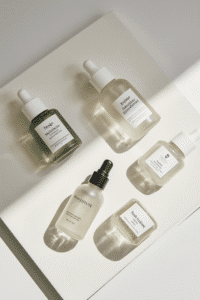
K-beauty does not reject active ingredients; instead, it reframes their use by prioritizing low-dose consistency rather than high concentrations.
Popular gentle actives include:
- Low-percentage AHAs for surface renewal
- PHAs for sensitive skin exfoliation
- Enzyme-based exfoliants
These options reduce irritation risk. They support gradual cell turnover. Skin adapts better over time.
A review in Dermatologic Clinics confirms that mild exfoliation improves texture while preserving barrier integrity .
This measured use of actives distinguishes K-beauty from harsher routines. It supports longevity. Results appear slower but last longer.
The Rise of Skin Cycling in K-Beauty Routines
Although skin cycling gained popularity globally, K-beauty applied it intuitively for years. Alternating actives and recovery days protects the barrier.
A typical approach includes:
- Active treatment days
- Hydration-focused recovery days
- Minimal layering when skin feels reactive
This rhythm supports repair. It prevents chronic inflammation. Skin remains resilient.
Forum insight:
A user within the AsianBeauty online skincare community shared that rotating exfoliation to twice weekly eliminated irritation and improved skin tone. Other community members reported similar outcomes after introducing recovery days between active treatments.
Skin cycling aligns naturally with the trends and ingredients of K-beauty. Balance remains the priority.
Texture Innovation: Why K-Beauty Products Feel Different
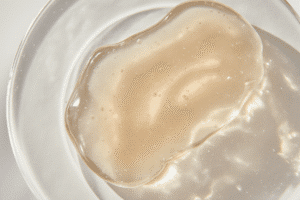
Texture matters as much as formulation, which is why Korean skincare invests heavily in sensory experience. Lightweight gels, watery essences, and fast-absorbing creams dominate modern K-beauty routines.
These lightweight textures encourage layering without heaviness, helping users apply products more consistently over time.
A study published in Surgical and Cosmetic Dermatology highlights that pleasant texture and favorable sensorial properties support continued product use and contribute to long-term treatment success.
Consistency drives results, and K-beauty clearly understands this principle.
Community Feedback as a Driver of Innovation
K-beauty brands actively monitor consumer feedback, using online forums, reviews, and social platforms to guide product reformulations and future launches. As a result, products evolve quickly: irritating formulas are often discontinued, while successful ones expand into full product lines.
This continuous feedback loop accelerates innovation and keeps brands closely aligned with real skin needs, while transparency in this process helps build long-term consumer trust. Together, these factors further define the trends and ingredients of K-beauty today.
Embracing the Future of K-Beauty
K-beauty continues to evolve with clear intention, where science and tradition work together to prioritize skin health over short-term fixes. Rather than chasing instant results, modern K-beauty trends emphasize long-term resilience and barrier integrity.
The trends and ingredients of K-beauty increasingly highlight fermentation, microbiome care, personalization, and sustainability—values that resonate globally and align closely with contemporary skincare needs. This shift reflects a broader understanding of skin as a dynamic, adaptive system rather than a surface to be aggressively treated.
As a result, consumers benefit from gentler routines that support barrier recovery, promote lasting improvements, and reduce the risk of chronic irritation. Staying informed about these developments allows for smarter product choices and more sustainable skincare practices.
Ultimately, K-beauty demonstrates that meaningful innovation does not require aggression; instead, balance delivers beauty that endures.
How to Balance Nutrition for Healthy Skin and Hair on a Vegan Diet? – Key Nutrients to Consider
How to Minimize Waste in Your Beauty Routine?

I’m Victoria, the creator behind Eva My Balance. Passionate about beauty, wellness, sustainable living, and mindful self-care. My mission is to inspire you to live consciously and beautifully—inside and out.