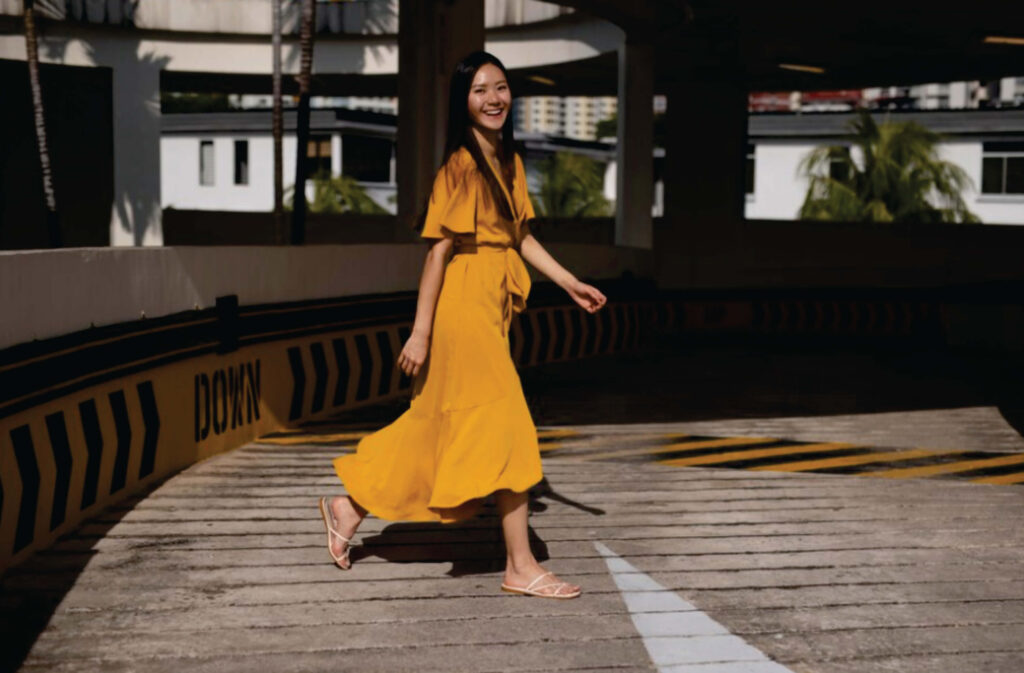
Understanding how to find your personal style is not about following fashion trends or owning a lot of clothes. It is about understanding yourself — your lifestyle, body, values, and comfort — and building a wardrobe that reflects all of that. When your clothing matches who you truly are, getting dressed becomes easier, more enjoyable, and more meaningful.
Many people feel lost when it comes to style because they are trying to imitate what they see online or follow fast-changing trends. As a result, they end up with clothes they rarely wear and a closet that feels disconnected. Personal style works differently. It grows from self-awareness and evolves over time, becoming more refined as you learn what truly suits you.
This guide will walk you through a practical process to discover your style, choose clothes intentionally, and create a wardrobe that feels authentic and confidence-boosting.
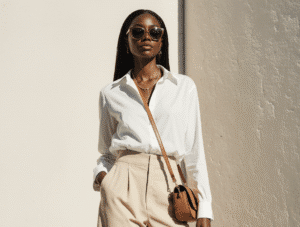
1. Start by Understanding What You Already Wear
The most reliable clues to your personal style are already in your wardrobe. Instead of rushing to buy new clothes, take a step back and analyze what you already own.
Ask yourself:
- Which items do you wear most often and why?
- Which clothes stay untouched for months?
- What makes you feel comfortable and confident?
- Which fabrics and fits feel best on your body?
When I looked at my own closet, I noticed that many pieces were made from polyester. Although they looked fine at first glance, they never felt comfortable, especially in warm weather, and did not look as refined as I wanted. That realization completely changed how I shop. Now I prioritize natural fabrics, and the difference in comfort and appearance is noticeable.
These insights help you recognize patterns in your preferences and avoid repeating past mistakes.
2. Define Your Lifestyle Needs
Your wardrobe should serve your life — not the life you imagine having. Many people buy clothes for situations they rarely experience, which leads to clutter and frustration.
Consider your weekly routine:
- Do you work in an office or from home?
- How often do you attend formal events?
- Do you need practical outfits for travel, parenting, or an active lifestyle?
- How much time do you spend in casual versus professional environments?
If most of your week is casual, investing heavily in formal outfits will not serve you well. Likewise, if you attend meetings regularly, comfortable but polished pieces will be essential.
Write down your main life categories — work, social life, family, fitness, travel — and think about how many outfits you need for each. This simple exercise makes shopping more intentional.
3. Find Style Inspiration That Reflects You
Inspiration helps clarify what you are naturally drawn to and plays a key role in how to find your personal style. It does not mean copying someone else, but rather identifying what truly resonates with you.
Look for inspiration in:
- People whose style you admire
- Outfits you save online
- Movies, eras, or aesthetics you love
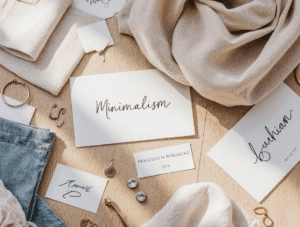
Notice recurring themes. Do you gravitate toward clean lines, soft fabrics, earthy tones, or bold contrasts? Try describing your ideal style with three to five adjectives, such as:
- minimal
- relaxed
- elegant
- natural
- modern
These words act as your personal style filter. When shopping or choosing outfits, ask yourself whether an item matches your style keywords.
4. Choose Colors and Fabrics That Suit You
Color
Colors can significantly influence how you look and feel. Some shades brighten your complexion, while others may make you appear tired or washed out.
Pay attention to:
- Which colors make your skin look vibrant
- Whether you feel better in warm, cool, or neutral tones
- Which colors you naturally reach for
You do not need a strict color analysis, but awareness helps you build a wardrobe where most pieces complement you.
Fabric
Fabric choice is just as important as style. High-quality materials often feel better, last longer, and elevate even simple outfits.
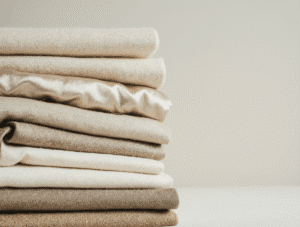
Natural fabrics such as cotton, linen, silk, and wool tend to breathe better and age gracefully. Synthetic fabrics can be practical, but they often trap heat and may look less refined over time.
When you prioritize good materials, your wardrobe naturally becomes more timeless and comfortable.
5. Build a Strong Foundation with Timeless Essentials
A functional wardrobe starts with versatile basics that work across seasons and occasions. These essentials form the foundation of your style:
- A well-fitted blazer
- A crisp white shirt
- Jeans that fit your body well
- A simple black dress
- Quality knitwear
- Comfortable everyday shoes
Once you have these core pieces, you can add personality through accessories, textures, or statement items. This approach makes your wardrobe flexible and cohesive.
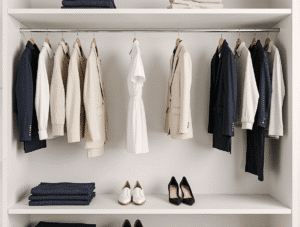
6. Learn the Art of Layering
Layering adds depth and versatility to your outfits. It allows you to adapt to different temperatures and occasions without buying more clothes.
For example:
- A lightweight blouse under a blazer works for both casual and formal settings.
- A knit sweater over a dress can transform a summer outfit into a winter look.
- A simple outfit can feel elevated with the right jacket or accessory.
Mastering layering helps you get more value from fewer pieces and makes your style more dynamic.
7. Experiment and Refine Your Style Over Time
Personal style is not fixed. It evolves as your life changes. Allow yourself to experiment with new colors, cuts, or combinations.
Some experiments will work, others will not — and both outcomes are valuable. Pay attention to how clothes make you feel, not just how they look. Over time, you will naturally refine your style and make better choices.
8. Keep Your Wardrobe Organized and Intentional

A well-organized wardrobe makes dressing easier and more enjoyable. When you can see what you own, you are less likely to repeat purchases or forget about pieces you love.
Try to:
- Group clothes by category
- Store seasonal items separately
- Regularly remove items you no longer wear
This not only saves time but also encourages more mindful dressing.
9. Confidence Is the Key to Personal Style
Clothes alone do not define style — confidence does. When you feel comfortable and authentic in what you wear, it shows.
People who appear stylish are not always wearing expensive or trendy items. Instead, they wear clothes that fit their personality and lifestyle, and they carry them with confidence.
Frequently Asked Questions
How long does it take to find your personal style?
There is no fixed timeline. Personal style develops gradually through self-awareness and experimentation.
Do I need to follow trends to be stylish?
No. Trends can inspire, but true style is based on authenticity and personal comfort.
How do I avoid buying clothes I will not wear?
Focus on your lifestyle needs, preferred fabrics, and style keywords before making purchases.
Final Thoughts
Learning how to find your personal style is a journey of self-discovery. By understanding your preferences, choosing suitable fabrics and colors, building a strong foundation, and staying open to change, you can create a wardrobe that truly reflects who you are.
When your style aligns with your personality and lifestyle, dressing becomes effortless, and confidence naturally follows.
If you want real-life perspectives, browsing community discussions can be surprisingly helpful. For example, in this Reddit discussion on personal style, people share how they discovered their own style, what helped them feel more confident, and the mistakes they made along the way.
How to Dress for Wedding: A Guide to Popular Dress Codes
Wardrobe Items That Make Your Outfit Look Cheap – And How to Upgrade Your Style
How Color Psychology Influences Your Outfit Choices
Detecting Early Signs of Hair Thinning: A Guide to Prevention and Treatment

I’m Victoria, the creator behind Eva My Balance. Passionate about beauty, wellness, sustainable living, and mindful self-care. My mission is to inspire you to live consciously and beautifully—inside and out.