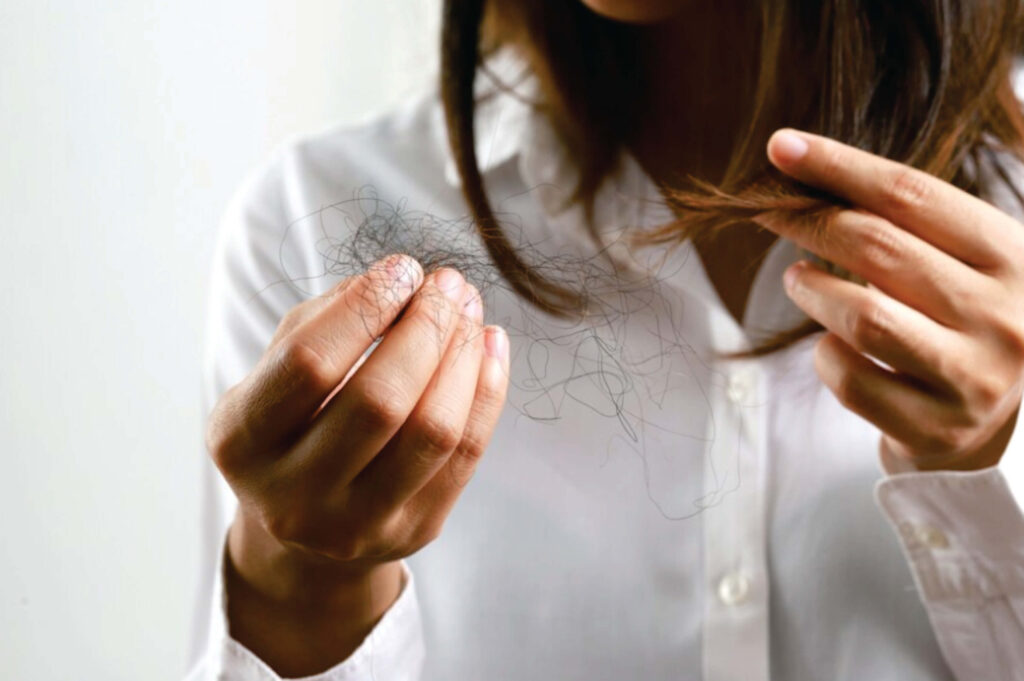
Finding the right products can transform your hair. With so many formulas on the shelves, the process feels overwhelming. Asking how to choose shampoo and conditioner for your hair type is important. The wrong match can lead to dryness, excess oil, or breakage. The right care helps hair shine, feel soft, and stay healthy.
Understanding Your Hair Type
Choosing products starts with learning your hair needs. Your scalp and strands may not behave the same way. A dry scalp can exist with oily roots. Fine hair can also be brittle. Texture, porosity, thickness, and oil production all play a role.
Try a simple observation test: wash your hair, use no styling products, let it air dry, and look at its natural behavior.
Below are main hair types and what they need:
Fine Hair
Fine strands look flat. They get greasy fast. Styling volume does not last long. Lightweight formulas work best.
Signs:
- Low volume
- Quick oil buildup
- Easily weighed down
A beauty forum user wrote: “A volumizing shampoo with biotin finally gave me lift without that oily look.”
Thick Hair
Thick hair has more density or wider strands. It can feel heavy and become frizzy.
Signs:
- Harder to brush
- Good shine, but dry ends
- Handles rich products well
Curly or Wavy Hair
Curls lose moisture quickly. Frizz appears easily. These types require hydration and softening.
Signs:
- Dry ends
- Tighter curls when dry
- Frizz in humidity
Many people with textured hair also have sensitive or easily irritated scalps, which can worsen dryness. According to the Healthline article “Should You Avoid Shampoos with Sulfates?”, the American Academy of Dermatology (AAD) recommends using sulfate-free shampoo if you have rosacea, eczema, contact dermatitis, or sensitive skin because sulfate detergents can contribute to irritation on the scalp and skin.
Straight Hair 
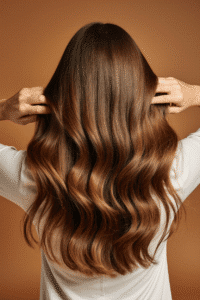
Straight hair is smooth and shiny. It gets oily near the roots faster than other types.
Signs:
- Very sleek look
- Poor volume
- Quick greasiness
Dry Hair
Lack of moisture makes hair rough. It feels brittle.
Signs:
- Dull appearance
- Frizz
- Breakage
Oily Hair
Sebum spreads fast, so hair feels heavy. Washing too often increases oil production.
Signs:
- Greasy roots
- Itchy scalp
- Buildup by evening
A Reddit user shared: “Using a clay-based shampoo once a week finally solved my greasy hair problem.”
Damaged or Color-Treated Hair
Heat tools and dyes weaken hair. The cuticle stays open.
Signs:
- Split ends
- Hair stretches too much when wet
- Color fades quickly
Repairing shampoos help restore strength.

How to Confirm Your Hair Type
| What to Test | Method | Result |
|---|---|---|
| Porosity | Put a clean strand in water | Sinks fast → needs more hydration |
| Thickness | Roll between fingers | Hard to feel → fine hair |
| Oiliness | Check roots next day | Shiny roots → oily scalp |
| Elasticity | Stretch a wet strand | Snaps fast → needs protein |
Knowing this helps you choose shampoo and conditioner with confidence.
Best Shampoo for Every Hair Type
Shampoo cleanses the scalp but it must not remove essential oils. Research in the Journal of Dermatological Treatment shows that harsh surfactants such as sodium lauryl sulfate can disrupt the scalp’s natural microbiome and damage the protective barrier, whereas gentler formulations help maintain hydration, microbial balance, and scalp health.
Fine Hair Shampoo
Look for:
- Biotin – Helps support stronger, fuller-looking hair (Harvard T.H. Chan School of Public Health. Biotin – Vitamin B7)
- Panthenol – Provides lightweight hydration
- Proteins – Reinforce thin strands and improve volume
Avoid heavy silicones and butters.
Thick Hair Shampoo
Look for:
- Shea Butter – Moisturizes deeply
- Argan Oil – Boosts shine
- Coconut Oil – Smooths texture
Avoid harsh sulfates.
Curly Hair Shampoo
Look for:
- Aloe Vera – Soft hydration
- Glycerin – Locks in moisture
- Jojoba Oil – Protects curl pattern
Avoid drying alcohols.
Straight Hair Shampoo
Look for:
- Tea Tree Oil – Controls oil
- Chamomile – Adds shine
- Green Tea – Strengthens
Avoid heavy creams.
Dry Hair Shampoo
Look for:
- Avocado Oil – Nourishes
- Honey – Restores softness
- Keratin – Repairs
Avoid frequent clarifiers.
Oily Hair Shampoo
Look for:
- Clay or Charcoal – Absorbs oil
- Lemon Extract – Refreshes scalp
- Peppermint Oil – Soothes
Avoid conditioning agents at the roots.
Damaged / Color-Treated Shampoo
Look for:
- Collagen – Strengthens
- Silk Proteins – Add shine
- UV Filters – Protect color (Healthline)
Avoid sulfates that strip color.
Choosing the Right Conditioner
Conditioner closes the cuticle and prevents breakage. According to the International Journal of Trichology, conditioners decrease friction between hair fibers, reduce frizz, improve combability, and help protect the cuticle from damage.
- Fine Hair: Use lightweight conditioners only on mid-lengths and ends.
- Thick Hair: Creamy formulas with oils and butters work best.
- Curly Hair: Hydrating masks maintain bounce.
- Straight/Oily Hair: Gel conditioners avoid greasiness.
- Dry or Damaged Hair: Weekly repair masks restore softness.
Haircare experts say:
“Shampoo is for the scalp. Conditioner is for the hair.”
This rule prevents scalp buildup.
My Experience with Solid Shampoo Bars
I switched to solid shampoo bars to reduce waste. They last longer, contain fewer harsh surfactants, and cut down on plastic. According to Healthline, sulfate-free products are gentler for sensitive scalps and help maintain natural moisture. Many shampoo bars are sulfate-free and therefore a smart eco-friendly alternative.
Reference: “Should You Avoid Shampoos with Sulfates?” – Healthline
Mistakes to Avoid When You Choose Shampoo and Conditioner
Even the best products will not help if they are used incorrectly. Many common habits slow progress and prevent your hair from looking its best. Here are the key mistakes to avoid when you choose shampoo and conditioner and build a healthy routine:
1. Overwashing Your Hair
Washing hair too often strips essential oils. The scalp produces even more sebum to defend itself. Hair becomes greasy faster.
Solution: For most hair types, 2–3 washes per week are enough.
A user on a beauty forum shared that she used to wash daily because her roots looked oily by evening. After switching to a gentle shampoo and washing three times per week, her scalp balanced out in only ten days.
2. Applying Conditioner to the Scalp
Conditioner is too rich for the scalp and can clog hair follicles, making roots flat and causing irritation.
Solution: Apply conditioner only from mid-lengths to ends. Keep the root area clean and light.
Haircare specialists often repeat: “Shampoo is for the scalp. Conditioner is for the hair.”
3. Using Extremely Hot Water
Hot water forces the cuticle to stay open. This leads to frizz, dryness, and fast color fading.
Solution: Rinse with warm water, then finish with cool water to seal the cuticle and enhance shine.
One person on YouTube commented that lowering the water temperature alone made her hair shinier after just one week.
4. Ignoring Scalp Health
Healthy hair begins at the roots. Redness, flakes, or tightness are early warnings that your scalp needs support.
Solution: Use gentle shampoos, massage the scalp regularly, and include occasional exfoliation.
A study published in the International Journal of Trichology found that poor scalp health and oxidative stress can negatively affect hair growth and even lead to premature hair loss, emphasizing the importance of maintaining a healthy scalp environment. (Trüeb et al., 2018)
5. Switching Products Too Often
Hair and scalp need consistency. Constant changes make it hard to see what works.
Solution: Try one new product at a time and stick with it for 3–4 weeks to evaluate results.
A Reddit user shared that she switched all products at once and developed irritation. Now she tests only one item at a time — and finally knows what triggers reactions.
6. Choosing a Product Only by Scent or Trends
A pleasant smell or viral hype does not guarantee a good match. Popular products may not fit your hair type at all.
Solution: Read ingredient lists. Focus on what supports your specific hair needs.
One forum member wrote: “I bought a trending shampoo, and my hair became twice as frizzy. I switched back to what worked and immediately saw improvement.”
7. Applying Shampoo All Over the Hair Length
Shampoo cleanses the scalp first. Applying it directly to lengths causes dryness and rough texture.
Solution: Focus shampoo at the scalp. Let the suds run through the ends when rinsing — that is enough.
8. Using Too Much Product
More does not mean better. Excess product builds up, weighs hair down, and attracts dirt.
Solution: A coin-sized amount of shampoo usually works. Conditioner can be slightly more, based on hair length.
9. Skipping Clarifying Shampoo Altogether
Without occasional deep cleansing, buildup from oils, silicones, and pollution stays on the hair.
Solution: Use a clarifying shampoo every 2–4 weeks, depending on styling product use and scalp oiliness.
Smart habits and well-selected products are both essential. When you choose shampoo and conditioner carefully and use them correctly, your hair becomes easier to manage, healthier, and naturally beautiful over time.
Final Haircare Tips for Best Results
✔ Match your routine to scalp type
✔ Alternate clarifying and moisturizing formulas if needed
✔ Protect hair from UV and heat
✔ Try a deep mask weekly
A user from a haircare community said:
“It took me a month to find the right routine. Now I get compliments every day.”
Healthy hair changes confidence.
When to See a Dermatologist
You should seek professional help if you notice:
- Sudden or patchy hair loss
- A painful, burning, or very sensitive scalp
- Large, persistent flakes
- Itching that disrupts sleep or daily comfort
- No improvement after using the right products
- Signs of infection (pustules, swelling, or oozing)
Persistent scalp issues can indicate conditions that require medical treatment. Dermatologists can identify the exact cause and recommend solutions based on your scalp health.
According to Cleveland Clinic, ongoing itching, visible irritation, or lice/nits are key reasons to see a specialist for proper diagnosis and relief.
Conclusion
Knowing how to choose shampoo and conditioner makes a noticeable difference. The right match supports strength, improves shine, and keeps the scalp balanced. Healthline notes that conditioner helps keep hair soft, moisturized, and protected after shampooing, which in turn helps protect the hair shaft from damage.
Every hair type deserves special care. Whether your hair is curly, straight, fine, thick, oily, or dry — you can find products that help you thrive. Take time to explore, test, and adjust. When you choose shampoo and conditioner wisely, you build a routine that supports long-term hair beauty.
Your hair journey is personal. But you are not alone. With the right knowledge, your perfect hair day becomes a regular thing.
The Ultimate Hair Ingredient Guide: Oils, Proteins, and Extracts That Actually Work
Ayurvedic Hair Care: Identify Your Hair Type and Find the Perfect Ritual

I’m Victoria, the creator behind Eva My Balance. Passionate about beauty, wellness, sustainable living, and mindful self-care. My mission is to inspire you to live consciously and beautifully—inside and out.