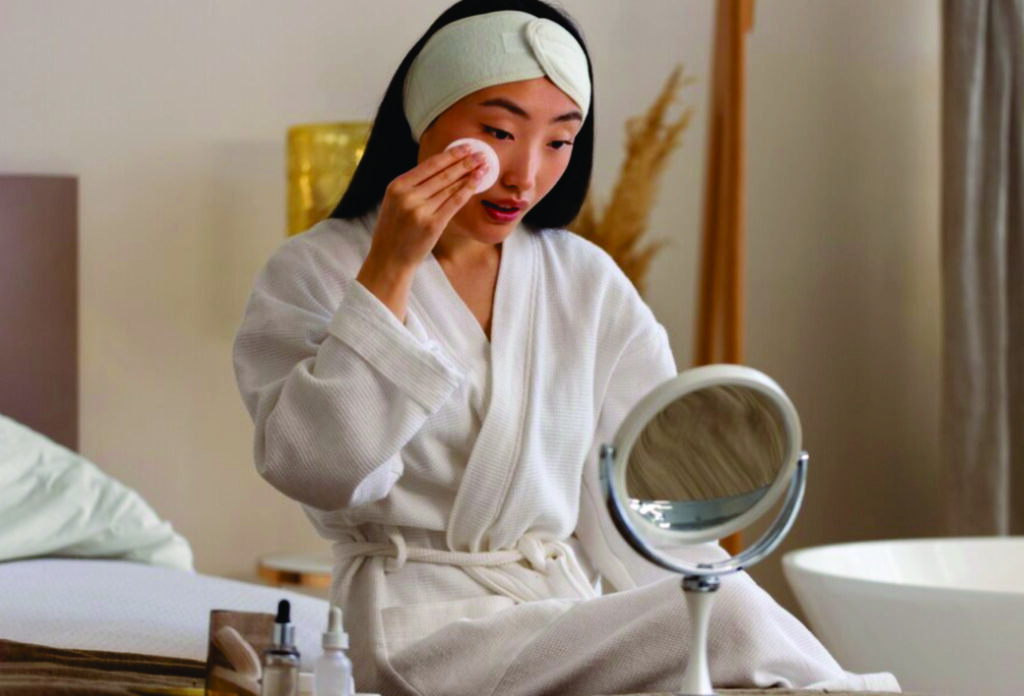
Maintaining a well-balanced basic skincare routine is one of the most effective ways to keep your complexion healthy and glowing. Today the skincare world feels overwhelming. New trends appear every week, and product shelves are filled with claims that promise instant results. But great skincare is not about having more products. It is about understanding your skin and giving it what it needs. When your routine matches your skin type, it becomes easier to prevent irritation, dryness, breakouts, or excess oil.
This guide will help you identify your skin type, build a tailored routine, and choose cleansers and moisturizers that support long-term skin health. You will also see insights from dermatologists, scientific studies, and real stories from skincare forums. By the end, you will feel confident creating a personalized plan that enhances your natural beauty and keeps your skin resilient.

How to Determine Your Skin Type
Before building any routine, you must understand your skin’s natural tendencies. Dermatologists identify four main types: dry, oily, combination, and sensitive.
Dry skin often feels tight or rough after cleansing. It may look dull and show fine flakes.
Oily skin appears shiny, especially in the T-zone. Breakouts and enlarged pores are common.
Combination skin includes both dry and oily areas. The T-zone tends to be oily, while the cheeks are often dry.
Sensitive skin reacts easily to products, temperature, or fragrance. Redness and irritation appear quickly.
Simple At-Home Test
Wash your face with a mild cleanser and gently pat it dry. Then wait for about an hour without applying anything else.
• Tightness often means your skin is on the dry side.
• A noticeable shine on the forehead and nose suggests an oily or combination type.
• Shine appearing only in specific zones, like the T-zone, usually points to combination skin.
• Any redness or discomfort during this hour may indicate sensitivity.
A 2023 review in the journal Cosmetics emphasizes that understanding your true skin type helps you choose more suitable products and avoid common skincare mistakes that can irritate the skin (Oliveira et al., 2023).
Dry Skin: Restore Hydration and Comfort
Dry skin needs gentle cleansing and deep hydration. Harsh cleansers remove essential lipids and worsen tightness, so cream or oil-based formulas are ideal. They clean the skin without stripping moisture. 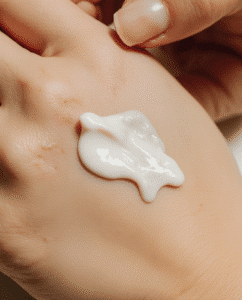
Ceramides help restore the skin’s lipid barrier and reduce transepidermal water loss. A 2019 scientific review in Cosmetics confirms that topical ceramides are essential for improving barrier function and relieving dryness by replenishing depleted stratum corneum lipids (Kahraman et al., 2019).
Avoid hot showers, which dry the skin further. Adding a humidifier can also help. Many people notice a change within days.
Forum Story:
One Reddit user wrote: “Switching from a foaming cleanser to a milk cleanser changed everything. My face no longer felt stiff after washing.” They later added a ceramide cream and saw smoother texture within two weeks.
Personal Experience:
After dealing with dryness for years, I tried a moisturizer with ceramides. I also added a small humidifier. Within a month, my skin felt more resilient and calm.
Oily Skin: Control Shine Without Overdrying
Many people with oily skin try to “dry out” their face with harsh cleansers, but this usually backfires. When the moisture barrier becomes too stripped, the skin compensates by producing even more oil.
A balanced routine for oily skin includes a gentle gel or foaming cleanser with salicylic or glycolic acid. These ingredients lightly exfoliate inside the pores and help prevent congestion.
Hydration is still essential. Lightweight, oil-free moisturizers prevent water loss without adding shine. A study in the International Journal of Cosmetic Science found that 2% niacinamide significantly reduced sebum levels after several weeks of consistent use (Draelos, Matsubara & Smiles, 2006).
Clay masks once or twice a week can help control shine. Avoid physical scrubs — they irritate the skin and stimulate additional oil production.
Forum Story:
A user shared: “My skin became less oily once I stopped trying to dry it out. Adding a gentle moisturizer actually balanced everything.”
Personal Note:
Using a mild salicylic acid cleanser and a gel-based moisturizer helped me prevent breakouts and control shine. The improvement became noticeable within a few weeks.

Combination Skin: Flexible Care for Mixed Needs
Combination skin is unique. It often behaves differently depending on the season, hormones, or environment. Because of this, a “one product fits all” approach may not work.
A pH-balanced gel or micellar cleanser is usually the safest option. It removes dirt while leaving moisture in place. Multimasking has also become popular. You can apply a hydrating mask to your cheeks and a clay mask to the T-zone.
Moisturizing requires strategy. Lightweight gels suit oily zones, while richer creams keep dry areas comfortable. Many dermatologists support using two moisturizers. On SkincareAddiction, one user wrote that this method “finally stopped the constant shine on my nose while keeping my cheeks soft.”
Combination skin often shifts with the weather. In summer, oiliness increases. In winter, cheeks become dry. Adjusting your routine during the year helps keep your skin balanced.
Once you learn what each zone needs, caring for combination skin becomes intuitive.
Sensitive Skin: Strengthen and Protect the Barrier
Sensitive skin reacts easily to fragrance, alcohol, essential oils, and harsh exfoliants. For this type, the main goal is to support the barrier and reduce inflammation.
A gentle, hypoallergenic cleanser is essential. It should rinse clean without rich foam or strong surfactants. Moisturizers containing aloe vera, squalane, ceramides, or colloidal oatmeal help nourish the barrier and calm irritation.
A randomized double-blind study in Clinical, Cosmetic and Investigational Dermatology found that 1% colloidal oatmeal cream improved eczema severity, reduced itch, and supported barrier repair in patients with chronic irritant hand eczema (Sobhan et al., 2020). This is why colloidal oatmeal is often included in products formulated for sensitive or reactive skin.
Patch-test every new product. Apply a small amount to the inner arm and wait 24 hours. Sensitive skin needs a slow, careful introduction of active ingredients.
Forum Story:
One user wrote that she struggled with redness for years and thought it was “just sensitive skin.” The real trigger turned out to be fragrance in her laundry detergent. After switching to fragrance-free products, the redness finally faded.
Sensitive skin can become stronger and more balanced when treated with simple routines and consistent care.

Choosing the Right Cleansers and Moisturizers
Cleansing and moisturizing are the foundation of every basic skincare routine. Even the most advanced serums will not work if the skin barrier is damaged.
A good cleanser removes dirt, makeup, and sunscreen without causing dryness.
A good moisturizer locks in hydration and protects your skin.
Dry Skin:
Cream or oil-based cleansers and thick creams with hyaluronic acid or ceramides.
Oily Skin:
Gel or foam cleansers with salicylic acid and lightweight gel moisturizers.
Combination Skin:
Mild gel cleansers and tailored moisturizers for different areas.
Sensitive Skin:
Fragrance-free, sulfate-free cleansers and calming, barrier-repairing creams.
A study published in Clinical, Cosmetic and Investigational Dermatology found that a ceramide-rich moisturizer significantly increased skin hydration and reduced transepidermal water loss (TEWL), helping strengthen the skin barrier (Spada, Barnes & Greive, 2018).
Universal Skincare Tips
Regardless of your skin type, these habits support long-term skin health:
Wear Sunscreen Daily
SPF 30 or higher is essential. A study published in Dermatologic Surgery showed that daily use of a broad-spectrum SPF 30 sunscreen for 52 weeks significantly improved skin texture, pigmentation, and overall clarity, even reversing visible signs of photodamage (Randhawa et al., 2016).
Hydrate From Within
Water supports elasticity and natural repair. External hydration works best when internal hydration is present.
Stay Consistent
Skincare results appear with time. A routine is effective only when practiced daily.
Be Gentle
Avoid aggressive scrubs and too many active ingredients at once. Overloading the skin disrupts the barrier.
Forum users often say that simplifying their routine gave them better results than adding more serums. Many discovered that their skin improved most with three simple steps: a good cleanser, a reliable moisturizer, and daily sunscreen.
Final Thoughts
A healthy, glowing complexion does not require dozens of steps. It requires a thoughtful, consistent, and well-structured basic skincare routine. By understanding your skin type, choosing the right ingredients, and listening to your skin’s needs, you can create a routine that supports long-term health and radiance.
Skincare is not about perfection. It is about paying attention, being patient, and giving your skin time to adjust. With steady care, your skin will become stronger, smoother, and more balanced—one day at a time.
Secrets to Radiant Skin: How Korean Women Achieve Their Signature Glow
How to Personalize Korean Skincare Routine

I’m Victoria, the creator behind Eva My Balance. Passionate about beauty, wellness, sustainable living, and mindful self-care. My mission is to inspire you to live consciously and beautifully—inside and out.