Shiny, strong hair is often associated with expensive products and salon treatments. However, even the most advanced formulas cannot compensate for internal deficiencies. Hair is a biological structure, and like every other part of the body, it depends on nourishment. Understanding healthy hair nutrition helps explain why some people struggle with thinning, dullness, or breakage despite careful styling routines.
Hair follicles are highly active mini-organs. They require a steady supply of oxygen, amino acids, vitamins, and minerals to function properly. When the body lacks these nutrients, hair production slows down. In many cases, shedding increases. This internal–external connection is what makes diet one of the most overlooked factors in hair care.
The Biology of Hair Growth
Each strand of hair grows from a follicle that cycles through three phases: anagen (growth), catagen (transition), and telogen (resting). Around 85–90 percent of healthy scalp hair is typically in the growth phase at any given time.
According to research published in Dermatology Practical & Conceptual, nutritional deficiencies can disrupt this cycle and push hair prematurely into the telogen phase, resulting in noticeable shedding. This condition, known as telogen effluvium, often appears two to three months after illness, stress, or restrictive dieting.
Hair is primarily composed of keratin, a structural protein built from amino acids. Without sufficient protein intake, the body cannot maintain optimal keratin production. As a result, strands become thinner and more fragile.
Protein: The Foundation of Strong Strands
Protein deficiency is a well-recognized contributor to hair weakness. A clinical review published in Dermatology Practical & Conceptual notes that decreased protein intake and caloric restriction may disrupt the hair growth cycle and trigger telogen effluvium.
Good sources include:
- Eggs
- Fish and poultry
- Greek yogurt
- Lentils and chickpeas
- Quinoa
Many forum users share similar experiences. On hair care discussion boards, several women describe increased shedding after switching to very low-calorie diets. In multiple cases, increasing protein intake gradually improved hair density over three to four months. These stories align with clinical observations that hair often reflects caloric and protein restriction.
Iron and Ferritin: A Hidden Cause of Shedding 
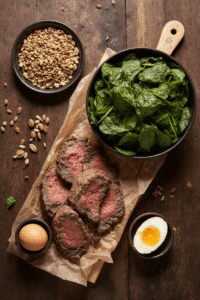
Iron deficiency is especially common in women. Even when hemoglobin levels appear normal, low ferritin (stored iron) can affect hair growth.
A retrospective study published in The Journal of Korean Medical Science found significantly lower serum ferritin levels in women with female pattern hair loss compared with healthy controls, suggesting that reduced iron stores may contribute to hair thinning.
Iron-rich foods include:
- Lean red meat
- Liver
- Spinach
- Pumpkin seeds
- Fortified cereals
Vitamin C enhances iron absorption. For this reason, pairing spinach with citrus fruits or bell peppers is a practical dietary strategy that improves mineral uptake.
Vitamin D: The Sunlight Nutrient
Often called the “sunshine vitamin,” vitamin D plays a complex role in regulating the hair growth cycle. Its receptors are present on hair follicles and contribute to normal follicle function and cycle regulation. Clinical studies have found that many individuals with hair-loss conditions such as alopecia areata have lower serum vitamin D levels compared with healthy controls, suggesting a link between deficiency and increased shedding.
Modern indoor lifestyles, limited sun exposure, and geographic factors contribute to widespread vitamin D deficiency in many populations. To support optimal levels, safe sun exposure and vitamin D–rich foods such as fatty fish, egg yolks, and fortified dairy products are recommended. In some cases, supplementation under medical supervision may be necessary, especially when deficiency is confirmed with blood work.
Biotin and B Vitamins
Biotin is often marketed as a miracle solution for hair growth. However, true biotin deficiency is rare in healthy individuals. More broadly, B vitamins support energy metabolism and cellular turnover — processes essential for healthy hair follicle activity and overall healthy hair nutrition.
A review published in Dermatology and Therapy notes that B vitamins, including vitamin B12 and folate, are essential for DNA synthesis and red blood cell production. These processes are particularly important for rapidly dividing hair follicle cells. Although current evidence remains mixed, deficiencies in these nutrients may contribute to impaired follicle function and altered hair growth patterns.
Top Food Sources
- Eggs
- Dairy products
- Leafy greens
- Legumes
- Fortified grains
Excessive supplementation without confirmed deficiency may lead to imbalances. For this reason, blood testing is recommended before introducing high-dose vitamin supplements.
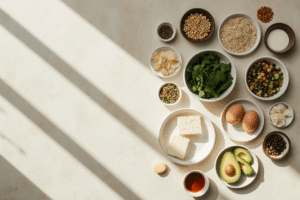
Omega-3 Fatty Acids and Scalp Health
The scalp is living skin tissue that requires balanced inflammatory responses and proper hydration. Omega-3 fatty acids possess anti-inflammatory properties and may support overall follicular health.
A randomized study published in Journal of Cosmetic Dermatology found that women who received a supplement containing omega-3 and omega-6 fatty acids, along with antioxidants, experienced reduced hair shedding and improved hair density after six months. Although the formulation included multiple nutrients, the findings suggest that essential fatty acids may play a supportive role in healthy hair growth.
Natural Sources
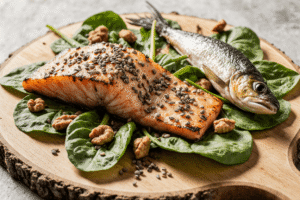
- Salmon
- Sardines
- Chia seeds
- Flaxseeds
- Walnuts
Beyond potential hair benefits, omega-3 fatty acids are well known for supporting cardiovascular health and reducing systemic inflammation.
Zinc: Repair and Renewal
Zinc plays a role in tissue repair and oil gland regulation. Deficiency has been linked to hair thinning and scalp irritation.
Foods rich in zinc include:
- Oysters
- Pumpkin seeds
- Chickpeas
- Poultry
- Cashews
Because zinc competes with other minerals for absorption, supplementation should be approached cautiously.
The Gut–Hair Connection
Even the most nutrient-rich diet may fail if absorption is compromised. Digestive conditions, chronic inflammation, or imbalanced gut bacteria can reduce nutrient uptake.
The growing field of gut–skin research suggests that intestinal health influences inflammatory pathways affecting hair follicles. Supporting digestion with fiber, fermented foods, and adequate hydration may indirectly benefit hair quality.
This broader view reinforces that healthy hair nutrition is not only about what you eat, but also about how well your body absorbs it.
Stress, Cortisol, and Nutritional Demand
Emotional stress affects hair more than many realize. Elevated cortisol levels may disrupt the growth cycle and increase nutrient demand.
After a particularly stressful period in my own life, I noticed increased shedding and dullness. My meals were inconsistent, and I relied heavily on coffee. Instead of changing products, I focused on regular meals, more protein, leafy greens, and omega-3 sources.
The improvement took time. Around three months later, shedding reduced significantly. That experience changed my perspective. External care matters, but internal balance matters more.
Many forum discussions reflect similar timelines. Hair improvements rarely appear before eight to twelve weeks because the growth cycle needs time to reset.
Hydration and Processed Foods
Water supports nutrient transport and cellular function. Dehydration can contribute to dryness and brittleness.
Highly processed foods, on the other hand, may increase inflammation. Diets high in sugar and refined carbohydrates are associated with oxidative stress, which can negatively affect follicle health.
Replacing processed snacks with nuts, fruits, and whole grains supports both metabolic health and hair vitality.
When Supplements Are Appropriate
Whole foods should be the foundation. However, confirmed deficiencies sometimes require targeted supplementation.
Dermatologists often recommend testing ferritin, vitamin D, B12, and zinc before starting supplements. Personalized correction is more effective than generic “hair growth” formulas.
It is important to remember that more is not always better. Excessive vitamin A, for example, can actually trigger hair loss.
When to Seek Professional Advice
Persistent shedding, patchy loss, or thinning despite a balanced diet may signal hormonal imbalances, thyroid issues, or genetic predisposition.
Consulting a healthcare provider ensures accurate diagnosis. Blood tests and medical history help identify underlying causes beyond nutrition.
A Long-Term Commitment to Health
Hair grows approximately half an inch per month. Visible improvement requires patience. Consistency matters more than intensity.
Balanced meals, sufficient protein, iron monitoring, hydration, and stress management form the foundation of strong strands. Over time, this internal support translates into visible shine and resilience.
Ultimately, healthy hair nutrition is not a quick fix. It is a sustainable lifestyle approach that aligns beauty with overall well-being. When the body receives what it needs, hair often becomes a reflection of that internal vitality.
Key Reasons for Hair Loss and Effective Prevention Methods
The Role of pH in Hair Care: How to Measure and Balance Your Hair’s pH

I’m Victoria, the creator behind Eva My Balance. Passionate about beauty, wellness, sustainable living, and mindful self-care. My mission is to inspire you to live consciously and beautifully—inside and out.