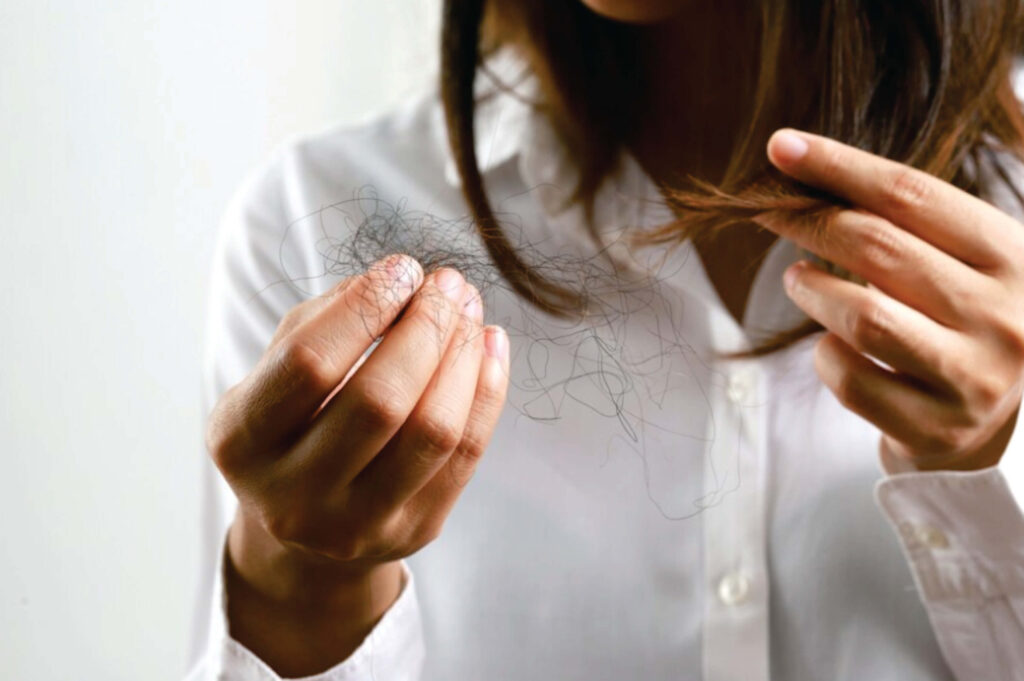
Testosterone and dihydrotestosterone (DHT) are essential androgens that influence various bodily functions. Testosterone is the primary male sex hormone, but it also plays a role in women’s health. It supports muscle mass, bone density, and libido. DHT is a derivative of testosterone, created when the enzyme 5-alpha reductase converts testosterone into a more potent form. Although present in smaller amounts, DHT binds more strongly to androgen receptors. This makes its effects on hair growth, skin condition, and male trait development more pronounced.
Both hormones are necessary for overall well-being. However, an imbalance can lead to issues such as acne, mood fluctuations, and hair thinning. Understanding their roles helps in managing hormonal health effectively.

The Relationship Between Testosterone and DHT
Testosterone serves as a precursor to DHT. When testosterone levels increase, DHT levels may also rise. However, their effects differ. Testosterone primarily influences muscle mass, energy, and mood stability. In contrast, DHT impacts hair follicles, skin oil production, and prostate health.
Excess DHT can lead to hair thinning and receding hairlines, especially in genetically predisposed individuals. On the other hand, low DHT levels can reduce libido, energy, and hair growth. Maintaining hormonal balance is crucial for overall health.
How Testosterone and DHT Levels Change Over Time
Testosterone and DHT in Men
Testosterone peaks during adolescence and early adulthood. It contributes to muscle growth, a deeper voice, and increased body hair. However, after 30, testosterone declines gradually. This affects muscle retention, mood, and energy levels.
DHT follows a similar trend. Younger men have higher DHT levels, which promote facial and body hair growth. As testosterone declines, DHT levels also decrease. This can lead to thinning hair, lower energy, and reduced muscle mass.
Maintaining a healthy lifestyle, including resistance training and a nutrient-rich diet, can help sustain optimal hormone levels.
Research from The Journal of Clinical Endocrinology & Metabolism highlights the decline of testosterone in aging males and its effects on metabolism and reproductive health.
Testosterone and DHT in Women
Women produce lower levels of testosterone and DHT, but these hormones still play a role in their health. They support bone strength, mood stability, and muscle tone.
During reproductive years, testosterone levels remain steady. However, after menopause, testosterone and DHT levels decrease. This decline can lead to fatigue, reduced muscle tone, and hair thinning. Some women experience hormonal imbalances that cause excess DHT, leading to facial hair growth and acne.
According to The Journal of Endocrinology, maintaining balanced androgens is essential for women’s long-term health.

Recognizing Signs of Hormonal Imbalance
An imbalance in testosterone and DHT may cause:
- Hair thinning or increased hair shedding.
- Loss of muscle mass and physical strength.
- Fatigue and low energy levels.
- Mood swings and irritability.
- Increased oil production and acne.
If these symptoms occur, consulting a healthcare provider can help assess hormonal health and determine necessary treatments.
How to Support Healthy Testosterone and DHT Levels
Optimizing Hormones Through Nutrition
A balanced diet plays a key role in hormone regulation. Nutrient-rich foods that support testosterone and DHT levels include:
- Healthy fats (avocados, olive oil, nuts).
- High-quality proteins (lean meats, eggs, fish).
- Zinc-rich foods (pumpkin seeds, oysters, beans).
- Cruciferous vegetables (broccoli, Brussels sprouts, kale).
Avoiding processed foods, excess sugar, and trans fats can further stabilize hormones.
Exercise and Lifestyle Adjustments
Strength training and resistance exercises can naturally stimulate testosterone production. Quality sleep is also essential, as most testosterone production occurs during deep sleep. Managing stress through relaxation techniques helps regulate cortisol, a hormone that can negatively impact testosterone levels.
Natural Supplements for Hormonal Balance
Some supplements may help regulate testosterone and DHT. Common choices include:
- Vitamin D: Essential for testosterone synthesis.
- Fenugreek: Linked to improved testosterone levels.
- Saw Palmetto: Used to manage DHT-related hair thinning.
Before taking supplements, consult a healthcare professional to ensure safety and effectiveness.
Final Thoughts on Testosterone and DHT
Testosterone and DHT are vital hormones that influence muscle strength, energy levels, reproductive health, and hair growth. As both men and women age, hormonal declines may lead to noticeable changes in physical and mental well-being. However, lifestyle choices, including a hormone-friendly diet, regular exercise, and stress management, can help maintain optimal levels.
By understanding the roles of testosterone and DHT, individuals can take proactive steps toward better hormonal health and overall well-being.
For further information on testosterone and DHT, visit The Journal of Clinical Endocrinology & Metabolism and The Journal of Endocrinology.
Natural Solutions for Hair Loss: Herbs, Oils, and DIY Masks
Seasonal Hair Care: Protecting Your Hair in Summer and Winter

I’m Victoria, the creator behind Eva My Balance. Passionate about beauty, wellness, sustainable living, and mindful self-care. My mission is to inspire you to live consciously and beautifully—inside and out.