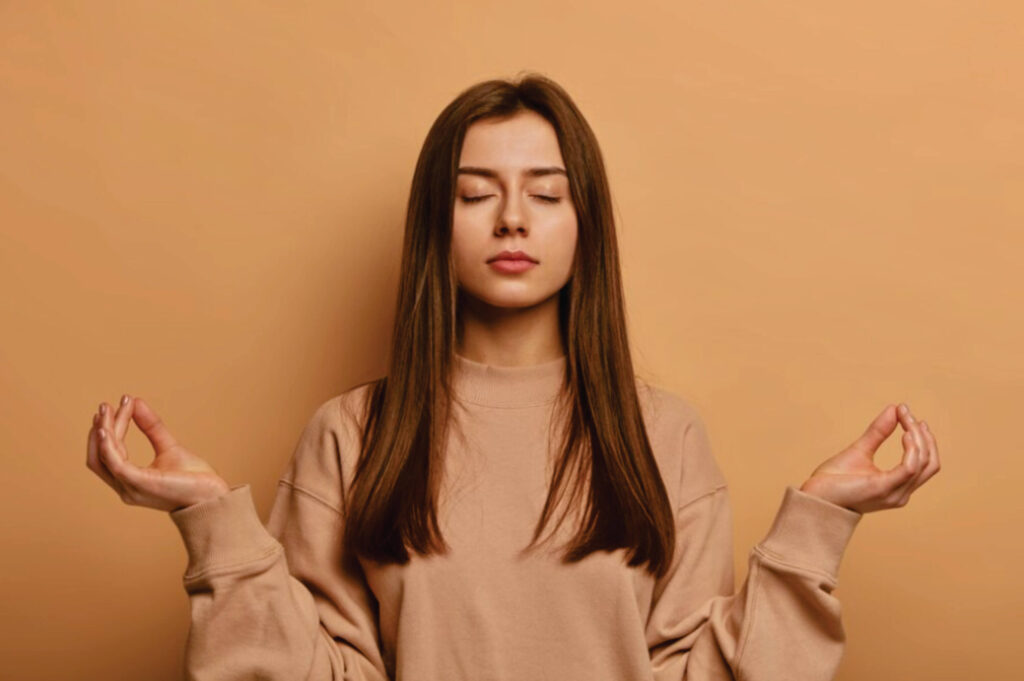
In today’s fast-paced world, stress and anxiety have become common problems. Many people experience overwhelming thoughts, tension, and difficulty relaxing. Fortunately, simple and effective breathing practices for anxiety and stress relief can help calm the mind and body. These techniques promote relaxation, regulate emotions, and improve overall well-being. According to Harvard Health, controlled breathing activates the body’s relaxation response, reducing stress and anxiety symptoms.
How Breathing Affects Stress and Anxiety
Breathing is closely connected to the nervous system. When we feel stressed, our breath becomes shallow and rapid, signaling the body to stay in a heightened state of alertness. However, controlled breathing can shift the body into a relaxed state.
Benefits of Breathing Techniques
- Reduces cortisol levels, the hormone responsible for stress (National Center for Biotechnology Information).
- Lowers heart rate and blood pressure.
- Enhances oxygen flow to the brain, improving mental clarity.
- Promotes relaxation and emotional balance.
- Helps manage panic attacks and moments of intense anxiety.
- Encourages mindfulness, allowing for better emotional regulation.
- Supports better digestion, as stress often disrupts gut health.
Breathing Practices for Anxiety and Stress Relief
There are many effective breathing techniques that can be practiced anywhere. These methods are designed to regulate emotions and activate the body’s relaxation response.
1. Diaphragmatic Breathing (Belly Breathing)
Diaphragmatic breathing encourages deep, slow breaths that help reduce stress and improve oxygen flow.
How to Practice
- Sit or lie down in a comfortable position.
- Place one hand on your chest and the other on your stomach.
- Inhale deeply through your nose, allowing your stomach to rise while keeping your chest still.
- Exhale slowly through your mouth, feeling your stomach lower.
- Repeat for 5–10 minutes.
Benefits
- Slows down rapid breathing.
- Reduces tension and stress.
- Enhances lung function.
- Improves focus and concentration.
A user on a wellness forum shared their experience: «I started practicing diaphragmatic breathing daily, and within a few weeks, I noticed a significant reduction in my anxiety levels. It has become my go-to relaxation technique.»
2. Box Breathing (Four-Square Breathing)
Box breathing is a structured technique that helps balance the nervous system. 
How to Practice
- Inhale through your nose for 4 seconds.
- Hold your breath for 4 seconds.
- Exhale slowly through your mouth for 4 seconds.
- Hold your breath again for 4 seconds.
- Repeat the cycle for several minutes.
Benefits
- Improves concentration and focus.
- Helps manage anxiety in high-stress situations.
- Encourages a sense of calm.
- Can be used before important events to reduce nervousness.
3. 4-7-8 Breathing Technique
The 4-7-8 technique is a simple but powerful method to relax the body and mind.
How to Practice
- Inhale deeply through your nose for 4 seconds.
- Hold your breath for 7 seconds.
- Exhale slowly through your mouth for 8 seconds.
- Repeat this cycle at least four times.
Benefits
- Quickly calms the nervous system.
- Helps with sleep and relaxation.
- Reduces anxiety symptoms.
- Enhances emotional resilience.
A clinical study from Mayo Clinic found that slow, controlled breathing significantly lowers stress hormone levels and improves emotional regulation.
4. Alternate Nostril Breathing (Nadi Shodhana)
This traditional yogic breathing technique balances the left and right sides of the brain, reducing stress and promoting clarity.
How to Practice
- Sit comfortably with a straight spine.
- Close your right nostril with your thumb and inhale through your left nostril.
- Close your left nostril with your ring finger and exhale through your right nostril.
- Inhale through the right nostril, then switch and exhale through the left nostril.
- Repeat for 5 minutes.
Benefits
- Enhances mental clarity and focus.
- Balances emotions and reduces stress.
- Promotes relaxation and mindfulness.
- Supports better sleep quality.
5. Resonant Breathing (Coherent Breathing)
Resonant breathing involves slow, rhythmic breathing to synchronize the heart and nervous system.
How to Practice
- Inhale for 5–6 seconds.
- Exhale for 5–6 seconds.
- Continue for several minutes, maintaining a steady rhythm.
Benefits
- Enhances emotional stability.
- Improves heart rate variability.
- Induces a deep sense of relaxation.
- Helps regulate blood pressure.
6. Lion’s Breath (Simhasana)
Lion’s breath is a powerful breathing technique that helps release built-up tension and frustration.
How to Practice
- Sit in a comfortable position.
- Take a deep breath in through your nose.
- Open your mouth wide and stick out your tongue.
- Exhale forcefully, making a “ha” sound.
- Repeat several times.
Benefits
- Releases stress and frustration.
- Energizes the body.
- Relaxes facial muscles.
- Encourages self-expression and confidence.
How to Incorporate Breathing Practices into Daily Life
- Morning Routine: Start your day with deep breathing exercises for mental clarity.
- Work Breaks: Practice a short breathing technique during stressful moments.
- Before Sleep: Use a calming method like 4-7-8 breathing to relax before bed.
- During Anxiety Episodes: Apply box breathing to regain control and reduce panic.
- Exercise Recovery: Use deep breathing after workouts to aid muscle recovery.
- Before Social Events: Reduce social anxiety by practicing controlled breathing beforehand.
Common Mistakes to Avoid
- Forcing the Breath: Breathing should be natural and comfortable, not strained.
- Skipping Practice: Regularity is key to experiencing long-term benefits.
- Holding Tension: Keep the body relaxed while practicing breathing techniques.
- Breathing Too Fast: Slow, controlled breaths are essential for calming the nervous system.
- Overthinking the Process: Focus on the rhythm rather than striving for perfection.
Practicing breathing practices for anxiety and stress relief can be a simple yet powerful way to calm the mind and improve well-being. According to Johns Hopkins Medicine, mindful breathing techniques have been shown to lower stress levels, enhance emotional regulation, and improve overall well-being. By incorporating these practices into daily life, you can experience lasting benefits for both mental and physical health. Whether managing anxiety, improving focus, or enhancing relaxation, controlled breathing is a natural and effective tool for achieving balance.

I’m Victoria, the creator behind Eva My Balance. Passionate about beauty, wellness, sustainable living, and mindful self-care. My mission is to inspire you to live consciously and beautifully—inside and out.