The beauty industry continues to evolve, yet certain ingredients prove long-term value. One such ingredient is bee venom in skincare, known for supporting collagen and softening lines. Often called nature’s Botox, it offers anti-aging, regenerating, and skin-revitalizing effects.
Unlike invasive procedures, bee venom stimulates natural repair rather than immobilizing facial muscles. This appeals to those seeking visible results without injections or harsh treatments. How it works and who benefits become clearer when the underlying science is examined.

What Is Bee Venom and How Does It Work?
Bee venom, also known as apitoxin, is a complex mixture of peptides, enzymes, amino acids, and bioactive compounds. When applied topically, it creates a mild warming or tingling sensation. This sensation signals the skin to activate protective and regenerative responses.
How Is Bee Venom Collected?
Modern extraction methods are designed to be ethical and non-lethal. Beekeepers use glass collection plates with gentle electrical stimulation. This encourages bees to release small amounts of venom without losing their stingers. The bees are not injured and return to their hives normally.
Ethical harvesting is essential not only for sustainability but also for ingredient quality. Responsibly collected venom retains its bioactive properties, making it more effective in cosmetic formulations.
The Science Behind Bee Venom’s Skin Benefits
Active Components and Their Effects
Bee venom contains several biologically active compounds that work together to improve skin condition:
- Melittin – Provides antimicrobial and anti-inflammatory effects, helping reduce redness and acne-related bacteria.
- Apamin – Supports elastin synthesis, improving skin flexibility and resilience.
- Phospholipase A2 – Stimulates collagen production and cellular renewal.
- Hyaluronidase – Enhances penetration of other active ingredients, increasing overall product effectiveness.
These components explain why bee venom in skincare is often used in formulas targeting aging, acne, and loss of firmness.
Scientific Evidence and Clinical Research
Clinical studies support the cosmetic benefits of bee venom. A controlled clinical trial published in Clinical Interventions in Aging demonstrated that a honeybee-venom serum significantly improved facial wrinkles after 12 weeks of regular use. The study reported measurable reductions in total wrinkle area, wrinkle count, and average wrinkle depth among participants (Han et al., 2015).
These findings are further supported by a comprehensive review published in Toxins, which summarizes both clinical and experimental evidence on the cosmetic applications of bee venom. The review highlights bee venom’s potential role in skin regeneration, wrinkle reduction, and collagen-related pathways, while also emphasizing the importance of controlled formulations and safety considerations (El-Wahed et al., 2021).
Unlike instant cosmetic fillers, the improvements associated with bee venom develop gradually. This pattern suggests genuine skin remodeling and structural support rather than temporary surface-level effects.
Bee Venom vs. Other Anti-Aging Ingredients
Compared to retinol or chemical exfoliants, bee venom works without aggressively accelerating skin cell turnover. This makes it suitable for people who want anti-aging benefits with a lower risk of peeling, sensitivity, or barrier disruption. Unlike acids or retinoids, bee venom does not rely on exfoliation to deliver visible results.
While peptides and growth factors mainly focus on cellular signaling, bee venom offers a more multi-functional approach. It combines gentle stimulation, antimicrobial protection, and improved microcirculation in a single ingredient. This makes it especially appealing for those seeking gradual, natural-looking improvements rather than rapid but potentially irritating transformations.
How Bee Venom Supports Collagen and Skin Renewal
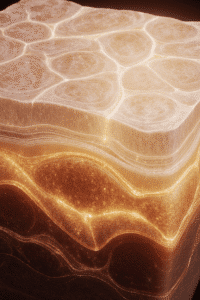
As collagen levels decline with age, skin gradually becomes thinner, less elastic, and more prone to fine lines. Bee venom activates fibroblast cells, encouraging the skin to increase natural collagen synthesis. Over time, this process helps improve skin density, firmness, and overall structural support.
By enhancing microcirculation, bee venom also improves oxygen and nutrient delivery to skin cells. This contributes to smoother texture, more even tone, and a healthier appearance. In addition, bee venom strengthens the skin barrier, helping retain moisture and protect against dehydration-related aging. Its anti-inflammatory properties further support recovery and help calm skin exposed to environmental stress or daily irritation.
Who Can Benefit from Bee Venom in Skincare?
Bee venom skincare can be beneficial for a wide range of skin types and concerns:
- Mature and aging skin – Bee venom helps improve firmness, elasticity, and wrinkle depth by stimulating natural collagen production and supporting skin renewal over time.
- Acne-prone skin – Thanks to its antibacterial and anti-inflammatory properties, bee venom may help reduce breakouts, calm redness, and support faster healing of blemishes.
- Dull or uneven skin tone – By boosting microcirculation, bee venom enhances oxygen delivery to skin cells, promoting a healthier glow and more even complexion.
- Sensitive skin – When formulated with soothing ingredients such as honey, aloe vera, or panthenol, bee venom products can be well tolerated and help strengthen the skin barrier.
How to Use Bee Venom in Your Skincare Routine
Best practices include:
- Performing a patch test before first use, especially if you have allergies or reactive skin.
- Applying products after cleansing and toning to improve absorption.
- Using sunscreen during the day, as skin stimulation may increase sun sensitivity.
- Pairing bee venom with hydrating ingredients like hyaluronic acid to maintain moisture balance.
- Using products consistently, as visible collagen-supporting results develop gradually over time.
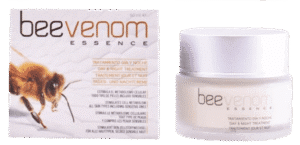
Product Example: Babaria Bee Venom Essence Cream (50 ml)
The formula helps hydrate, soften, and condition the skin while supporting a more even tone. Its antioxidant content contributes to protecting the skin from environmental stress, which can accelerate premature aging. Regular use may result in smoother, more radiant-looking skin with improved comfort.
This cream is suitable for various skin types, including mature, oily, sensitive, and acne-prone skin. It is free from parabens, mineral oils, and animal testing, making it a thoughtful option for those seeking effective yet ethically conscious skincare. When used consistently as part of a daily routine, it complements the gradual, skin-supporting benefits associated with bee venom in skincare.
Safety, Allergies, and Contraindications
People with bee, wasp, or pollen allergies should use bee venom skincare cautiously. Use should be avoided unless approved by a qualified dermatologist or healthcare professional. Cosmetic formulas contain diluted bee venom, yet allergic reactions can still occur.
A mild tingling or warming sensation after application is normal and usually fades quickly. Persistent burning, itching, swelling, or redness may signal irritation or an allergic response. If this happens, stop use immediately and rinse the skin thoroughly with water.
Patch testing is essential before incorporating bee venom products into a regular routine. Apply a small amount to the inner forearm or behind the ear and observe the area for 24 hours. Bee venom skincare is not recommended for use on broken skin, active eczema, or compromised skin barriers. Pregnant or breastfeeding individuals should also consult a healthcare professional before use, as research in these populations remains limited.
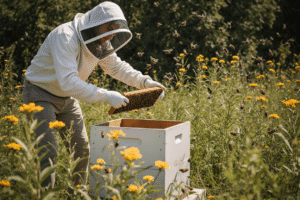
Sustainability and Ethical Considerations
Ethical sourcing is a critical factor when choosing bee venom skincare products. Responsible brands prioritize non-lethal extraction methods that allow bees to release venom without losing their stingers or being harmed. These practices help maintain healthy colonies and reduce stress on bee populations.
Beyond harvesting methods, ethical companies often collaborate with experienced beekeepers who follow sustainable apiculture practices. This includes protecting natural habitats, minimizing chemical exposure, and supporting biodiversity. Many brands also reinvest a portion of their profits into bee conservation initiatives, research, or environmental education programs.
Is Bee Venom Skincare Worth Trying?
Backed by research and apitherapy, bee venom in skincare offers benefits for firmness and hydration. When ethically sourced and properly formulated, it is more than a passing trend. These products can support youthful, resilient skin as part of a balanced skincare routine.
Snail Mucin in Skincare: Unlocking Its Full Potential for Healthy, Radiant Skin

I’m Victoria, the creator behind Eva My Balance. Passionate about beauty, wellness, sustainable living, and mindful self-care. My mission is to inspire you to live consciously and beautifully—inside and out.