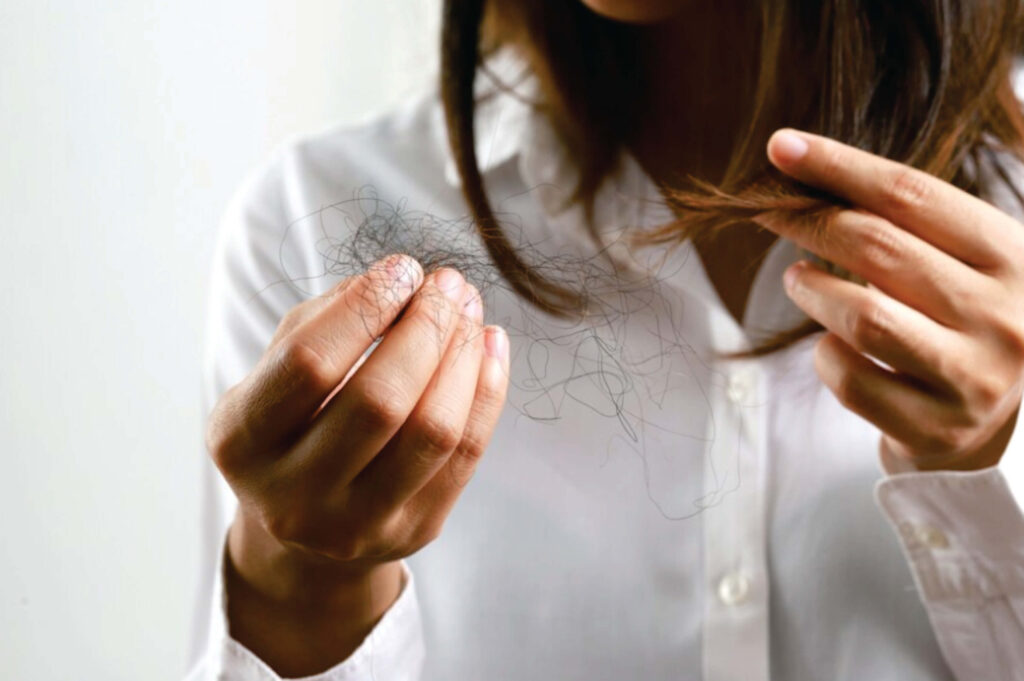
Ayurveda, an ancient holistic healing system, provides a natural way to maintain strong and healthy hair. It believes that hair health is directly influenced by the three doshas—Vata, Pitta, and Kapha—which determine hair texture, growth patterns, and overall vitality. Ayurvedic hair care: identify your hair type and find the perfect ritual is key to creating a tailored routine that enhances hair resilience and balance. By recognizing your dosha, you can select beneficial oils, herbs, and daily practices that promote long-lasting hair health.

Understanding the Three Doshas in Ayurvedic Hair Care
Each individual has a combination of Vata, Pitta, and Kapha in their constitution, but one or two doshas are usually dominant. Knowing your primary dosha allows you to adopt an effective hair care regimen.
Vata Hair Type: Influenced by Air and Space Elements
Hair of this type tends to be dry and fragile, often lacking moisture due to the airy nature of this dosha.
Vata Hair Characteristics:
- Thin, fine, or rough texture
- Prone to split ends and breakage
- Lacks natural hydration, leading to dullness
- Can become frizzy and unmanageable in dry or windy conditions
Common Hair Issues:
- Increased hair fall due to dryness
- Frizz-prone strands requiring frequent nourishment
- A flaky or irritated scalp
Pitta Hair Type: Influenced by Fire and Water Elements
Hair of this type is often soft and smooth but requires cooling treatments to maintain scalp balance.
Pitta Hair Characteristics:
- Medium thickness with a soft, silky feel
- Naturally straight or wavy
- Prone to premature graying and thinning
- Tends to become greasy quickly
Common Hair Issues:
- Heat-related scalp irritation or inflammation
- Overproduction of oil, leading to limp, greasy hair
- Sensitivity to harsh hair care products

Kapha Hair Type: Influenced by Earth and Water Elements
Hair of this type is typically thick and voluminous but can suffer from excess oil production. 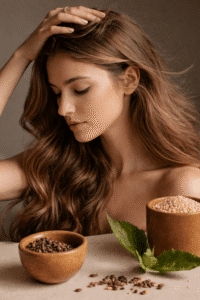
Kapha Hair Characteristics:
- Thick, strong strands with a naturally glossy finish
- Slow hair growth but highly resistant to damage
- Tends to accumulate buildup due to excessive oil
- Can feel heavy and require frequent washing
Common Hair Issues:
- Oily scalp leading to clogged hair follicles
- Lack of volume due to heaviness
- Greater susceptibility to dandruff and scalp infections
How to Identify Your Ayurvedic Hair Type
To determine your dosha, observe how your hair responds to seasonal changes, hair products, and daily care routines:
- Vata individuals notice increased dryness and frizz, particularly in colder months.
- Pitta individuals struggle with excess scalp oiliness and heat-related irritation.
- Kapha individuals experience heavy, oily hair with a tendency for buildup and dullness.
Best Hair Care Ritual for Each Hair Type
Once you identify your hair type, choosing Ayurvedic hair treatments and practices becomes effortless.
Vata Hair Type Ritual
Ideal Ayurvedic Ingredients:
- Sesame oil – Provides deep moisture and warmth
- Almond oil – Strengthens and softens hair strands
- Aloe vera – Soothes dry scalp and locks in hydration
- Fenugreek seeds – Promote hair growth and reduce breakage
Hair Care Routine:
- Oil Massage: Warm sesame or almond oil and massage into the scalp for at least 20 minutes.
- Cleansing: Use a mild herbal shampoo with hibiscus or amla to cleanse gently.
- Conditioning: Apply a deep conditioning mask containing yogurt and honey weekly.
- Hair Mask: Use an avocado and banana hair mask once a week for added hydration and shine.

Pitta Hair Type Ritual
Ideal Ayurvedic Ingredients:
- Coconut oil – Hydrates and cools the scalp
- Brahmi – Enhances hair strength and thickness
- Turmeric – Reduces inflammation and prevents irritation
- Rosewater – Helps control oil and refresh the scalp
Hair Care Routine:
- Oil Massage: Apply coconut or Brahmi oil to the scalp to calm irritation and strengthen roots.
- Cleansing: Wash hair with a mild neem-based shampoo to regulate oil production.
- Conditioning: Use an aloe vera and rosewater-infused conditioner for lightweight hydration.
- Hair Mask: Apply a cooling yogurt and turmeric mask weekly to soothe the scalp.
Kapha Hair Type Ritual
Ideal Ayurvedic Ingredients:
- Mustard oil – Boosts scalp circulation and removes excess oil
- Tea tree oil – Helps prevent dandruff and scalp infections
- Lemon juice – Controls oil and promotes a healthy shine
- Shikakai powder – Acts as a natural cleanser to purify the scalp
Hair Care Routine:
- Oil Massage: Use mustard oil with a few drops of tea tree oil for scalp stimulation.
- Cleansing: Wash hair frequently with a lemon and shikakai-based shampoo.
- Conditioning: Apply a lightweight herbal conditioner to maintain balance.
- Hair Mask: Use a clay and aloe mask weekly to detoxify the scalp and reduce excess oil.
Ayurvedic Lifestyle Tips for Hair Health
- Drink Plenty of Water: Hydration supports hair elasticity and scalp health.
- Eat a Dosha-Balanced Diet: Consume fresh fruits, nuts, and nutrient-rich foods that align with your dosha.
- Practice Regular Scalp Massage: Weekly oil massages promote circulation and boost hair growth.
- Manage Stress: Meditation and yoga help regulate dosha imbalances that contribute to hair fall.
Scientific Backing and Personal Stories
According to Healthline, Ayurvedic ingredients like amla, bhringraj, and neem have been scientifically proven to promote hair growth and scalp health. A study published in the Journal of Ayurveda and Integrative Medicine found that Ayurvedic oils significantly reduce hair fall and improve scalp condition.
On a forum dedicated to Ayurvedic hair care, a user shared, “Switching to natural oils and Ayurvedic shampoos transformed my hair. My scalp used to be itchy and flaky, but with neem oil and regular massages, I noticed a huge improvement in just a month!”
Another user noted, “I have Pitta-type hair and struggled with premature graying. After using Brahmi oil and turmeric masks for six months, my hair texture improved, and my grays became less noticeable.”
Conclusion
Ayurvedic hair care provides a customized and natural approach to maintaining hair strength and scalp balance. Understanding Ayurvedic hair care: identify your hair type and find the perfect ritual ensures that you select the best ingredients and routines for your hair’s unique needs. By integrating Ayurvedic principles into your hair care routine, you can achieve glossy, healthy hair that reflects overall wellness.

I’m Victoria, the creator behind Eva My Balance. Passionate about beauty, wellness, sustainable living, and mindful self-care. My mission is to inspire you to live consciously and beautifully—inside and out.